

Is Chewing Gum Effective for Weight Loss?
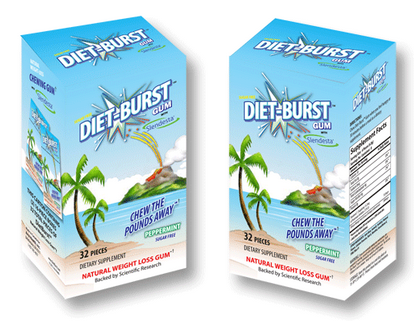
Did you know that chewing gum has been touted as an effective weight loss tool? It’s true! Many people believe that chewing gum can reduce hunger, cravings, and calorie intake. Some studies even suggest that it helps burn a few extra calories. But before you start grabbing packs of gum, it’s important to know the whole story. While different types of gum, such as sugar-free, nicotine-containing, and caffeine-containing gum, have varying effects on weight loss, the overall impact is minimal. Sugar-free gum, despite being a popular choice, is unlikely to provide any extra weight loss benefits. Nicotine gum should generally be avoided for weight loss purposes, while caffeine-containing gum may have slight benefits when used sparingly. Additionally, contrary to popular belief, chewing gum has not been proven to shape the face or tone muscles. To achieve significant weight loss results, it’s important to make other dietary and lifestyle changes alongside chewing gum.

Overview of Chewing Gum for Weight Loss
Chewing gum as a weight loss tool
Chewing gum is often believed to be a useful tool for weight loss. Many individuals turn to gum as a way to curb cravings, reduce hunger, and potentially decrease calorie intake. However, it is essential to understand the actual impact that chewing gum has on weight loss. While gum may provide certain benefits, it is not a miracle solution for shedding pounds.
Effects on hunger, cravings, and calorie intake
Some studies suggest that chewing gum can have positive effects on hunger, cravings, and calorie intake. Chewing gum has been found to reduce subjective feelings of hunger, making it a potentially helpful tool for individuals aiming to control their appetite. Additionally, chewing gum has been shown to decrease cravings for sweet and savory foods, which can contribute to a reduced calorie intake. However, it is important to note that the effects of gum on hunger and cravings may vary among individuals.
Minimal impact on calorie burn
Although chewing gum may help burn a few extra calories, the overall impact is minimal. While it is true that the act of chewing requires energy expenditure, the amount of calories burned through gum chewing is relatively small. Therefore, relying solely on gum as a means to burn calories is not a realistic or effective strategy for weight loss. It is crucial to combine gum chewing with other lifestyle changes, such as regular exercise and a balanced diet, to achieve meaningful weight loss results.
Different types of gum and their effects on weight loss
The type of chewing gum consumed can also play a role in its effects on weight loss. Sugar-free gum is often recommended for those aiming to shed pounds, as it typically contains fewer calories than regular gum. However, the benefits of sugar-free gum in terms of weight loss are limited. Nicotine-containing gum, on the other hand, is a controversial option. While it may have appetite-suppressing effects, the potential risks and addictive nature of nicotine make it inappropriate for weight loss purposes. Caffeine-containing gum may provide slight benefits, but it should be used sparingly due to the potential for excessive caffeine consumption.
Myths about chewing gum and weight loss
There are several myths surrounding chewing gum and its supposed impact on weight loss. One of the most common misconceptions is that gum can shape the face or tone muscles. However, there is no scientific evidence to support this claim. Chewing gum primarily engages the muscles of the jaw and has no significant impact on other facial muscles or overall muscle tone. It is crucial to debunk these myths and focus on the actual benefits and limitations of gum as a weight loss tool.
Chewing Gum and Hunger Reduction
Claims of chewing gum reducing hunger
One of the primary claims associated with chewing gum and weight loss is its ability to reduce hunger. Many individuals believe that chewing gum can help suppress their appetite and prevent overeating. While this notion is widely accepted, it is important to evaluate the scientific evidence supporting these claims.
Studies supporting the hunger-reducing effects
Several studies have been conducted to evaluate the impact of chewing gum on hunger. These studies have shown mixed results, with some suggesting that gum chewing can indeed reduce subjective feelings of hunger. For example, a study published in the journal “Appetite” found that individuals who chewed gum reported lower levels of hunger compared to those who did not. However, other studies have failed to observe significant hunger-reducing effects of gum chewing.
Mechanisms behind gum’s impact on hunger
The exact mechanisms behind gum’s impact on hunger are not yet fully understood. However, researchers have proposed several theories to explain this phenomenon. One theory suggests that the act of chewing gum stimulates the release of hormones, such as peptide YY, which are known to reduce appetite. Another theory proposes that gum chewing simply distracts individuals from their feelings of hunger, leading to a reduced desire to eat. Further research is needed to elucidate the underlying mechanisms and determine the consistency of gum’s hunger-reducing effects.
Limitations and inconsistencies in research findings
It is important to acknowledge the limitations and inconsistencies in the research findings concerning gum’s impact on hunger. While some studies have indicated a reduction in hunger with gum chewing, others have found no significant effects. Additionally, the duration of gum chewing and the types of gum used vary greatly among studies, making it challenging to draw definitive conclusions. Furthermore, individual responses to gum chewing may differ, with some individuals experiencing hunger reduction while others do not. Therefore, it is crucial to consider these limitations when evaluating the hunger-reducing potential of chewing gum.
Chewing Gum and Cravings Management
Claims of chewing gum reducing cravings
Another claim often associated with chewing gum and weight loss is its ability to manage cravings for unhealthy foods. Many individuals turn to gum as a means to curb their cravings and potentially reduce calorie intake. However, it is essential to examine the scientific research on this topic to determine the validity of these claims.
Research on gum’s effects on cravings
Research investigating gum’s effects on cravings has yielded mixed results. While some studies suggest that gum chewing can decrease cravings for sweet and savory foods, others have failed to observe significant effects. For example, a study published in the journal “Physiology & Behavior” found that individuals who chewed gum experienced a reduced desire for sweet foods. However, the same study did not observe a significant impact on cravings for savory foods.
Possible explanations for gum’s impact on cravings
The mechanisms underlying gum’s impact on cravings are not yet fully understood. One possible explanation is that gum chewing provides a sensory experience that distracts individuals from their cravings. By focusing on the act of chewing, individuals may be less likely to indulge in unhealthy foods. Additionally, the minty or fruity flavors often associated with chewing gum can provide a pleasant taste sensation, further mitigating cravings. However, more research is needed to confirm these theories and determine the consistency of gum’s effects on cravings.
Potential drawbacks and limitations
While chewing gum may offer some benefits in managing cravings, there are potential drawbacks and limitations to consider. First, gum chewing may inadvertently increase cravings for certain individuals. The act of chewing can stimulate the production of gastric acid and digestive enzymes, potentially triggering hunger and cravings. Additionally, excessive gum consumption, especially if the gum contains sugar, can lead to increased calorie intake. Finally, the effects of gum on cravings may vary among individuals, with some individuals experiencing greater benefits than others. Therefore, it is important to be mindful of these limitations when using gum as a cravings management tool.
Chewing Gum and Calorie Intake
Potential role of chewing gum in reducing calorie intake
One of the reasons why chewing gum is believed to be beneficial for weight loss is its potential role in reducing calorie intake. By substituting higher-calorie foods with gum, individuals may be able to decrease their overall calorie consumption. However, it is crucial to evaluate the scientific evidence surrounding this claim.
Studies exploring gum’s impact on calorie consumption
Several studies have investigated the impact of gum chewing on calorie intake. While some studies have shown a reduction in calorie consumption with gum chewing, others have failed to observe significant effects. For example, a study published in the “Journal of the Academy of Nutrition and Dietetics” found that individuals who chewed gum consumed fewer calories from snacks compared to those who did not. However, another study published in “Appetite” did not observe a significant difference in total calorie intake between gum chewers and non-chewers.
Factors influencing the effectiveness of gum in reducing calories
The effectiveness of chewing gum in reducing calorie intake may be influenced by various factors. First, the duration and frequency of gum chewing may play a role. Some studies have suggested that longer and more frequent gum chewing sessions are associated with greater reductions in calorie intake. Additionally, the type of gum consumed can also impact its effects on calorie consumption. Sugar-free gum is often recommended as a low-calorie alternative, while gum containing sugar can contribute to increased calorie intake. Lastly, individual factors, such as eating habits, personal preferences, and adherence to gum chewing, may also influence the effectiveness of gum in reducing calories.
Considerations for long-term effects on calorie intake
While chewing gum may provide short-term benefits in reducing calorie intake, it is essential to consider its long-term implications. Relying solely on gum to control calorie consumption may not be sustainable or healthy in the long run. Instead, incorporating a balanced diet, portion control, and mindful eating practices into a comprehensive weight loss plan is essential for optimal results. Chewing gum can be a helpful tool in conjunction with these dietary changes but should not be the sole focus for long-term calorie management.
Different Types of Chewing Gum
Sugar-free gum and weight loss
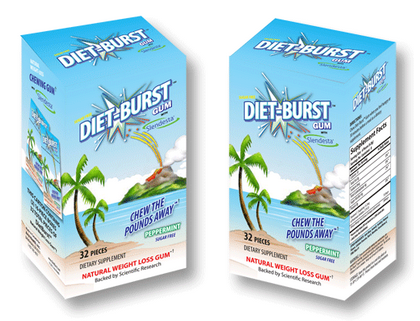
Sugar-free gum is often recommended for weight loss purposes, as it typically contains fewer calories than regular gum. Sugar-free gum can be an attractive option for individuals who want to enjoy the oral fixation and flavor of gum without adding excessive calories to their diet. However, the benefits of sugar-free gum in terms of weight loss are limited.
Limited benefits of sugar-free gum
While sugar-free gum may have some advantages when it comes to weight loss, its impact is minimal. The low-calorie nature of sugar-free gum can contribute to a slight reduction in calorie intake, especially if it is used as a substitute for high-calorie snacks or desserts. However, the effect is relatively small, and relying solely on sugar-free gum to achieve significant weight loss is unrealistic. It is important to remember that overall dietary and lifestyle changes are crucial for sustainable weight management.
Nicotine-containing gum and its potential drawbacks
Nicotine-containing gum is sometimes considered for weight loss purposes due to its appetite-suppressing effects. However, the potential risks and addictive nature of nicotine make it an inappropriate choice for weight loss. Nicotine gum is primarily intended for smoking cessation and should not be used as a means to manage appetite or reduce calorie intake. It is important to consult with a healthcare professional before considering nicotine gum or any other potentially addictive substances for weight loss purposes.
Why nicotine gum should be avoided for weight loss
While nicotine may have appetite-suppressing effects, using nicotine gum for weight loss is not advisable. Nicotine is a highly addictive substance and can lead to dependency, potentially causing more harm than benefit. Additionally, nicotine gum is not intended for long-term use and should only be used under the guidance of a healthcare professional for smoking cessation. Therefore, it is crucial to avoid nicotine gum as a weight loss tool and explore safer alternatives.
Caffeine-containing gum and its slight benefits
Caffeine-containing gum is another type of gum that has been associated with weight loss. Caffeine is a stimulant that can increase energy expenditure and potentially suppress appetite. Some studies have shown that caffeine gum may have slight benefits in terms of weight loss, offering a small boost to metabolism and potential appetite control. However, caffeinated gum should be used cautiously, as excessive caffeine consumption can lead to adverse effects such as sleep disturbances, jitteriness, and increased heart rate.
Recommended cautious use of caffeine gum
If considering caffeine gum for weight loss, it is important to use it sparingly and within recommended guidelines. Limiting caffeine gum consumption to a moderate amount and avoiding additional sources of caffeine, such as coffee or energy drinks, can help prevent excessive caffeine intake. Additionally, individuals sensitive to caffeine or those with certain health conditions should exercise caution when using caffeine gum. Overall, it is crucial to prioritize health and well-being when incorporating any type of gum into a weight loss plan.
Myths and Misconceptions about Chewing Gum
Claims of gum shaping the face and toning muscles
One common myth surrounding chewing gum is that it can shape the face and tone muscles. Some individuals believe that consistent gum chewing can lead to a more defined jawline or improved muscle tone in the face. However, there is no scientific evidence to support these claims.
Lack of scientific evidence for gum’s impact on facial shape
While chewing gum does engage the muscles of the jaw, it does not significantly impact other facial muscles or shape. Muscles in the face and jaw are unique and respond to specific exercises and movements to promote tone and definition. Chewing gum primarily exercises the jaw muscles and has no direct influence on facial shape or overall muscle tone. Therefore, it is important to recognize this myth as a misconception and focus on evidence-based strategies for facial shape and muscle toning.
Debunking misconceptions about gum and muscle toning
Chewing gum has its own set of benefits, such as hunger reduction and cravings management, but muscle toning is not one of them. Achieving facial muscle toning requires targeted exercises and movements specifically designed for those muscle groups. Simple acts like chewing gum may engage the jaw muscles, but they do not provide the necessary stimuli for overall muscle toning or shaping. It is essential to understand and debunk these misconceptions to avoid placing unfounded expectations on chewing gum as a weight loss tool.

Overall Impact of Chewing Gum on Weight Loss
Limited effects of chewing gum on weight loss
In summary, the effects of chewing gum on weight loss are relatively limited. While gum may offer some benefits, such as hunger reduction and cravings management, it should not be relied upon as a primary weight loss tool. The impact of gum on caloric burn is minimal, and the different types of gum (such as sugar-free, nicotine-containing, and caffeine-containing) have varying effects, with limited benefits for weight loss.
Importance of incorporating other dietary and lifestyle changes
To achieve significant and sustainable weight loss, it is crucial to incorporate other dietary and lifestyle changes alongside gum chewing. A balanced diet, regular physical activity, portion control, and mindful eating practices are all key components of a comprehensive weight loss plan. These changes address the underlying factors contributing to weight gain and promote overall health and well-being.
Balancing realistic expectations with gum’s potential benefits
While chewing gum may provide some benefits in terms of hunger reduction and cravings management, it is important to maintain realistic expectations. Gum should be viewed as a supplementary tool rather than a standalone solution for weight loss. By combining gum chewing with other healthy habits, individuals can maximize the potential benefits and create a more sustainable approach to weight management.
Considering gum as a supplementary, not primary, weight loss tool
In conclusion, chewing gum can be a helpful addition to a weight loss plan, but it should not be considered a primary weight loss tool. It may provide benefits in terms of hunger reduction, cravings management, and slight calorie burn, but its impact on weight loss is relatively limited. To achieve significant and sustainable weight loss, it is essential to adopt a holistic approach that includes a balanced diet, regular exercise, and other evidence-based strategies. Chewing gum can complement these lifestyle changes and support overall weight management goals.
Is chewing gum effective for weight loss? Learn the truth about the impact of gum on hunger, cravings, and calorie intake. Discover the different types of gum and their effects on weight loss. Debunk myths and explore the limitations of chewing gum as a weight loss tool.
