

The Role of Vitamin B12 in DNA Synthesis and Brain Function
Are you looking for a vitamin that can help with both DNA synthesis and brain function? Look no further than vitamin B12! This water-soluble vitamin is essential for various aspects of our health, including the production of DNA and the proper functioning of our brains. Recent research has even suggested that a deficiency in vitamin B12 might be linked to increased body fat accumulation and obesity. On the other hand, maintaining adequate blood levels of vitamin B12 could potentially lower the risk of weight gain and obesity. If you find yourself feeling fatigued, experiencing poor balance, or suffering from memory loss, you might be lacking in this crucial vitamin. Fortunately, vitamin B12 is naturally found in animal products and is also available in supplement form. By increasing your intake of vitamin B12, you may be able to prevent deficiencies and boost your energy levels. While the direct impact of vitamin B12 on weight loss is still uncertain and requires further investigation, it’s clear that this vitamin plays an important role in our overall health and well-being.
The Basics of Vitamin B12
Vitamin B12 is a water-soluble vitamin that is essential for maintaining good health. It plays a crucial role in various bodily functions, including DNA synthesis and brain function. In this article, we will explore the importance of vitamin B12 and its effects on the body.
What is Vitamin B12?
Vitamin B12, also known as cobalamin, is a nutrient that is required in small amounts for the proper functioning of the body. It is not naturally produced by the body, which means you need to obtain it from external sources such as food or supplements.
Sources of Vitamin B12
Vitamin B12 is primarily found in animal-based products, such as meat, fish, eggs, and dairy products. These sources are rich in cobalamin and provide an adequate supply of vitamin B12 for most individuals.
Functions of Vitamin B12 in the Body
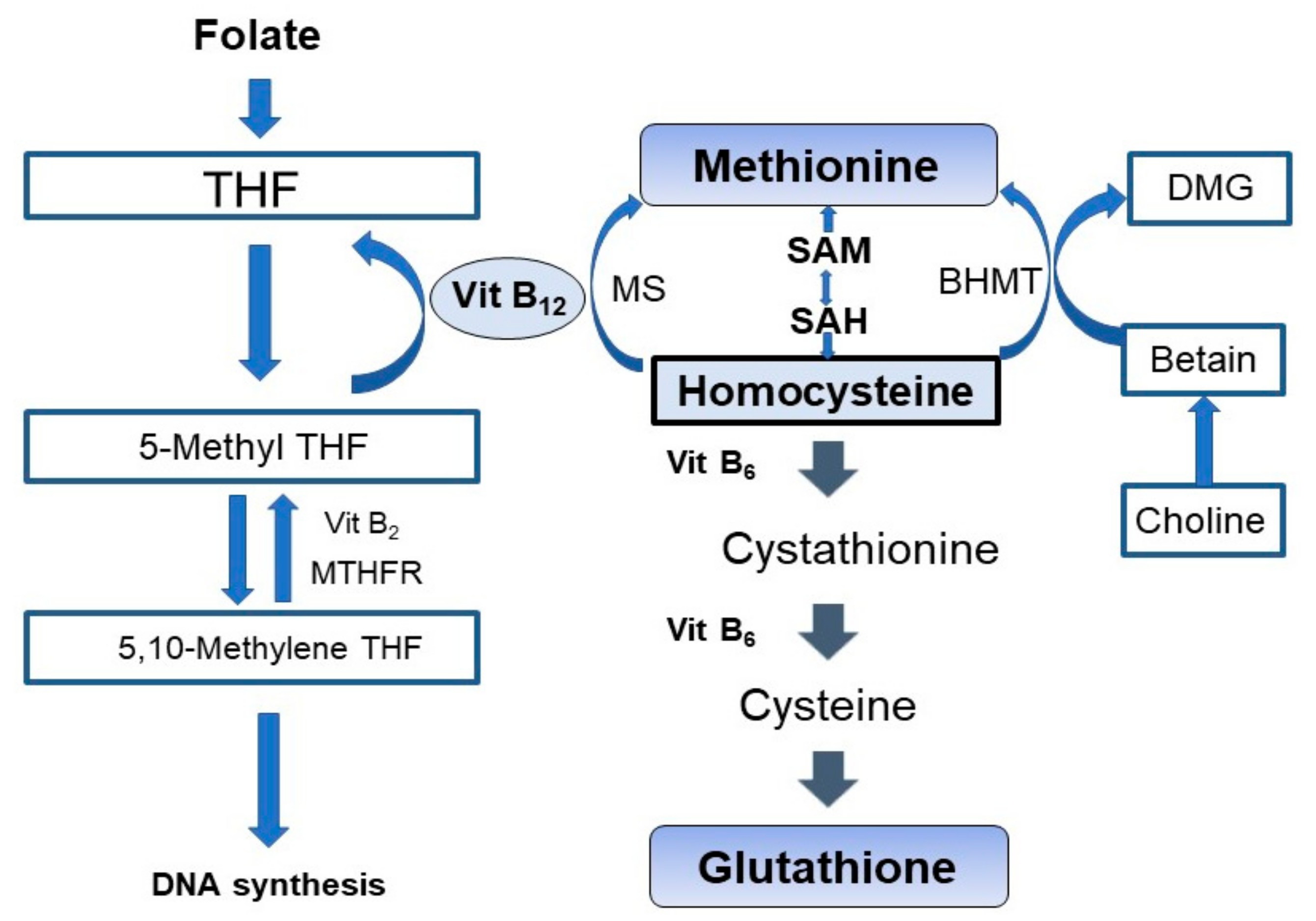
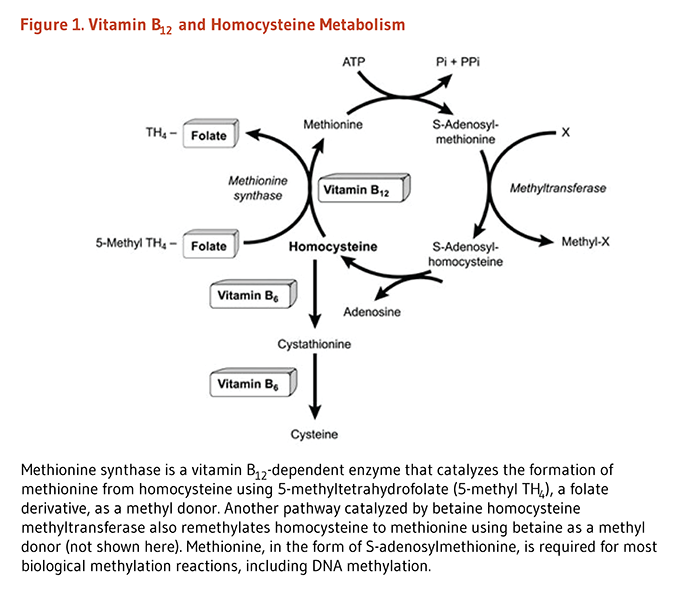
Vitamin B12 is involved in several important processes within the body. One of its main functions is to aid in the synthesis of DNA, which is the genetic material of cells. This process is vital for the growth, repair, and maintenance of all body tissues.
Additionally, vitamin B12 plays a crucial role in maintaining brain function and mental health. It is involved in the production of neurotransmitters, which are chemicals that transmit signals between nerve cells. A deficiency in vitamin B12 can lead to neurological symptoms and cognitive impairment.
Vitamin B12 and DNA Synthesis
The Role of Vitamin B12 in DNA Synthesis
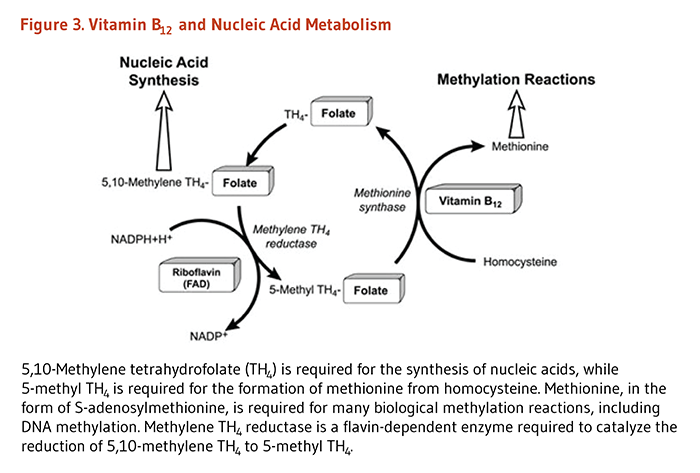
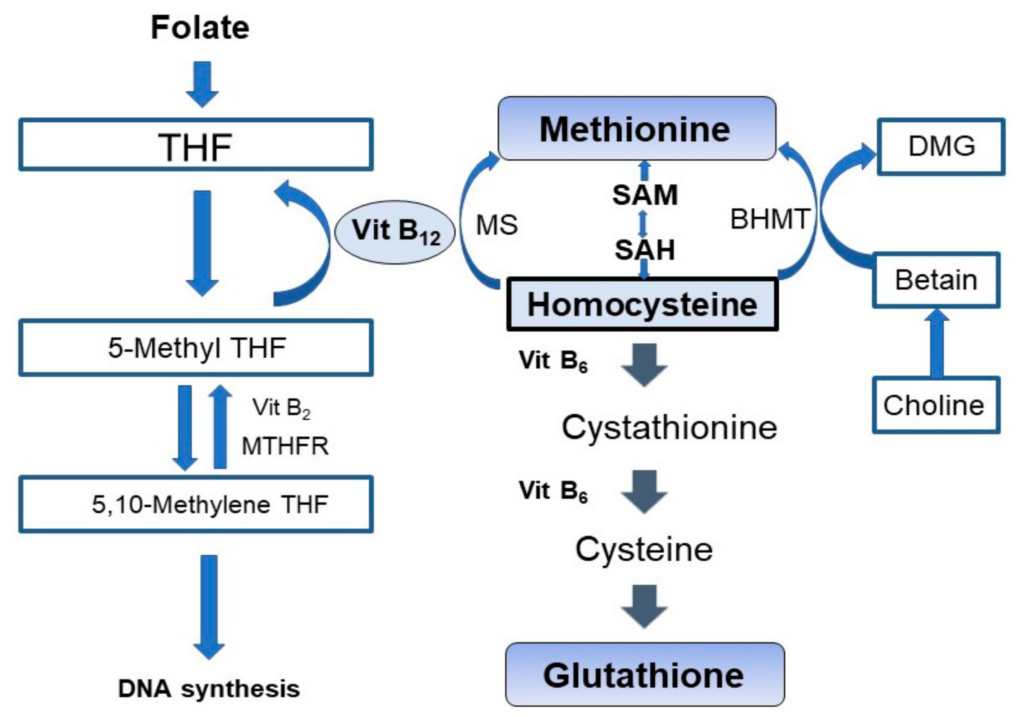
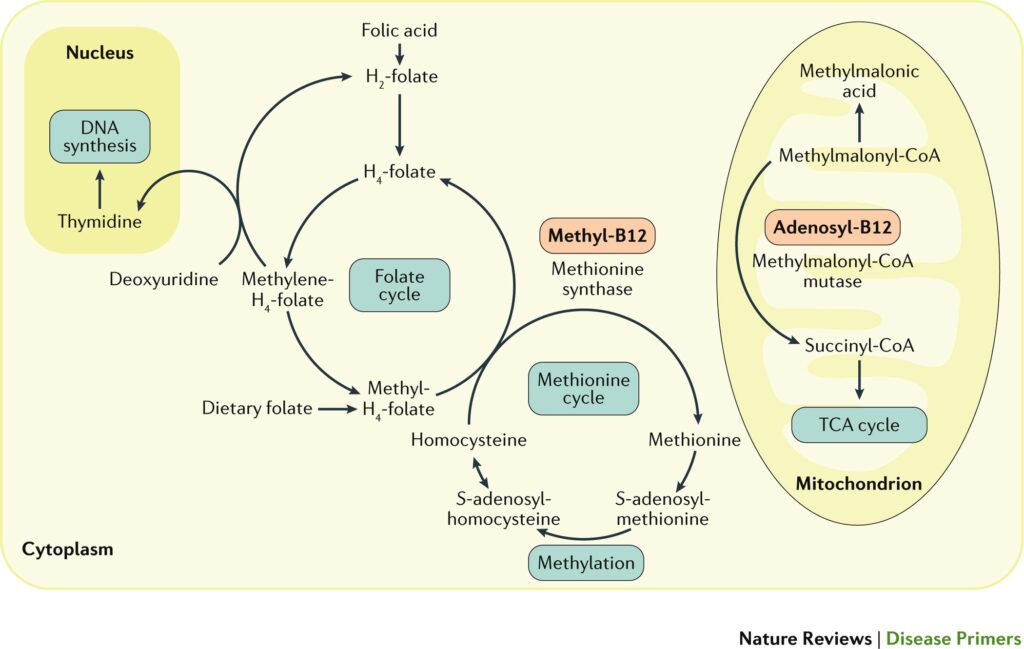
DNA synthesis is a complex process that involves the creation of new DNA strands from existing ones. Vitamin B12 plays a critical role in this process by acting as a cofactor for enzymes involved in DNA replication. Without sufficient levels of vitamin B12, DNA synthesis cannot occur efficiently.
Effects of Vitamin B12 Deficiency on DNA Synthesis
A deficiency in vitamin B12 can have significant implications for DNA synthesis. Without enough vitamin B12, DNA replication may be impaired, leading to abnormal cell growth and development. This can result in a variety of health problems, including anemia and neurological disorders.
The Relationship Between Vitamin B12 and Obesity
Research suggests that there may be a link between vitamin B12 deficiency and obesity. Some studies have shown that individuals with low levels of vitamin B12 are more likely to accumulate body fat and experience weight gain. However, the exact mechanisms behind this relationship are still unclear and require further investigation.
Vitamin B12 and Brain Function
The Connection Between Vitamin B12 and Brain Health
Vitamin B12 is essential for maintaining optimal brain function and mental health. It plays a crucial role in the production of neurotransmitters, which are chemicals that transmit signals between nerve cells. Adequate levels of vitamin B12 are necessary for the proper functioning of the nervous system and cognitive processes.
Effects of Vitamin B12 Deficiency on Brain Function
A deficiency in vitamin B12 can have detrimental effects on brain function. It can lead to neurological symptoms such as memory loss, cognitive impairment, and even mood disorders. Individuals with low levels of vitamin B12 may experience difficulties with concentration, attention, and overall cognitive performance.
Potential Benefits of Vitamin B12 for Brain Function
Increasing your intake of vitamin B12 may have potential benefits for brain function. Several studies suggest that supplementation with vitamin B12 can improve cognitive performance, particularly in older adults. However, more research is needed to fully understand the effects of vitamin B12 on brain health.
Vitamin B12 Deficiency Symptoms
Fatigue and Lack of Energy
One of the most common symptoms of vitamin B12 deficiency is fatigue and a lack of energy. Vitamin B12 plays a vital role in the production of red blood cells, which carry oxygen throughout the body. When there is a deficiency in vitamin B12, the body may not produce enough red blood cells, leading to feelings of fatigue and weakness.
Poor Balance and Coordination
Vitamin B12 is also involved in maintaining a healthy nervous system. A deficiency in vitamin B12 can affect the function of nerves that control balance and coordination. This can result in difficulties with walking, unsteadiness, and an increased risk of falls.
Memory Loss and Cognitive Impairment
As mentioned earlier, vitamin B12 deficiency can lead to memory loss and cognitive impairment. The brain relies on an adequate supply of vitamin B12 to function properly. Without enough vitamin B12, cognitive processes may be affected, resulting in difficulties with memory, attention, and overall cognitive function.
Sources and Supplementation of Vitamin B12
Animal-Based Sources of Vitamin B12
Animal-based products are the richest sources of vitamin B12. Meat, fish, eggs, and dairy products contain high levels of cobalamin and are excellent choices for individuals looking to increase their vitamin B12 intake. Including these foods in your diet can help ensure you meet your daily requirements.
Vegan and Vegetarian Sources of Vitamin B12
For individuals following a vegan or vegetarian diet, obtaining vitamin B12 from natural sources can be challenging. However, there are fortified foods and plant-based alternatives available that can provide an adequate amount of vitamin B12. These include plant-based milk, breakfast cereals, and nutritional yeast.
Supplementation with Vitamin B12
If you are unable to meet your vitamin B12 requirements through diet alone, supplementation may be necessary. Vitamin B12 supplements are available in various forms, including tablets, capsules, and sublingual sprays. It is important to consult with a healthcare professional to determine the appropriate dosage and form of supplementation for your individual needs.
Vitamin B12 and Weight Gain
Research Findings on Vitamin B12 and Weight Gain
Several studies have explored the link between vitamin B12 and weight gain. Some research suggests that individuals with low levels of vitamin B12 may be more prone to accumulating body fat and experiencing weight gain. However, more research is needed to establish a definitive relationship.
The Link Between Vitamin B12 Deficiency and Body Fat Accumulation
It is hypothesized that vitamin B12 deficiency may contribute to body fat accumulation through its effects on metabolism. Vitamin B12 is involved in several metabolic processes, including the breakdown of fats and carbohydrates. A deficiency in vitamin B12 may impair the body’s ability to metabolize these nutrients efficiently, leading to an increase in body fat accumulation.
Effects of Vitamin B12 Supplementation on Weight Management
While vitamin B12 supplementation may improve energy levels and aid in weight management, its direct effect on weight loss is still unclear. Some studies have suggested that vitamin B12 supplementation, in conjunction with a healthy diet and exercise, may support weight loss efforts. However, more research is needed to fully understand the relationship between vitamin B12 and weight management.

Vitamin B12 and Obesity
The Role of Vitamin B12 in Obesity
Research suggests that there may be a connection between vitamin B12 and obesity. Some studies have shown that individuals with low levels of vitamin B12 are more likely to be overweight or obese. However, it is important to note that obesity is a complex condition influenced by various factors, and vitamin B12 deficiency is just one potential contributing factor.
The Connection Between Vitamin B12 and Metabolism
Vitamin B12 plays a crucial role in metabolism, which is the process by which the body converts food into energy. It is involved in the breakdown of fats and carbohydrates, as well as the synthesis of proteins. A deficiency in vitamin B12 can disrupt these metabolic processes and contribute to weight gain and obesity.
Potential Benefits of Vitamin B12 for Weight Loss
While vitamin B12 may not directly cause weight loss, ensuring adequate levels of this nutrient may support weight management efforts. By promoting healthy metabolism and energy production, vitamin B12 can help individuals maintain a healthy weight. It is important to note that a balanced diet and regular exercise are also key factors in achieving and maintaining a healthy weight.
Preventing Vitamin B12 Deficiency
Recommended Daily Allowance of Vitamin B12
The recommended daily allowance of vitamin B12 varies depending on age, sex, and life stage. For adults, the recommended daily intake is typically around 2.4 micrograms. It is important to note that pregnant and breastfeeding women may require higher amounts of vitamin B12.
Dietary Strategies to Increase Vitamin B12 Intake
To prevent vitamin B12 deficiency, it is important to include food sources rich in cobalamin in your diet. Consuming animal-based products such as meat, fish, eggs, and dairy can provide you with adequate amounts of vitamin B12. For individuals following a vegan or vegetarian diet, fortified foods or supplements may be necessary.
Considerations for Vitamin B12 Supplementation
If you are considering vitamin B12 supplementation, it is essential to consult with a healthcare professional. They can help determine the appropriate dosage and form of supplementation for your individual needs. It is also important to consider other factors that may contribute to vitamin B12 deficiency, such as certain medications or underlying health conditions.
Improving Brain Function with Vitamin B12
Research on the Effect of Vitamin B12 on Brain Function
Numerous studies have investigated the effects of vitamin B12 on brain function. Some research suggests that vitamin B12 supplementation may improve cognitive performance, particularly in older adults. However, more research is needed to fully understand the relationship between vitamin B12 and brain health.
The Role of Vitamin B12 in Neurotransmitter Production
Vitamin B12 is involved in the production of neurotransmitters, which are essential for proper brain function. Neurotransmitters transmit signals between nerve cells, enabling them to communicate effectively. Adequate levels of vitamin B12 are necessary for the synthesis and regulation of neurotransmitters, supporting optimal brain health.
Vitamin B12 and Cognitive Performance
Cognitive performance refers to the ability to think, reason, and remember. Research suggests that vitamin B12 plays a role in maintaining cognitive function and may have a positive impact on memory and attention. However, more studies are needed to determine the specific mechanisms by which vitamin B12 affects cognitive performance.
Conclusion
Vitamin B12 is a vital nutrient that plays a role in several aspects of health, including DNA synthesis and brain function. It is important to ensure an adequate intake of vitamin B12 through diet or supplementation to prevent deficiency and maintain optimal health. While the relationship between vitamin B12 and weight management is still being studied, it is clear that vitamin B12 plays a crucial role in overall well-being. Consult with a healthcare professional for personalized advice on meeting your vitamin B12 needs and improving your health.
Looking for a vitamin that supports DNA synthesis and brain function? Discover the role of vitamin B12 in our health and well-being. Learn more here.
