

Common Causes of Weight Loss Plateaus on the Ketogenic Diet
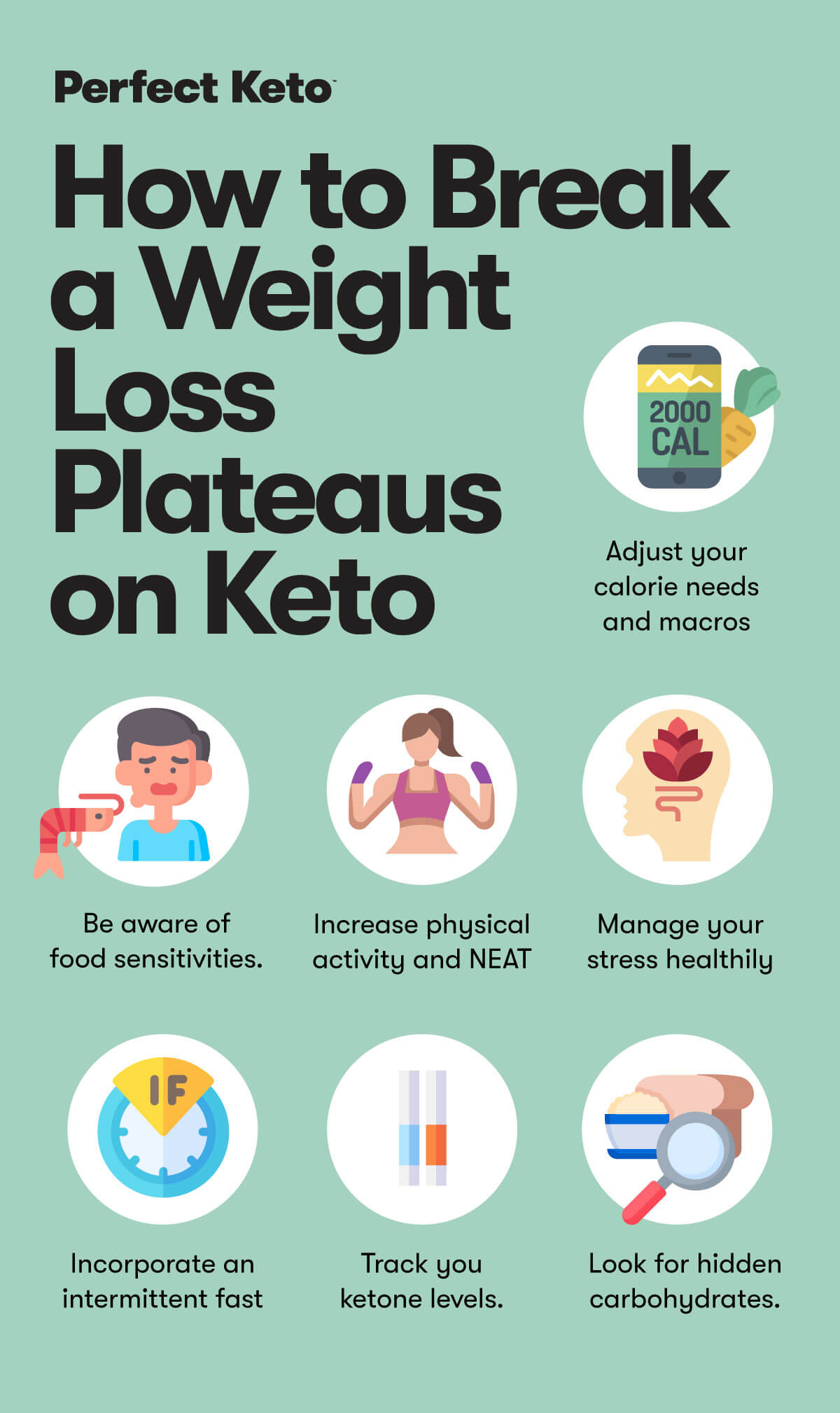
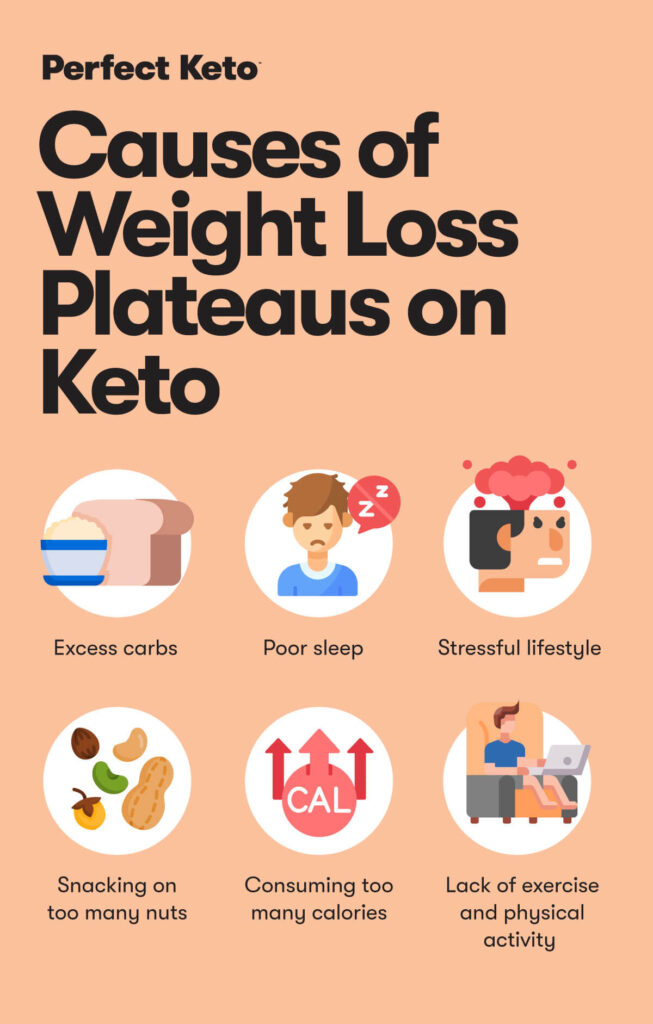
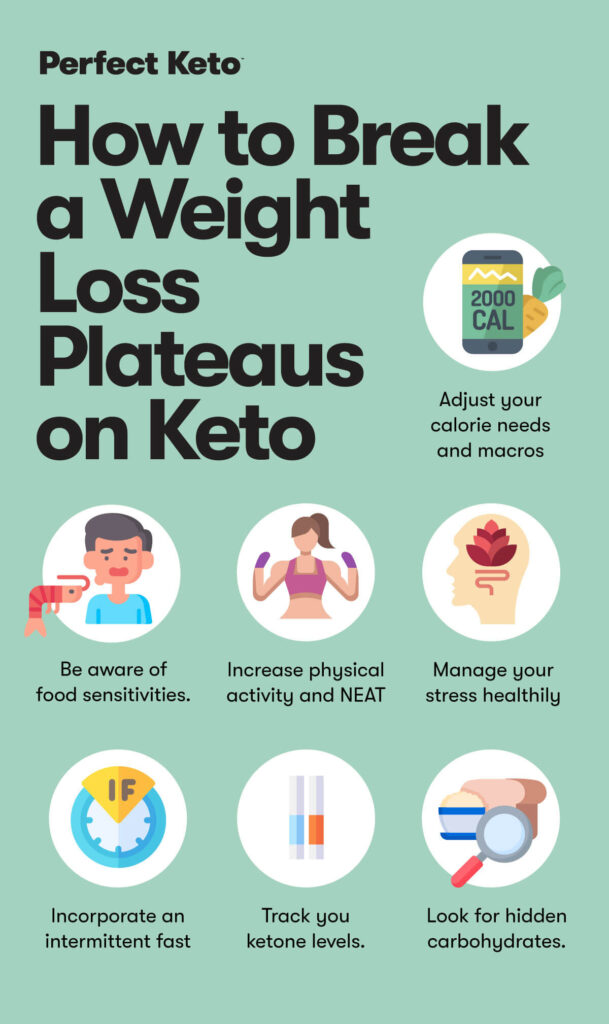
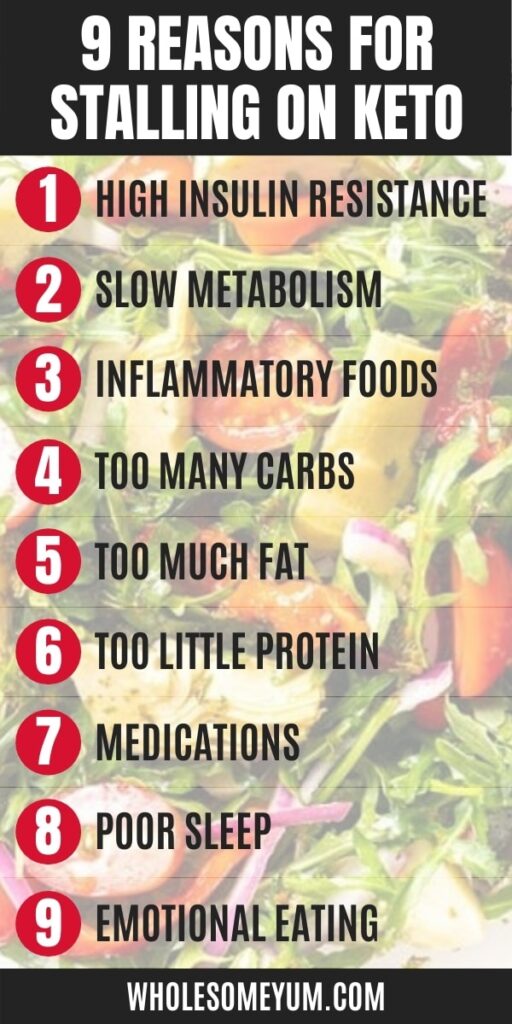
Are you frustrated with your progress on the ketogenic diet? Weight loss plateaus can be a common occurrence, but understanding the underlying causes can help you break through those stubborn barriers. While a slowing metabolism, inadequate macronutrient ratio, and excess calorie consumption are common culprits, factors like exercise routine, stress levels, sleep patterns, and medical history can also contribute to plateaus. Fortunately, there are steps you can take to overcome these obstacles. By evaluating your carb intake, trying intermittent fasting, switching up your workout routine, reducing calorie intake, and managing stress levels, you can kick-start your weight loss once again. And remember, it’s important to recognize progress beyond just the numbers on the scale – improvements in mood, energy levels, and body measurements are equally valuable indicators. If you find that a plateau is accompanied by persistent adverse symptoms, don’t hesitate to consult a healthcare provider for guidance and support.
Common Causes of Weight Loss Plateaus on the Ketogenic Diet
Weight loss plateaus are a common occurrence on the ketogenic diet. While the initial stages of this low-carb, high-fat diet may result in rapid weight loss, it is not uncommon for progress to slow down or even come to a halt after a certain point. Understanding the common causes of weight loss plateaus can help you identify and overcome these obstacles, allowing you to continue progressing towards your weight loss goals.
1. Slowing Metabolism
A slowing metabolism can be a significant factor contributing to weight loss plateaus on the ketogenic diet. When you consistently consume fewer calories than your body needs, your metabolism adjusts to preserve energy and reduce the rate at which you burn calories.
1.1 Inadequate Calorie Intake
One potential cause of a slowing metabolism is inadequate calorie intake. While the ketogenic diet does promote a reduction in overall calorie consumption, it is important to ensure that you are still providing your body with enough fuel to function optimally. Consuming too few calories over an extended period can signal to your body that it needs to conserve energy, leading to a sluggish metabolism and a plateau in weight loss.
1.2 Lack of Physical Activity
Another factor that can contribute to a slowing metabolism on the ketogenic diet is a lack of physical activity. Regular exercise helps to increase your metabolic rate, allowing you to burn more calories throughout the day. Without sufficient activity, your metabolism may not be stimulated enough to support ongoing weight loss and may begin to slow down.
1.3 Genetic Factors
Some individuals may experience a slower metabolism due to genetic factors. Genetic variations can affect how efficiently your body processes and burns calories, making weight loss more challenging. While you cannot change your genetic makeup, understanding this potential factor can help you make adjustments to your diet and exercise routine to compensate for a slower metabolism.
2. Inadequate Macronutrient Ratio
Another common cause of weight loss plateaus on the ketogenic diet is an inadequate macronutrient ratio. The macronutrients in your diet – fats, proteins, and carbohydrates – play a significant role in your body’s ability to enter and maintain a state of ketosis, which is the primary goal of the ketogenic diet.
2.1 Imbalance in Protein Intake
One aspect to consider is the balance of protein intake within your overall macronutrient ratio. Consuming too much protein can kick you out of ketosis, while not getting enough protein may result in muscle loss and a lack of satiety. It is important to find the right balance for your individual needs and goals to ensure that you are supporting both weight loss and overall health.
2.2 Excessive Fat Intake
While the ketogenic diet is high in healthy fats, it is possible to consume an excessive amount of fat, which can impede weight loss progress. While fats are an essential component of the diet, they are also calorie-dense, and consuming an excess amount of calories from fats can hinder your weight loss efforts.
2.3 Insufficient Fiber Intake
Fiber is an often overlooked but crucial component of the ketogenic diet. Insufficient fiber intake can lead to constipation, digestive issues, and a slower metabolism. Incorporating fiber-rich foods such as leafy greens, nuts, and seeds can help support proper digestion and weight loss.
3. Consuming Too Many Calories
One of the most common reasons for weight loss plateaus on any diet, including the ketogenic diet, is consuming too many calories. While the focus of the ketogenic diet is on macronutrient ratios and carbohydrate restriction, it is still important to monitor your overall calorie intake to ensure that you are creating a calorie deficit for weight loss.
3.1 Hidden Sources of Calories
Hidden sources of calories can sabotage your weight loss efforts without you even realizing it. Ingredients such as oils, sauces, and condiments can add significant calories to your meals. It’s essential to be mindful of these additions and account for them in your overall calorie intake.
3.2 Overeating on High-Fat Foods
Because the ketogenic diet encourages the consumption of healthy fats, it can be easy to overindulge in high-fat foods. While fats are an essential part of the diet, it is still important to practice portion control and mindful eating to avoid consuming excess calories.
3.3 Frequent Snacking
Frequent snacking can also contribute to weight loss plateaus. While snacks are a convenient way to satisfy hunger between meals, they can add up in terms of calories. It may be helpful to evaluate your snacking habits and ensure that you are choosing low-calorie, nutrient-dense options that align with your weight loss goals.
4. Effect of Exercise Routine
Your exercise routine can have a significant impact on your weight loss progress on the ketogenic diet. While exercise is not necessary for weight loss, it can help increase calorie expenditure and enhance overall well-being.
4.1 Overtraining
Overtraining can hinder weight loss progress. While exercise is beneficial, pushing yourself too hard and not allowing your body sufficient rest and recovery can lead to hormonal imbalances, increased stress levels, and even a potential decrease in muscle mass. It is important to find a balance between challenging yourself and allowing your body time to recover.
4.2 Lack of Variation
Doing the same workout routine consistently can also contribute to weight loss plateaus. Your body becomes efficient at performing a particular exercise, and the calorie burn diminishes over time. Incorporating a variety of exercises, such as strength training, cardio, and flexibility exercises, can help prevent plateauing and promote continuous weight loss.
4.3 Inadequate Recovery
Recovery is an essential aspect of any exercise routine. Without proper recovery, your body may not have the chance to repair and rebuild muscle, leading to a potential decrease in metabolic rate and weight loss plateaus. Ensuring that you are getting enough rest, sleep, and providing your body with the nutrition it needs for recovery is crucial for continued progress.
5. Impact of Stress Levels
Stress levels can have a significant impact on weight loss progress. When you are stressed, your body releases the hormone cortisol, which can increase appetite, promote fat storage, and hinder weight loss efforts.
5.1 Increased Cortisol Levels
Stress can cause an increase in cortisol levels, which can disrupt your body’s ability to burn fat efficiently. Finding healthy ways to manage stress, such as practicing relaxation techniques, engaging in enjoyable activities, and seeking support, can help mitigate the negative impact of stress on weight loss.
5.2 Emotional Eating
Emotional eating is another common response to stress that can hinder weight loss progress on the ketogenic diet. Turning to high-calorie, comforting foods as a way to cope with stress can sabotage your weight loss efforts. Developing alternative strategies for dealing with emotions, such as journaling, engaging in physical activity, or seeking professional counseling, can help mitigate emotional eating and support continued weight loss.
5.3 Disruption of Sleep Patterns
Poor sleep quality and disrupted sleep patterns can contribute to weight loss plateaus. Lack of sleep can disrupt the balance of hunger hormones, increase cravings for high-calorie foods, and decrease your motivation to exercise. Prioritizing good sleep hygiene and establishing regular sleep patterns can support weight loss efforts on the ketogenic diet.
6. Role of Sleep Schedule
The quality and regularity of your sleep schedule can also impact weight loss progress on the ketogenic diet.
6.1 Lack of Quality Sleep
Lack of quality sleep can affect metabolic function and hinder weight loss efforts. When you’re sleep-deprived, your body may have difficulty regulating hunger hormones, leading to increased appetite and cravings for high-calorie foods. Prioritizing good sleep hygiene, such as creating a peaceful sleep environment, avoiding electronic devices before bed, and establishing a consistent sleep routine, can support weight loss and overall well-being.
6.2 Irregular Sleep Patterns
Irregular sleep patterns can also affect weight loss progress. Inconsistencies in your sleep schedule can disrupt circadian rhythms, which play a role in regulating metabolism and hunger cues. Establishing a regular sleep pattern, even on weekends, can support weight loss efforts and help prevent plateaus.
7. Influence of Medical History
Certain medical conditions and medications can impact weight loss progress on the ketogenic diet. It is important to consider your medical history and consult with a healthcare professional if you suspect that underlying factors may be contributing to your weight loss plateau.
7.1 Hormonal Imbalances
Hormonal imbalances, such as thyroid disorders or polycystic ovary syndrome (PCOS), can affect weight loss efforts. These conditions can impact metabolic function, appetite control, and energy levels. Consulting with a healthcare provider and potentially undergoing hormonal testing can help identify and address any underlying imbalances that may be hindering weight loss.
7.2 Certain Medications
Some medications can also impact weight loss progress. Medications such as antidepressants, antipsychotics, and corticosteroids can affect metabolic function and increase appetite. If you are taking medications that may be interfering with your weight loss efforts, it is important to discuss this with your healthcare provider.
7.3 Thyroid Issues
Thyroid issues, such as hypothyroidism, can slow down metabolism and impact weight loss progress. If you suspect that your thyroid function may be contributing to your weight loss plateau, it is essential to consult with your healthcare provider and potentially undergo thyroid testing.
8. Evaluating Carb Intake
Carbohydrate intake is a crucial aspect of the ketogenic diet. Evaluating your carb intake can help identify potential factors contributing to your weight loss plateau and make necessary adjustments.
8.1 Tracking Net Carbs
Tracking net carbs, which are calculated by subtracting dietary fiber from total carbs, can help ensure that you are staying within the appropriate carbohydrate range for the ketogenic diet. It is important to track not only the obvious sources of carbs but also the hidden sources, such as certain low-carb processed foods or condiments, which can still contribute to your overall carb intake.
8.2 Experimenting with Carb Cycling
Carb cycling is a strategy that involves alternating between higher and lower carbohydrate intake. It can be used to prevent plateaus and boost weight loss on the ketogenic diet. By strategically incorporating higher carb days, you can help support metabolic function and prevent adaptation to a lower carbohydrate intake.
8.3 Reducing Hidden Carbohydrates
Hidden sources of carbohydrates can be a sneaky contributor to weight loss plateaus. Certain foods, such as sauces, dressings, and processed meats, may contain hidden carbohydrates. Reading labels and being mindful of portion sizes can help identify and reduce hidden sources of carbohydrates in your diet.
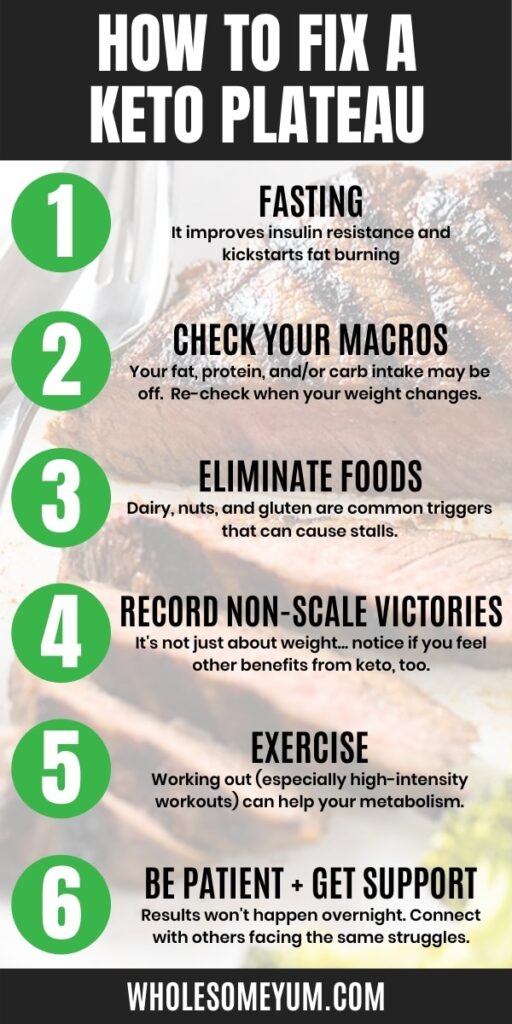
9. Trying Intermittent Fasting
Intermittent fasting is a pattern of eating that involves alternating between periods of fasting and eating. It can be a useful tool to break through weight loss plateaus and optimize ketosis.
9.1 Benefits of Fasting on Ketosis
Intermittent fasting can help promote weight loss by optimizing ketosis. During fasting periods, your body depletes stored glycogen and increases fat burning, allowing you to enter and maintain a state of ketosis more easily. Additionally, fasting can help improve insulin sensitivity and promote autophagy, the process by which your body clears out old cells and promotes cell regeneration.
9.2 Different Intermittent Fasting Protocols
There are various intermittent fasting protocols to choose from, such as the 16/8 method, where you fast for 16 hours and eat within an 8-hour window, or the 5:2 method, where you eat normally for 5 days and restrict calories on 2 non-consecutive days. Experimenting with different protocols can help you find the approach that works best for your lifestyle and weight loss goals.
9.3 Adjustments for Personal Lifestyle
It is important to make adjustments to intermittent fasting protocols to suit your personal lifestyle and preferences. For example, if you find it challenging to skip breakfast, you may choose to eat within a different time frame, such as 10 a.m. to 6 p.m. instead of 12 p.m. to 8 p.m. Finding a fasting schedule that works for you can help support weight loss progress on the ketogenic diet.
10. Switching Up the Workout Routine
Switching up your workout routine can help break through weight loss plateaus and enhance overall fitness and well-being.
10.1 Incorporating Strength Training
Incorporating strength training into your exercise routine can help increase muscle mass, which can in turn boost your metabolism and support weight loss. Strength training exercises, such as lifting weights or using resistance bands, can help build lean muscle and promote fat burning.
10.2 Implementing High-Intensity Interval Training
High-intensity interval training (HIIT) is a type of exercise that involves short bursts of intense activity followed by periods of rest or lower-intensity exercise. HIIT can help optimize fat burning, increase calorie expenditure, and improve cardiovascular fitness. Adding HIIT workouts into your routine can help break through weight loss plateaus and keep your body challenged.
10.3 Cross-Training for Variety
Cross-training involves incorporating a variety of exercises into your routine, such as swimming, biking, or practicing yoga. This approach can help prevent boredom, challenge different muscle groups, and enhance overall fitness. By keeping your workouts varied and engaging, you can support ongoing weight loss progress on the ketogenic diet.

11. Decreasing Calorie Intake
Reducing your calorie intake can be an effective strategy to break through a weight loss plateau on the ketogenic diet. However, it is important to approach calorie reduction with caution and prioritize nutrient density.
11.1 Mindful Portion Control
Mindful portion control is key when reducing calorie intake. Paying attention to serving sizes and honoring your body’s hunger and fullness cues can help prevent overeating and support weight loss. Experimenting with portion sizes and using smaller plates or containers can be helpful strategies to manage calorie intake.
11.2 Reassessing Fat Sources
When reducing calorie intake, it may be necessary to reassess the sources of fat in your diet. High-fat foods, while an essential part of the ketogenic diet, can be calorie-dense. Opting for leaner protein sources, incorporating more vegetables, and choosing healthier fats, such as avocados and nuts, can help reduce calorie intake while still providing essential nutrients.
11.3 Adjusting Protein Intake
Protein intake is crucial for maintaining muscle mass and promoting satiety. However, excessive protein consumption can kick you out of ketosis and hinder weight loss progress. Adjusting your protein intake to an appropriate level for your individual needs and goals can help ensure that you are supporting both weight loss and overall health.
12. Reducing Stress Levels
Reducing stress levels can have a significant impact on weight loss progress and overall well-being. Implementing stress management techniques and prioritizing self-care can help support weight loss efforts on the ketogenic diet.
12.1 Practicing Stress Management Techniques
Incorporating stress management techniques into your daily routine can help reduce stress levels and support weight loss progress. Techniques such as mindfulness meditation, deep breathing exercises, yoga, and engaging in enjoyable hobbies or activities can help promote relaxation and overall well-being.
12.2 Prioritizing Self-Care
Prioritizing self-care is essential for managing stress and supporting weight loss. Taking the time to engage in activities that bring you joy, practicing regular self-care rituals, and prioritizing rest and relaxation can help reduce stress levels and support your overall weight loss journey.
12.3 Seeking Support and Counseling
If stress is significantly impacting your weight loss efforts, seeking professional support and counseling can be beneficial. A trained therapist or counselor can provide guidance and strategies for managing stress, emotions, and overall mental well-being, which can in turn support weight loss progress.
13. Considering Alternative Measures of Progress
While weight is often the primary focus on any weight loss journey, it is important to consider other measures of progress that can indicate improvements in health and well-being.
13.1 Assessing Mood and Energy Levels
Improvements in mood and energy levels can indicate progress on the ketogenic diet, even if the number on the scale is not changing significantly. Pay attention to how you feel mentally and physically, as increased energy and an uplifted mood can be signs of a successful weight loss journey.
13.2 Tracking Body Measurements
Tracking body measurements, such as waist circumference, hip circumference, and body fat percentage, can provide a more accurate representation of your progress compared to relying solely on the scale. As you build lean muscle mass, your body composition may change, leading to a decrease in inches even if your weight remains the same.
13.3 Monitoring Overall Health Markers
Monitoring overall health markers, such as cholesterol levels, blood pressure, and blood sugar levels, can provide valuable insights into the impact of the ketogenic diet on your health. Even without significant weight loss, improvements in these markers can indicate improved overall health and well-being.
14. Consulting a Healthcare Provider
If you have tried various strategies to break through your weight loss plateau and are still experiencing persistent adverse symptoms, it is important to consult a healthcare provider. A healthcare professional can help evaluate your individual situation, identify potential underlying factors, and provide personalized guidance and recommendations.
14.1 Recognizing Persistent Adverse Symptoms
Persistent adverse symptoms, such as extreme fatigue, hair loss, irregular menstrual cycles, and significant changes in mood or appetite, should not be overlooked. These symptoms may indicate underlying medical conditions that require further evaluation and treatment. It is crucial to recognize these symptoms and seek professional medical advice promptly.
14.2 Discussing Individual Concerns
Discussing your individual concerns and frustrations with a healthcare provider can provide valuable insight and support. Your healthcare provider can help assess your current approach, make adjustments, provide additional resources or referrals, and offer guidance based on your specific needs and goals.
14.3 Seeking Professional Guidance
Professional guidance from a healthcare provider, dietitian, or nutritionist can help you navigate your weight loss plateau on the ketogenic diet. These professionals have the knowledge and expertise to tailor recommendations to your individual needs, address any underlying factors, and provide support throughout your weight loss journey.
In conclusion, weight loss plateaus are common on the ketogenic diet, but with a thorough understanding of the common causes and appropriate strategies, you can break through these plateaus and continue progressing towards your weight loss goals. Remember to evaluate your calorie intake, macronutrient ratio, exercise routine, stress levels, and sleep schedule. Consider alternative measures of progress, and consult a healthcare provider if necessary. With perseverance and the right approach, you can overcome weight loss plateaus and achieve long-term success on the ketogenic diet.
Frustrated with your progress on the ketogenic diet? Discover the common causes of weight loss plateaus and learn how to overcome them. Find solutions to plateau-busting obstacles and achieve your weight loss goals. Don’t get discouraged – there’s more to success than just the numbers on the scale!
