


The importance of the fat pad in the lower abdomen area
In the world of fitness and health, there is one area of the body that often seems to cause frustration and concern for many individuals: the lower abdomen. We all know that stubborn fat that just won’t seem to budge no matter how hard we try. Well, my friend, let me tell you about the importance of the fat pad in this area, and how understanding it can make a world of difference in your quest for a toned and sculpted physique.
The fat pad, as its name suggests, refers to the accumulation of excess fat in the lower abdomen area. But here’s the thing – despite what some might try to sell you, you can’t specifically target this area for fat loss alone. Instead, it’s essential to focus on an overall approach to losing fat throughout the body. Sounds a bit daunting, right? Don’t worry, I’ve got you covered. In this article, we’ll explore simple yet effective strategies to clean up your eating habits, maximize your metabolism, and engage in targeted exercises that can help banish that unwanted lower belly fat. So, let’s dive in and discover the secrets to a leaner and more confident you.
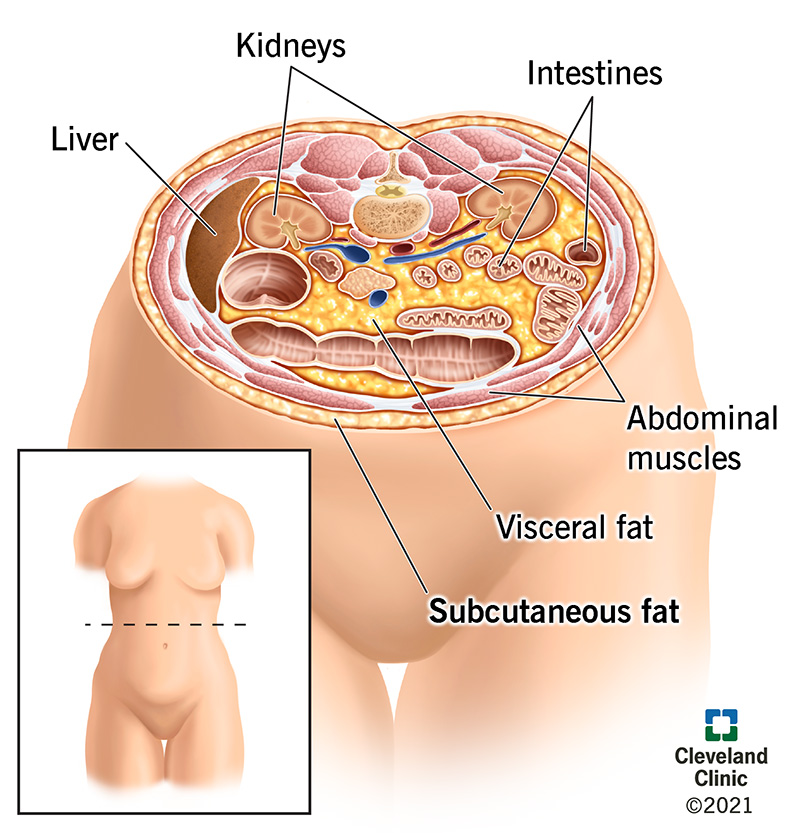
The Definition and Location of the Fat Pad
Definition of the fat pad
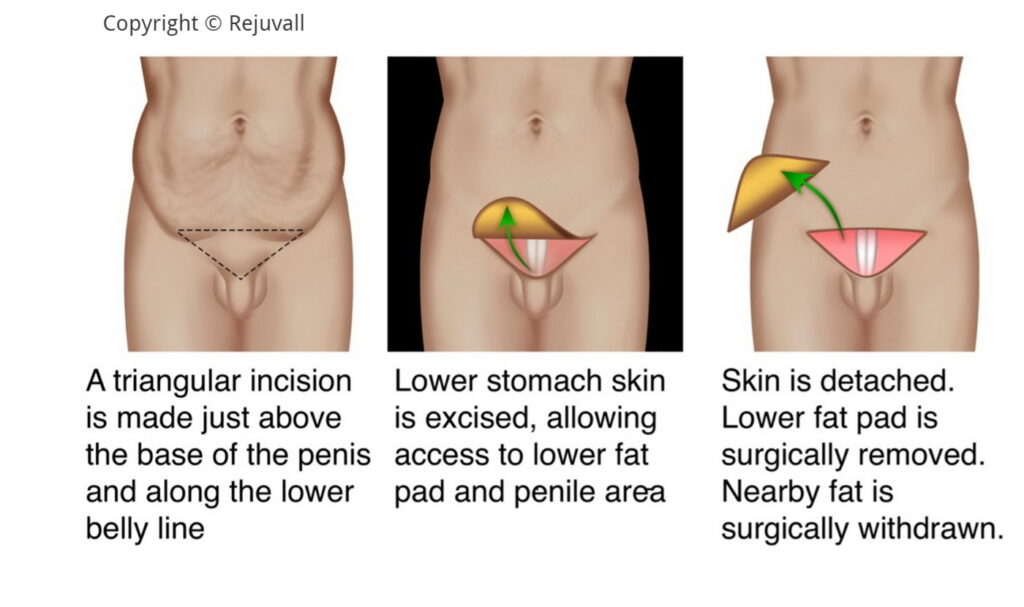
The fat pad, also known as the adipose tissue, refers to the layer of fatty tissue located in the lower abdomen area. It is composed of fat cells that serve various functions within the body. While it is normal to have some amount of fat in this area, excessive fat accumulation can lead to health concerns and aesthetic issues.
Location of the fat pad in the lower abdomen
The fat pad is primarily concentrated in the lower abdomen region, below the belly button. It extends towards the sides and may vary in size and distribution among individuals. This area is often a common trouble spot for many people, and losing fat in this area can be challenging. It is important to understand the role of the fat pad in the body and how it can be managed for a healthier lifestyle.
The Role of the Fat Pad in the Body
Protection of internal organs
One of the key functions of the fat pad is to provide protection to the internal organs in the lower abdominal area. It acts as a cushion, absorbing impact and reducing the risk of injury to vital organs such as the intestines and reproductive organs. Without the fat pad, these organs would be more vulnerable to physical trauma.
Insulation and temperature regulation
In addition to protection, the fat pad also plays a crucial role in insulation and temperature regulation. The layer of fat helps to maintain body heat by acting as an insulator, preventing excessive heat loss during colder temperatures. This is especially important in maintaining stable core body temperature and overall thermoregulation.
Importance of Maintaining a Healthy Fat Pad
Support for pelvic organs
Maintaining a healthy fat pad is vital for providing support to the pelvic organs. These organs, including the bladder, uterus, and rectum, rely on the fat pad for stability and proper positioning. A weak or insufficient fat pad can increase the risk of prolapse or displacement of these organs, leading to potential complications and discomfort.
Aesthetics and body composition
While the fat pad serves important physiological functions, its appearance also contributes to aesthetics and body composition. Excessive fat accumulation in the lower abdomen can affect one’s self-esteem and body image. Maintaining a healthy fat pad can help achieve a desirable waistline and a well-proportioned body shape.
Factors that Affect the Size of the Fat Pad
Genetics and body type
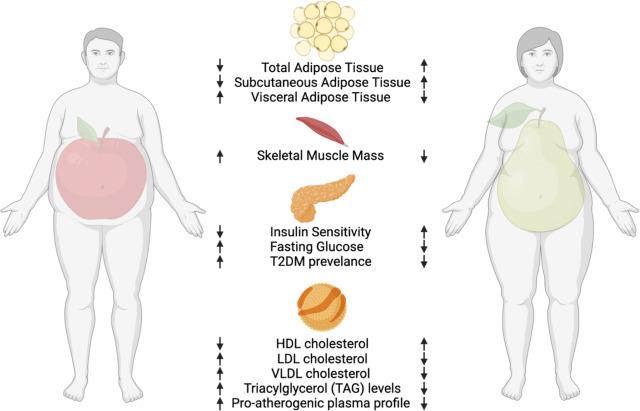
Genetics and body type play a significant role in determining the size and distribution of the fat pad. Some individuals may naturally store more fat in the lower abdomen area, while others may have a more even distribution of fat throughout their body. Understanding one’s genetic predispositions can help in setting realistic expectations for fat loss.
Hormonal imbalances
Hormonal imbalances, such as high levels of estrogen or insulin resistance, can contribute to increased fat storage in the lower abdomen. Conditions such as polycystic ovary syndrome (PCOS) or hormonal changes during menopause can also affect fat distribution. Consulting with a healthcare professional to address hormonal imbalances is essential for managing the fat pad.
Diet and lifestyle
Diet and lifestyle choices also have a direct impact on the size of the fat pad. Consuming a diet high in processed foods, sugars, and unhealthy fats can contribute to fat accumulation. Additionally, a sedentary lifestyle with limited physical activity can lead to weight gain in the lower abdomen area. By adopting a healthy diet and an active lifestyle, it is possible to manage and decrease the fat pad.
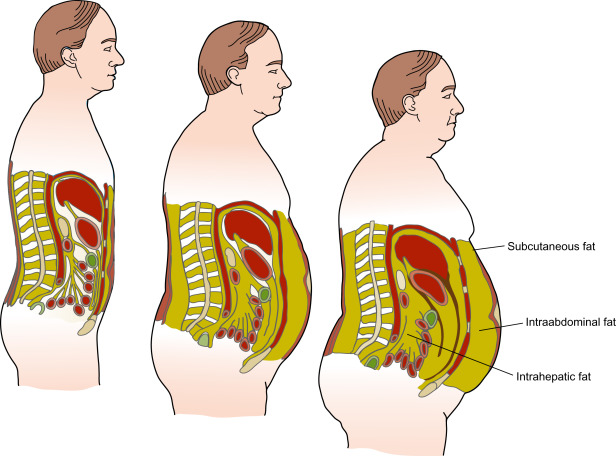
Understanding Spot Reduction Myth
Explanation of spot reduction
Spot reduction refers to the belief that targeting specific areas of the body with exercises can result in localized fat loss. For example, doing countless abdominal exercises in an attempt to reduce fat in the lower abdomen. However, this approach is not effective as fat loss occurs throughout the body, not just in specific areas.
Why spot reduction is not effective
Spot reduction is not effective because the body does not selectively burn fat from specific regions. When the body needs energy, it draws from fat stores to provide fuel. However, it is genetically predetermined where fat is stored and where it is lost from first. Therefore, even if you perform exercises targeting the lower abdomen, the fat loss will occur from all over the body, including areas other than the targeted region.
Developing Healthy Eating Habits
Importance of clean eating
Clean eating is crucial for maintaining a healthy fat pad. It involves consuming whole, unprocessed foods that provide the body with essential nutrients. These foods are generally low in added sugars, unhealthy fats, and artificial additives. By prioritizing clean eating, you can create a calorie deficit and promote overall fat loss.
Focus on unprocessed foods
Unprocessed foods, such as fruits, vegetables, lean proteins, whole grains, and healthy fats, should form the foundation of your diet. These foods are rich in essential vitamins, minerals, and dietary fiber, which help support overall health and weight management. Incorporating a variety of unprocessed foods into your meals can help you maintain a healthy fat pad.
Portion control and meal frequency
In addition to choosing unprocessed foods, practicing portion control and managing meal frequency are essential for promoting a healthy fat pad. Eating smaller, balanced meals or snacks every three hours can help keep your metabolism active and prevent overeating. This approach can also help regulate blood sugar levels and prevent excessive fat storage.
Managing Dairy Intake
The impact of dairy on fat accumulation
Dairy products, such as milk, cheese, and yogurt, can contribute to fat accumulation in some individuals. This is due to lactose, a sugar found in dairy, that can cause bloating and water retention in certain people. For those looking to manage their fat pad, it may be helpful to reduce or limit dairy consumption and observe how it affects their body composition.
Alternative milk options
If you find that dairy products negatively impact your fat pad, there are several alternative milk options available. Almond milk, soy milk, coconut milk, and oat milk are dairy-free alternatives that can be used in place of traditional dairy products. These options provide a similar taste and can be enjoyed in various recipes and beverages.
Toning the Lower Abdominal Muscles
Targeting the lower abs
While spot reduction is not possible, targeting the lower abdominal muscles through specific exercises can help strengthen and tone this area. By engaging in exercises that activate the lower abs, you can improve muscle definition and create a more sculpted appearance. However, it is important to remember that these exercises will not specifically burn fat from the fat pad.
Effective exercises for the fat pad
To tone the lower abdominal muscles, exercises such as leg raises, planks, reverse crunches, and bicycle crunches can be beneficial. These exercises engage the muscles in the lower abdomen, providing strength and stability. Additionally, incorporating full-body exercises that promote overall fat loss, such as squats and lunges, can contribute to reducing the fat pad.
Total-Body Circuit Training
Benefits of circuit training
Circuit training is a highly effective exercise technique for burning fat and building lean muscle. It involves completing a series of exercises targeting different muscle groups with minimal rest in between. This form of training not only increases cardiovascular endurance but also boosts metabolism, resulting in enhanced fat burning throughout the entire body.
Incorporating fat burning exercises
When designing a total-body circuit training workout, it is important to incorporate exercises that promote fat burning. Compound movements such as burpees, mountain climbers, and kettlebell swings engage multiple muscles simultaneously, leading to increased calorie expenditure. By including these exercises in your routine, you can effectively reduce the fat pad while improving overall fitness.
Conclusion
In conclusion, the fat pad located in the lower abdomen area serves important functions such as protecting internal organs, providing insulation, and supporting pelvic organs. Maintaining a healthy fat pad is essential for overall health, body composition, and aesthetics. Factors that affect the size of the fat pad include genetics, hormonal imbalances, and diet/lifestyle choices. Spot reduction is a myth, and fat loss occurs throughout the body, not just in specific areas. Developing healthy eating habits, managing dairy intake, targeting the lower abs, and engaging in total-body circuit training are all effective strategies for maintaining a healthy fat pad. By combining these approaches, you can promote overall fat loss, strengthen your body, and achieve your desired physique. Remember, everyone’s body is unique, so it is important to listen to your body and consult with a healthcare professional before making any significant changes to your routine.
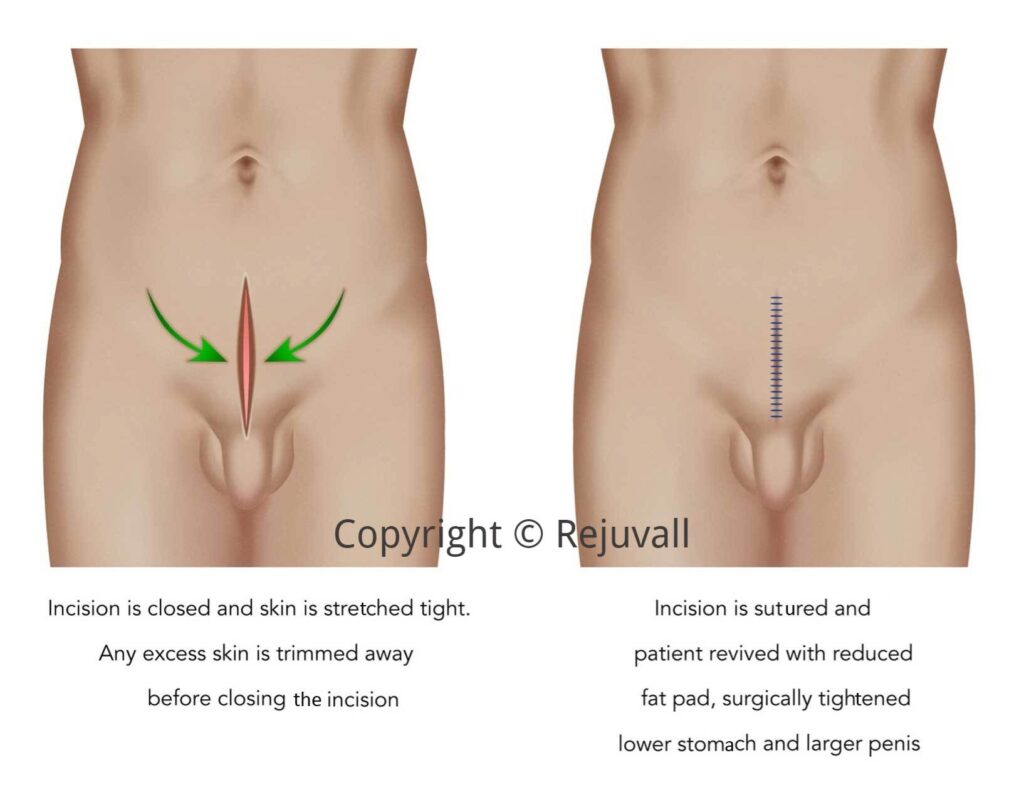
Discover the importance of the fat pad in the lower abdomen area for your fitness goals. Learn strategies to lose fat and tone your physique effectively.
