

Causes and Strategies to Overcome Weight Loss Plateau
Are you frustrated with hitting a weight loss plateau and not seeing the results you desire? Look no further than our product, “Causes and Strategies to Overcome Weight Loss Plateau.” This comprehensive guide dives into the reasons behind weight loss plateaus and provides effective strategies to overcome them. Whether it’s a stubborn metabolism, lack of exercise variety, or emotional eating, this product will equip you with the knowledge and tools to break through this frustrating phase and achieve your weight loss goals. Say goodbye to the dreaded plateau and hello to a healthier, happier you.
Causes and Strategies to Overcome Weight Loss Plateau
Are you feeling frustrated with your weight loss journey? Have you hit a point where despite your best efforts, the scale just won’t budge? Don’t worry, you’re not alone. Many people experience a weight loss plateau at some point in their journey. Understanding the causes and adopting strategies to overcome this plateau can help you break through and continue making progress towards your weight loss goals.
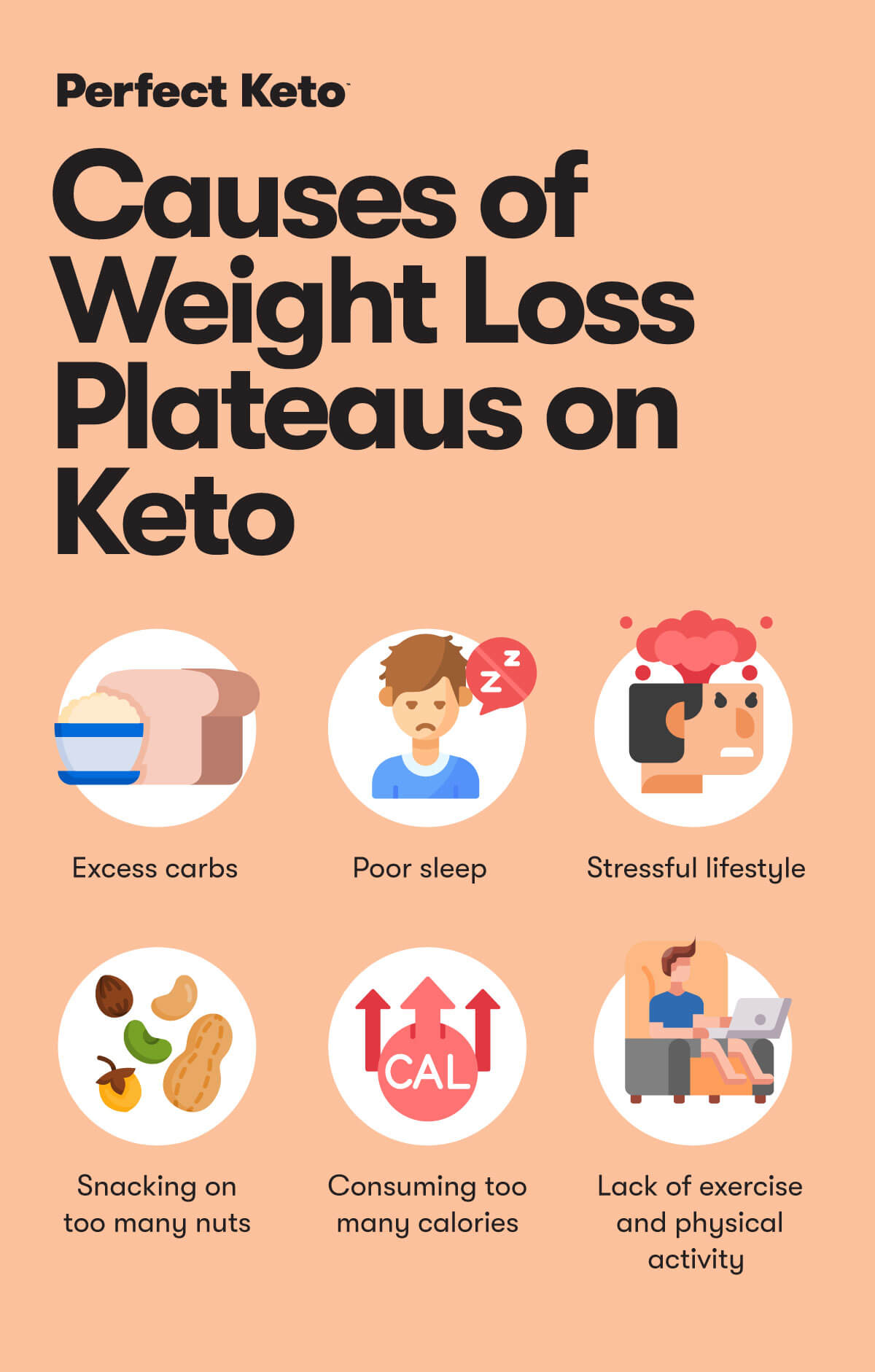
Causes of Weight Loss Plateau
Metabolic Adaptation
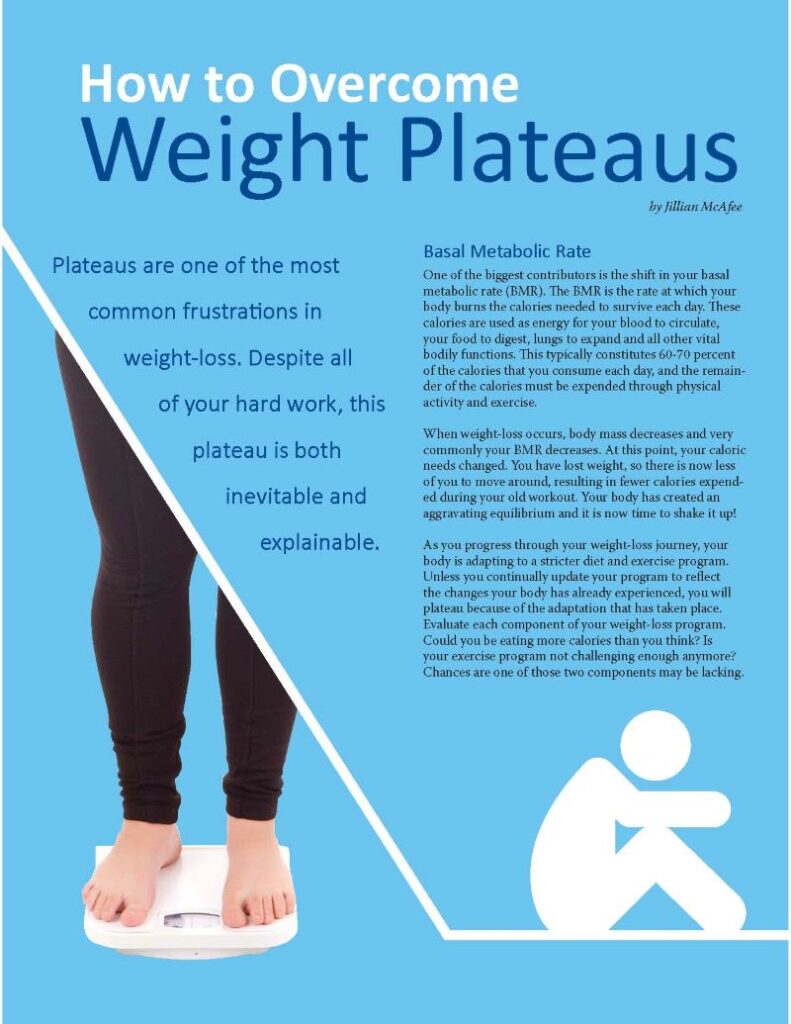
One of the main causes of a weight loss plateau is metabolic adaptation. This refers to your body’s ability to adjust and become more efficient at utilizing energy. When you first start a weight loss program, your body responds by burning calories at a higher rate. However, over time, your metabolism may slow down, making it harder to continue losing weight.
To overcome metabolic adaptation, it’s important to shake up your routine. Vary your workout intensity and try incorporating high-intensity interval training (HIIT) or weightlifting into your exercise routine. Additionally, changing your diet periodically can help keep your metabolism guessing and prevent it from adapting.
Lack of Caloric Deficit
Another common cause of a weight loss plateau is a lack of caloric deficit. In order to lose weight, you need to consume fewer calories than you burn. If you’re not creating a sufficient caloric deficit, your body won’t have a reason to burn stored fat for energy.
To address this issue, track your caloric intake and expenditure. Use a food diary or a calorie-tracking app to monitor your daily food intake and make sure you’re consuming fewer calories than you’re burning. Additionally, be mindful of portion sizes and try to incorporate more whole, nutrient-dense foods into your diet to maximize satiety while minimizing calories.
Muscle Loss and Reduced Basal Metabolic Rate
As you lose weight, it’s possible to experience muscle loss, which can contribute to a reduced basal metabolic rate (BMR). Your BMR is the number of calories your body needs to perform basic functions at rest. When muscle mass decreases, your BMR decreases as well, making weight loss more challenging.
Incorporating strength training exercises into your routine is crucial for preserving muscle mass and preventing a decrease in your BMR. Focus on compound exercises that target multiple muscle groups, such as squats, deadlifts, and push-ups. Aim to strength train at least two to three times per week, gradually increasing the intensity and weight as your fitness level improves.
Inadequate Macronutrient Intake
The role of macronutrients, including carbohydrates, proteins, and fats, cannot be overlooked when it comes to weight loss. Inadequate intake or imbalance of these macronutrients can hinder your progress and lead to a weight loss plateau.
It’s essential to strike a balance when it comes to macronutrient intake. Carbohydrates provide energy, proteins support muscle growth and repair, and fats help with hormone production and absorption of fat-soluble vitamins. Ensure that your diet includes a variety of whole grains, lean proteins, and healthy fats. Consider consulting with a registered dietitian to create a personalized meal plan that meets your individual needs and supports your weight loss goals.
Hormonal Imbalances
Hormones play a significant role in weight management, and imbalances can interfere with your progress. Hormonal issues, such as hypothyroidism or insulin resistance, can make it difficult for your body to regulate weight and can contribute to a weight loss plateau.
If you suspect hormonal imbalances, it’s important to consult with a healthcare professional for a thorough evaluation. They can recommend appropriate tests to identify any underlying issues and determine the best course of action. In some cases, medication or hormone therapy may be necessary to restore balance and aid in weight loss.
Stress and Sleep Deprivation
The impact of stress and sleep deprivation on weight loss should not be underestimated. Chronic stress can lead to increased levels of cortisol, a hormone that can promote weight gain and hinder weight loss progress. Lack of quality sleep can also disrupt normal hormone regulation and appetite control, making it harder to stick to a healthy eating plan.
To manage stress levels, consider incorporating stress-management techniques into your daily routine. This may include activities like meditation, yoga, deep breathing exercises, or engaging in hobbies that you enjoy. Improving sleep quality and duration should be a priority as well. Create a relaxing bedtime routine, avoid electronic devices before bed, and ensure your sleeping environment is comfortable and conducive to a good night’s rest.
Inconsistency in Exercise Routine
Consistency is key when it comes to exercise. If you’re experiencing a weight loss plateau, it’s possible that you may have become complacent with your exercise routine or even stopped exercising altogether.
To overcome this, aim for consistency in your exercise routine. Set realistic goals for yourself and schedule regular workout sessions throughout the week. Mix up your exercises to keep your body challenged and avoid hitting a plateau. Consider seeking guidance from a personal trainer or joining fitness classes to stay motivated and accountable.
Lack of Protein
Protein is an essential nutrient for weight loss. It helps to promote satiety, preserve muscle mass, and support a healthy metabolism. If you’re not consuming enough protein, it can be challenging to break through a weight loss plateau.
Make sure to incorporate protein-rich foods into your meals and snacks. Lean meats, poultry, fish, eggs, dairy products, legumes, and tofu are all excellent sources of protein. Consider adding a protein shake or bar as a convenient option when you’re on the go or need a quick post-workout snack.
Psychological Factors
Psychological factors can also contribute to a weight loss plateau. Emotional eating, stress-related binge eating, and a negative body image can all hinder progress and make it difficult to stick to a healthy lifestyle.
To address psychological factors, it’s important to cultivate a positive mindset and develop healthy coping mechanisms for stress and emotions. Engage in self-reflection and seek support from a therapist or counselor if needed. Practice mindful eating and develop a healthy relationship with food and your body. Surround yourself with a supportive network of friends and family who can encourage and motivate you throughout your journey.
Medical Conditions
In some cases, certain medical conditions can make weight loss more challenging. Conditions such as polycystic ovary syndrome (PCOS), Cushing’s syndrome, or medications that cause weight gain can interfere with your progress.
If you suspect that a medical condition is hindering your weight loss efforts, it’s crucial to consult with a healthcare professional. They can evaluate your medical history, perform necessary tests, and develop a plan to address the underlying condition while providing appropriate guidance for weight loss.
Strategies to Overcome Weight Loss Plateau
Now that we’ve explored the various causes of a weight loss plateau, let’s discuss strategies to overcome this challenge and continue making progress towards your goals.
Track Your Caloric Intake and Expenditure
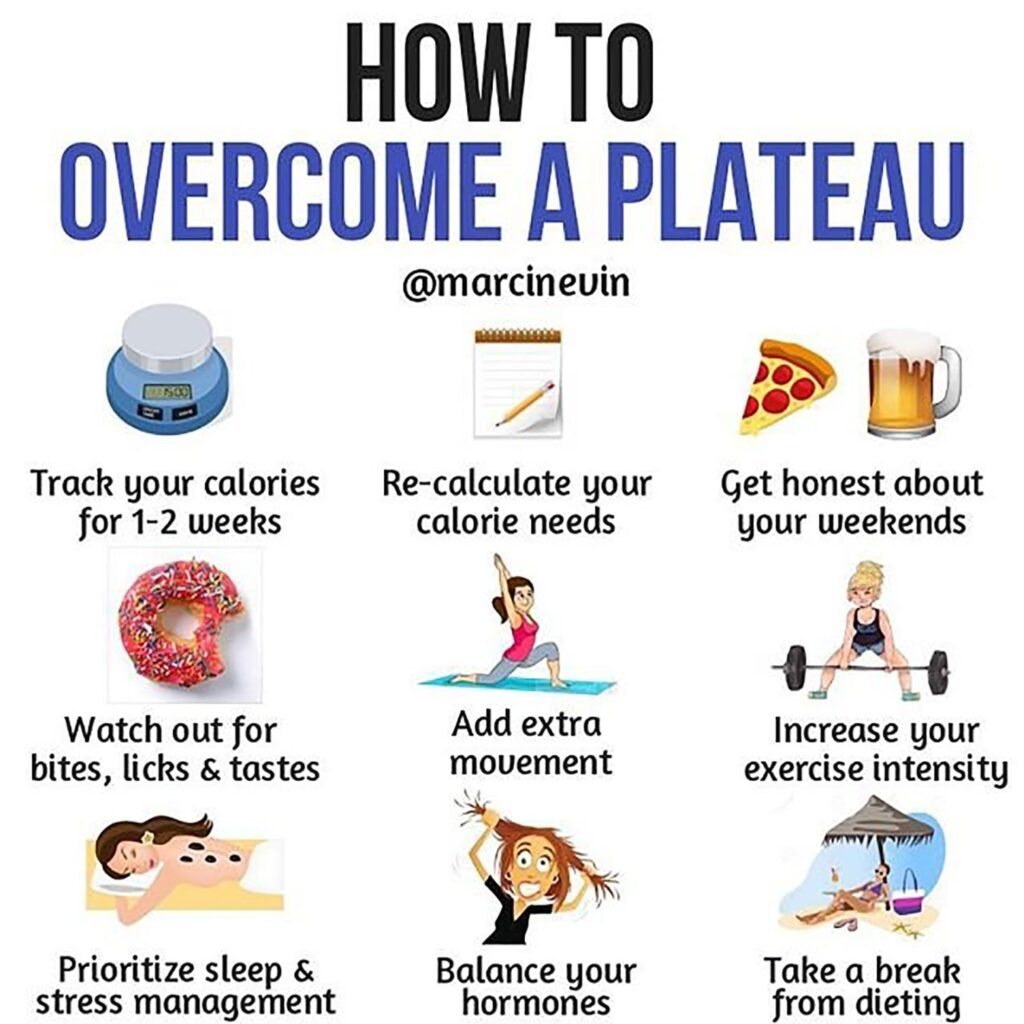
To break through a weight loss plateau, it’s important to monitor your caloric intake and expenditure. Keep a food diary or use a calorie-tracking app to record everything you eat and drink throughout the day. This will help you identify any hidden sources of calories and make necessary adjustments to create a caloric deficit.
Additionally, tracking your physical activity and exercise will give you a clearer picture of your energy expenditure. Make sure to be as accurate as possible when it comes to estimating the calories burned during exercise. By having a comprehensive overview of your intake and expenditure, you can make informed decisions and make adjustments as needed.
Adjust Your Caloric Deficit
If you’ve hit a weight loss plateau, it may be time to reevaluate your caloric deficit. As your body adjusts to a lower calorie intake, it may be necessary to create a larger deficit to continue losing weight.
Consider reducing your caloric intake by a small amount, such as 100-200 calories per day. This can be achieved by making slight modifications to your meals, such as eliminating unnecessary condiments or opting for lower-calorie alternatives. However, be mindful not to restrict your intake too severely, as this can negatively impact your energy levels and overall well-being.
Incorporate Strength Training
To overcome a weight loss plateau and prevent muscle loss, incorporate strength training exercises into your routine. Resistance exercises not only help to build and maintain muscle mass but also increase your overall metabolism.
Focus on compound exercises that target multiple muscle groups, such as squats, deadlifts, lunges, and push-ups. Aim for two to three strength training sessions per week, gradually increasing the intensity and weight as you become stronger. This will help to challenge your body and stimulate further weight loss.
Ensure Sufficient Protein Intake
Protein plays a vital role in weight loss and should not be overlooked. It helps to promote satiety, preserve lean muscle mass, and support a healthy metabolism.
Ensure that you’re consuming sufficient protein by incorporating lean sources into each meal. Aim for around 20-30 grams of protein per meal, depending on your individual needs and activity level. Additionally, consider including protein-rich snacks in your daily routine to meet your daily requirements.
Manage Stress Levels
Stress can have a significant impact on weight loss progress. Chronic stress increases cortisol levels, which can lead to weight gain and hinder fat loss.
To manage stress levels, find activities that help you relax and unwind. Engage in activities such as meditation, yoga, or deep breathing exercises to reduce stress and promote a sense of calm. Prioritize self-care activities and make time for hobbies and activities that bring you joy and help you de-stress.
Improve Sleep Quality and Duration
Adequate sleep is crucial for weight management. Lack of quality sleep can disrupt hormone regulation, increase appetite, and lead to weight gain.
Create a relaxing bedtime routine and establish a consistent sleep schedule. Aim for seven to eight hours of quality sleep each night. Create a sleep-friendly environment by ensuring your bedroom is dark, quiet, and at a comfortable temperature. Avoid electronic devices before bed, as the blue light emitted can interfere with your sleep patterns.
Monitor Hormonal Balance
If you suspect hormonal imbalances are contributing to your weight loss plateau, consult with a healthcare professional. They can evaluate your hormonal health and recommend appropriate tests to identify any underlying issues.
Based on the results, they can develop a treatment plan that may involve medication, lifestyle modifications, or hormone therapy. Monitoring and addressing hormonal imbalances can help optimize your body’s ability to lose weight.
Modify Exercise Routine
If your exercise routine has become stagnant, it may be time to shake things up. Introduce new exercises, vary the intensity, or try different types of workouts.
Consider incorporating high-intensity interval training (HIIT) into your routine, which involves short bursts of intense exercise followed by periods of rest. Alternatively, try a new fitness class or workout video to challenge your body in different ways. The key is to keep your body guessing and prevent it from adapting to your routine.
Consider Medical Conditions
If you suspect that a medical condition is hindering your weight loss progress, consult with a healthcare professional. They can assess your medical history and perform the necessary tests to determine if an underlying condition is impacting your weight loss efforts.
Based on the diagnosis, they can develop a treatment plan that addresses the medical condition while providing guidance for weight loss. It’s important to work in collaboration with your healthcare provider to ensure your overall health and well-being.
Psychological Strategies
Psychological factors play a significant role in weight loss and can impact progress. Cultivating a positive mindset, setting realistic goals, and developing healthy coping mechanisms are essential for long-term success.
Focus on building a positive body image and practicing self-acceptance. Set realistic and achievable goals, both short-term and long-term, and celebrate your progress along the way. Visualization techniques, such as imagining yourself at your desired weight or engaging in positive affirmations, can help reinforce a positive mindset.
Utilize support systems and accountability mechanisms to stay motivated. Engage with friends, family, or weight loss support groups that share similar goals. Celebrate victories and seek support during challenging times. If needed, consider working with a therapist or counselor who can provide guidance and help you navigate any emotional or psychological obstacles.
Conclusion
Experiencing a weight loss plateau is a common and frustrating part of the weight loss journey. By understanding the various causes and implementing strategies to overcome the plateau, you can break through and continue making progress towards your goals.
Be patient with yourself, stay consistent, and remember that weight loss is a journey that requires a holistic approach. By addressing underlying factors, adjusting your approach, and staying motivated, you can overcome the weight loss plateau and achieve your desired results. Remember, the key is to focus on overall health and well-being, rather than just a number on the scale.

Looking to overcome a weight loss plateau? Our comprehensive guide explores the causes and strategies to break through this frustrating phase and achieve your goals. Say goodbye to plateaus and hello to a healthier you.
