

The Role of Psychology in Food Choices
Have you ever wondered why we crave certain foods and struggle with making healthy choices? In “The Role of Psychology in Food Choices,” we explore the fascinating connection between our minds and the foods we eat. This insightful article delves into the psychology behind weight loss and dieting, shedding light on how our thoughts, emotions, and behaviors impact the way we nourish ourselves. By understanding the intricate relationship between psychology and food, we can gain valuable insights and make more conscious choices that support our overall well-being. Get ready to discover the hidden forces shaping your food choices and embark on a journey of self-discovery towards a healthier lifestyle.
The Role of Psychology in Food Choices
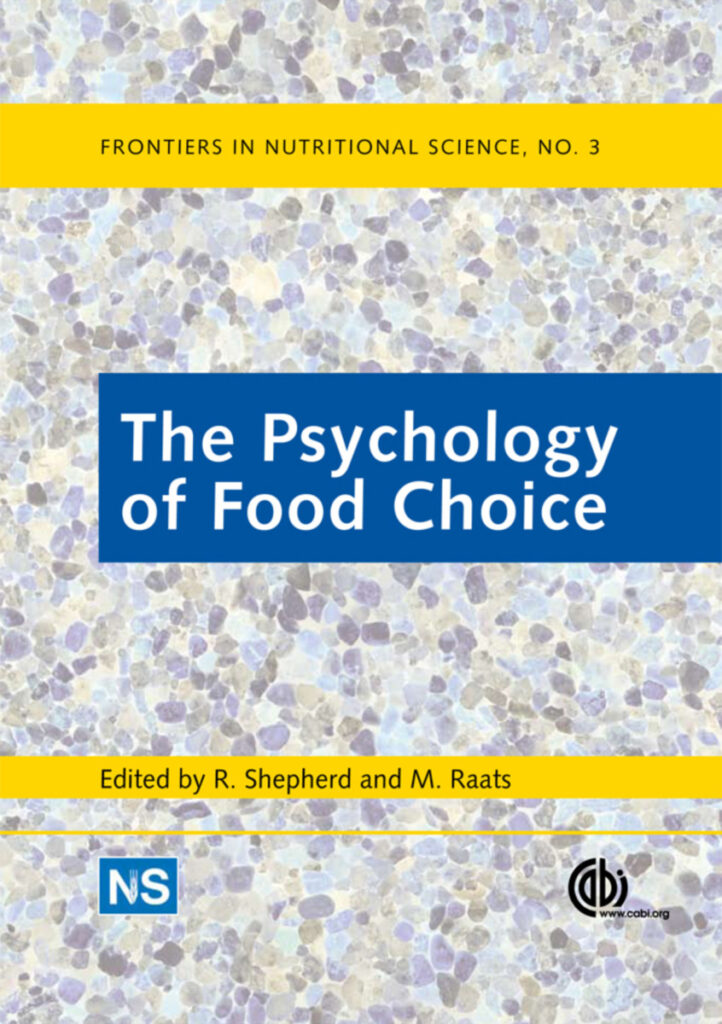
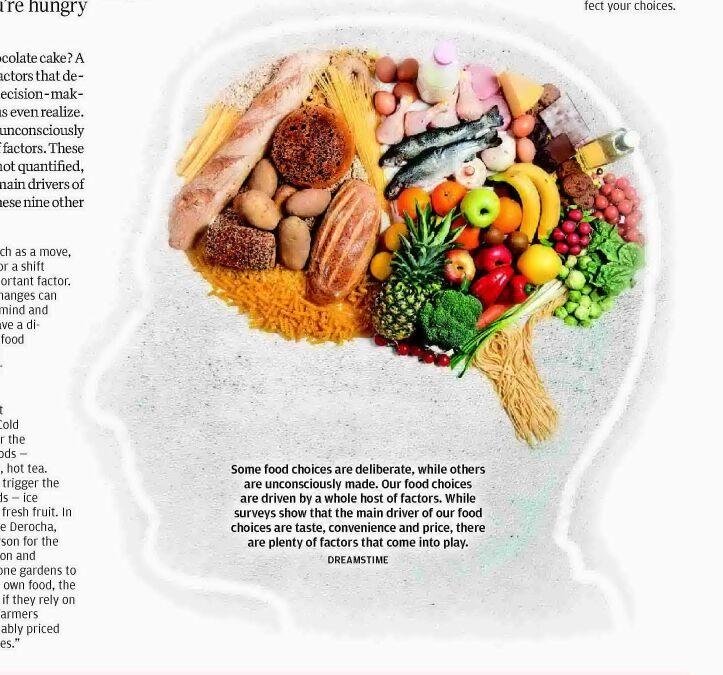
Food choices are not solely based on hunger and nutritional needs. In fact, psychology plays a crucial role in shaping what we choose to eat. Our emotions, thoughts, past experiences, and social influences all have a profound impact on our food decisions. By understanding the psychological factors that influence our food choices, we can make informed decisions about our diets and overall well-being.
Understanding Food Psychology
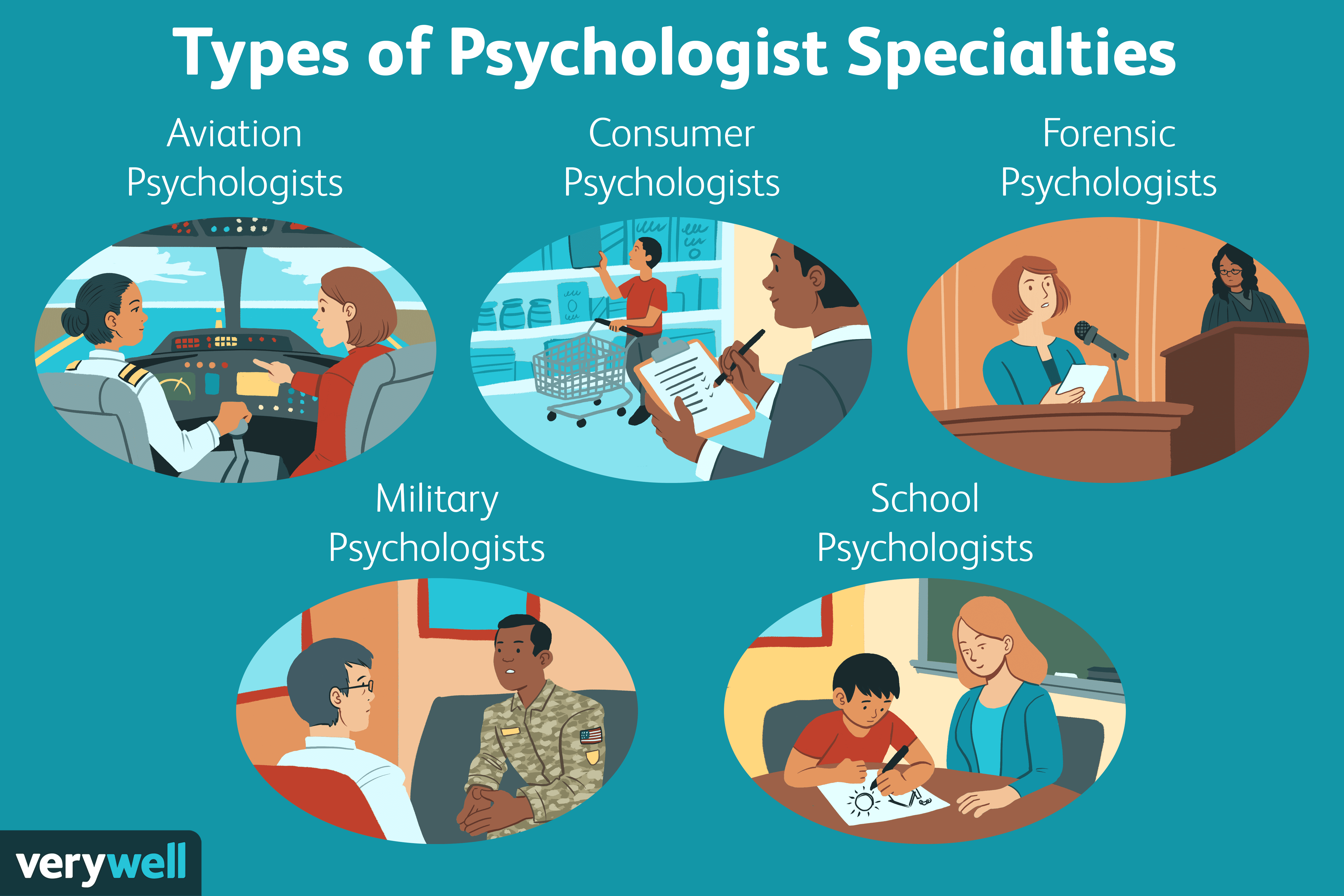
Food psychology is the study of how our minds influence our food choices. It delves into the complex relationship between our thoughts, emotions, and behaviors regarding food. By examining the psychological factors that contribute to our eating habits, researchers can gain insights into why we choose certain foods and develop strategies to encourage healthier choices.
Factors Influencing Food Choices
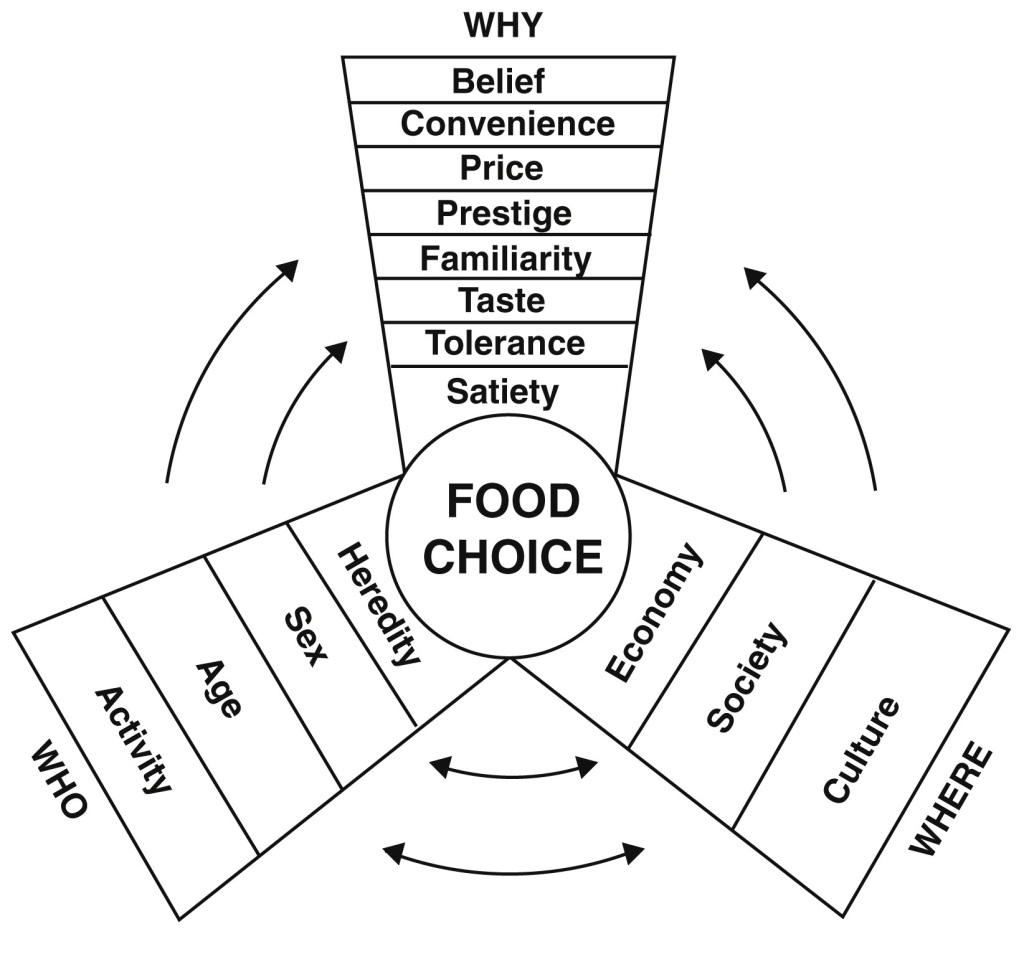
Numerous factors influence our food choices, and these can vary from person to person. Some common factors include taste preferences, cultural and environmental influences, advertising and marketing strategies, and the role of habit and routine.
Psychological Effects on Food Preferences
Our psychological state can greatly impact the foods we prefer. For example, stress and anxiety have been known to drive individuals towards comfort foods that provide a sense of relief. On the other hand, positive emotions can influence cravings for indulgent treats. By understanding these psychological effects, we can develop healthier coping mechanisms and find alternative ways to manage our emotions without relying on unhealthy food choices.
Emotional Eating
Many people turn to food as a way to cope with their emotions, a behavior referred to as emotional eating. During times of stress, sadness, or boredom, individuals may seek solace in food, often choosing high-fat, high-sugar options. This behavior can lead to weight gain and negatively impact overall health. By recognizing the emotional triggers that lead to emotional eating, individuals can explore alternative coping mechanisms and seek support to break free from this cycle.
Mindful Eating
Mindful eating is a practice that involves paying attention to the present moment and being fully aware of the foods we consume. By slowing down and savoring each bite, we can enjoy our meals more fully and become more attuned to our body’s signals of hunger and fullness. This practice can help individuals make healthier food choices, prevent overeating, and cultivate a more positive relationship with food.
The Impact of Social Influences
Our social environment has a significant impact on our food choices. Friends, family, and colleagues can greatly influence the types of foods we consume. For example, if a close friend regularly orders unhealthy takeout, we may be more likely to follow suit. By surrounding ourselves with individuals who prioritize healthy eating habits and supportive food choices, we can positively influence one another and make more mindful decisions.
Advertising and Marketing Strategies
Advertising and marketing tactics also heavily influence our food choices. Companies invest significant resources in creating persuasive campaigns that tap into our desires, emotions, and cravings. Highly visual and enticing food advertisements can create a sense of urgency and influence us to make impulsive purchases. By recognizing these marketing strategies and being more mindful of our responses to advertisements, we can make more informed food choices and resist the urge to succumb to marketing tactics.
Cultural and Environmental Factors
Our cultural upbringing and the environment in which we live play a substantial role in shaping our food preferences. Foods that are part of our cultural heritage often hold a special significance and evoke feelings of nostalgia and comfort. Additionally, the availability of certain foods, such as fast food restaurants, within our environment can influence our choices. By acknowledging the cultural and environmental factors that affect our food choices, we can make more conscious decisions and explore a diverse range of nutritious options.

The Psychology of Taste
The psychology of taste examines how our preferences for certain flavors and textures develop. Our genetics, past experiences, and cultural upbringing all contribute to our individual taste preferences. For example, some people may have a stronger preference for sweet flavors due to their genetic makeup, while others may find comfort in salty or savory foods. Understanding the psychology of taste can help us make healthier choices by exploring alternative flavors and expanding our palate.
The Role of Habit and Routine
Habits and routines have a powerful influence on our food choices. We are creatures of habit, often relying on familiar foods and eating patterns. This can be both beneficial and detrimental to our overall health. By developing positive habits and routines that prioritize nutritious foods, we can create long-lasting changes in our diets. Breaking unhealthy habits and replacing them with healthier alternatives can be challenging but is essential for our well-being.
In conclusion, psychology plays a significant role in our food choices. Understanding the psychological factors that influence our eating behaviors allows us to make informed decisions and develop strategies to improve our overall health and well-being. By addressing emotional eating, practicing mindful eating, considering social influences, being mindful of advertising tactics, acknowledging cultural and environmental factors, understanding the psychology of taste, and consciously shaping our habits and routines, we can create a positive and balanced approach to our diets. Remember, your food choices have the power to nourish your mind and body, so choose wisely and embrace the psychology behind your decisions.

Discover the fascinating connection between psychology and food choices. Explore the role of emotions, thoughts, and habits in shaping your diet. Gain valuable insights for a healthier lifestyle.
