


Post-Workout Nutrition: The Key to Weight Loss and Optimal Recovery
Are you looking for the secret to maximizing your workouts and achieving your weight loss goals? Look no further than post-workout nutrition. The food and beverages you consume immediately after exercising play a crucial role in your body’s recovery and help facilitate weight loss. In this article, we will explore the importance of post-workout nutrition and provide you with valuable insights on what to eat to optimize your recovery and enhance your weight loss journey. So if you’re ready to take your workouts and results to the next level, let’s dive into the world of post-workout nutrition.
Importance of Post-Workout Nutrition
Fueling Your Body
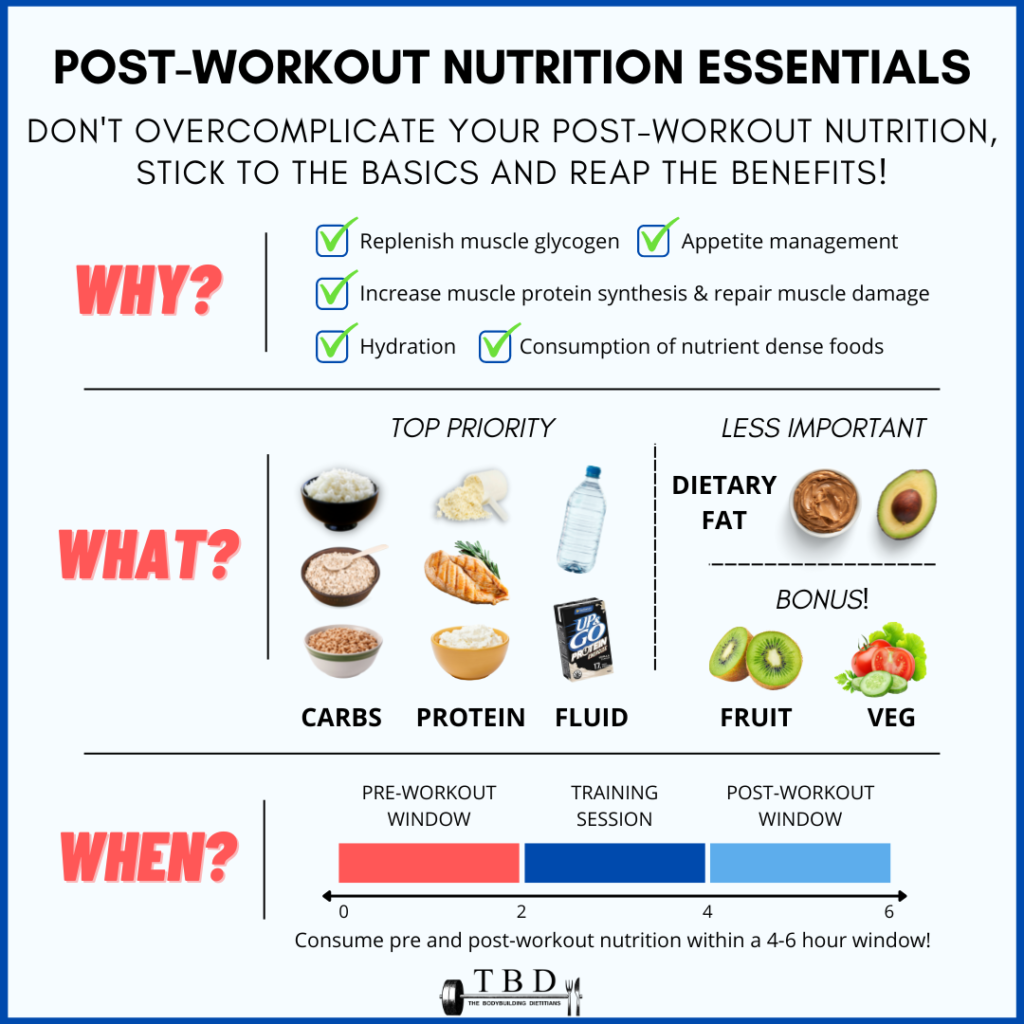
After a strenuous workout, your body has used up a significant amount of energy, and it’s important to replenish those energy stores. Post-workout nutrition is crucial in fueling your body and replenishing glycogen levels. Glycogen is the primary source of energy for your muscles, and without adequate replenishment, your body can become fatigued and your performance can suffer.
Muscle Recovery
One of the main benefits of post-workout nutrition is its role in muscle recovery. During exercise, your muscles undergo microtears, and proper nutrition helps repair and rebuild them. Consuming the right nutrients after your workout can help optimize the recovery process, reduce muscle soreness, and promote muscle growth and strength.
Boosting Metabolism
Another important aspect of post-workout nutrition is its impact on your metabolism. After a workout, your metabolic rate is elevated, which means your body continues to burn calories at a higher rate. By providing your body with the right nutrients, you can maximize this post-workout metabolic boost and enhance weight loss efforts.
Aiding Weight Loss
For those looking to shed excess pounds, post-workout nutrition plays a crucial role. While exercise alone can contribute to weight loss, combining it with proper nutrition can significantly enhance the results. Post-workout nutrition helps preserve and build lean muscle mass, which in turn increases your metabolic rate and promotes the loss of body fat.
Timing
Immediate Post-Workout Nutrition
The timing of your post-workout meal or snack is vital. Consuming nutrients within a specific timeframe after your workout helps optimize the benefits of post-workout nutrition. It is generally recommended to consume a meal or snack within 30 minutes to two hours after completing your workout. This window of time is when your body is most receptive to absorbing and utilizing nutrients for recovery.
Extended Recovery Nutrition
While immediate post-workout nutrition is crucial, it’s important to note that the recovery process continues beyond those initial hours. Including additional nutritional support throughout the day can further aid muscle recovery, optimize glycogen replenishment, and promote sustained energy levels. This extended recovery nutrition can involve well-balanced meals and snacks spread throughout the day, ensuring your body has a constant supply of nutrients.
Key Nutrients for Post-Workout Nutrition
Protein
Protein is an essential macronutrient for muscle recovery and growth. It provides the building blocks (amino acids) necessary for repairing and rebuilding muscles after exercise. It’s recommended to consume a quality source of protein after your workout to stimulate muscle protein synthesis and initiate the repair process. Good sources of protein include lean meats, poultry, fish, eggs, dairy products, legumes, and plant-based protein options like soy, tofu, and tempeh.
Carbohydrates
Carbohydrates are another critical component of post-workout nutrition. They replenish glycogen stores, restore energy levels, and support muscle recovery. Complex carbohydrates, such as whole grains, fruits, and vegetables, are ideal choices as they provide a steady release of energy. Including a source of carbohydrates in your post-workout meal or snack is vital for optimal recovery.
Healthy Fats
While carbohydrates and protein often take the spotlight in post-workout nutrition, healthy fats should not be overlooked. They play a crucial role in satiety, helping you feel satisfied and full after your workout. In addition, healthy fats are essential for nutrient absorption, as certain vitamins and minerals are fat-soluble. Incorporate sources of healthy fats such as avocados, nuts, seeds, and olive oil into your post-workout meal to reap these benefits.
Vitamins and Minerals
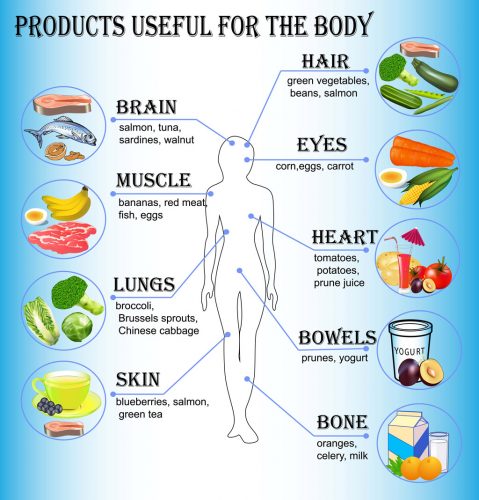
Micronutrients such as vitamins and minerals are essential for optimal recovery and overall health. Vitamins like vitamin C and vitamin E have antioxidant properties, which can help reduce exercise-induced oxidative stress. Minerals like calcium, magnesium, and potassium are vital for muscle function, and their adequate intake aids in muscle recovery. Include a variety of fruits, vegetables, whole grains, and dairy products in your post-workout meal to ensure you’re getting a wide range of vitamins and minerals.
Water and Hydration
Hydration is one of the most critical aspects of post-workout nutrition. During exercise, you lose fluids through sweat, and it’s crucial to replenish these fluids to avoid dehydration. Incorporating water into your post-workout routine is essential, as it helps transport nutrients to your cells and aids in the recovery process. Additionally, staying hydrated can support weight loss efforts by promoting a feeling of fullness and reducing the likelihood of overeating.
Protein for Muscle Recovery and Weight Loss
Protein Synthesis
Protein synthesis is the process by which your body builds new proteins to repair and rebuild muscle tissue. Consuming an adequate amount of protein after your workout stimulates protein synthesis, leading to muscle repair and growth. Including protein in your post-workout nutrition is crucial to optimize these processes.
Ideal Protein Intake
The ideal protein intake after a workout varies depending on factors such as body weight, activity level, and specific goals. As a general guideline, aim for 20-30 grams of protein within the first hour after your workout. This amount has been shown to maximize muscle protein synthesis and support recovery. However, individual needs may differ, so it’s essential to listen to your body and adjust your protein intake accordingly.
Plant-Based Protein Options
For those following a plant-based or vegetarian diet, getting an adequate amount of protein after a workout is still achievable. Plant-based protein sources like soy, lentils, quinoa, and chickpeas provide all the essential amino acids your body needs for muscle recovery. Including a variety of these protein-rich foods in your post-workout meals or snacks can help meet your protein needs.
Whey Protein
Whey protein, derived from milk, is a popular option for post-workout nutrition. It’s easily digested and absorbed, making it an excellent choice for immediate protein delivery to your muscles. Whey protein is also rich in essential amino acids and branched-chain amino acids (BCAAs), which play a crucial role in muscle recovery and growth. If you tolerate dairy, incorporating whey protein into your post-workout routine can be a convenient and effective way to meet your protein needs.
Timing Your Protein Intake
To maximize the benefits of protein for muscle recovery and weight loss, timing is key. As mentioned earlier, consuming protein within the first hour after your workout is recommended to optimize muscle protein synthesis. However, spreading your protein intake throughout the day is also important. Including a source of protein in each of your meals and snacks can help promote muscle recovery, reduce muscle breakdown, and support satiety.
Carbohydrates for Energy and Recovery
Role of Carbohydrates
Carbohydrates play a vital role in post-workout nutrition as they are the primary source of energy for your muscles. During exercise, your body depletes its glycogen stores, and consuming carbohydrates after your workout helps replenish those stores and restore energy levels. Adequate carbohydrate intake is crucial for optimal recovery, sustained energy, and overall performance.
Choosing the Right Carbohydrates
Not all carbohydrates are created equal, and it’s important to choose the right ones for your post-workout nutrition. Opt for complex carbohydrates, such as whole grains, fruits, and vegetables, instead of simple sugars. Complex carbohydrates provide a more gradual release of energy, helping to stabilize blood sugar levels and maintain sustained energy throughout the day.
Glycogen Replenishment
Glycogen replenishment is a key aspect of post-workout nutrition. Glycogen is stored in your muscles and liver, and maintaining adequate glycogen levels is crucial for optimal exercise performance and recovery. Consuming a carbohydrate-rich meal or snack after your workout helps restore glycogen levels, ensuring your body has the necessary energy stores for future workouts.
Timing Your Carbohydrate Intake
Similar to protein timing, the timing of your carbohydrate intake matters for optimal recovery. Consuming carbohydrates within the first hour after your workout helps facilitate glycogen synthesis and storage. This immediate post-workout carbohydrate consumption is particularly important for endurance athletes or those who engage in prolonged, intense exercise. However, including carbohydrates in subsequent meals and snacks throughout the day can further support glycogen replenishment and sustained energy levels.
Healthy Fats for Satiety and Nutrient Absorption
Importance of Healthy Fats
While carbohydrates and protein are typically the stars of post-workout nutrition, healthy fats also play a crucial role in supporting recovery and overall health. Healthy fats are vital for the absorption of fat-soluble vitamins (vitamins A, D, E, and K) and help regulate inflammation in the body. Including sources of healthy fats in your post-workout meals helps promote satiety, aiding in weight loss efforts.
Omega-3 Fatty Acids
Omega-3 fatty acids are a type of healthy fat that has gained significant attention for their numerous health benefits. These fats have anti-inflammatory properties, which can aid in post-workout recovery by reducing exercise-induced inflammation. Incorporate foods rich in omega-3 fatty acids, such as fatty fish (salmon, mackerel, trout), walnuts, chia seeds, and flaxseeds, into your post-workout meal to reap these benefits.
Sources of Healthy Fats
Including sources of healthy fats in your post-workout nutrition is relatively easy. Foods like avocados, nuts (almonds, pistachios, walnuts), seeds (chia seeds, flaxseeds), and olive oil are excellent options. These foods not only provide healthy fats but also offer additional nutrients that contribute to optimal recovery and overall health. Be mindful of portion sizes to maintain a balanced approach to your post-workout nutrition.
Vitamins and Minerals for Optimal Recovery
Importance of Micronutrients
While macronutrients (protein, carbohydrates, and fats) play a significant role in post-workout nutrition, it’s essential not to overlook the importance of micronutrients. Vitamins and minerals are essential for various processes in your body, including recovery, energy production, and immune function. Ensuring adequate intake of these micronutrients is crucial for optimal recovery and overall health.
Key Vitamins for Recovery
Several vitamins play a specific role in post-workout recovery. Vitamin C is an antioxidant that helps reduce exercise-induced oxidative stress and supports immune function. Vitamin E also has antioxidant properties and aids in muscle repair and recovery. B vitamins, particularly B6 and B12, are involved in energy production and metabolism, making them crucial for post-workout recovery. Including a variety of fruits, vegetables, whole grains, and lean meats in your post-workout meal helps ensure you’re getting these essential vitamins.
Key Minerals for Recovery
Similar to vitamins, minerals are essential for post-workout recovery. Magnesium is involved in muscle function and helps reduce muscle cramps and soreness. Calcium plays a role in muscle contraction and can aid in muscle recovery. Potassium is important for fluid balance and supports proper muscle and nerve function. Incorporate foods like leafy greens, dairy products, nuts, seeds, and bananas into your post-workout nutrition to ensure you’re getting an adequate intake of these essential minerals.
Food Sources
Eating a varied and balanced diet is the best way to ensure you’re getting a wide range of vitamins and minerals for optimal recovery. Fruits and vegetables are excellent sources of vitamins and minerals, so aim to include a colorful variety in your post-workout nutrition. Additionally, lean meats, fish, dairy products, whole grains, nuts, and seeds contribute to meeting your micronutrient needs. If you are concerned about your intake or have specific dietary restrictions, consulting with a registered dietitian can help you tailor your post-workout nutrition for optimal recovery.
Hydration for Recovery and Weight Loss
Importance of Hydration
Hydration is crucial for overall health and well-being, and it becomes even more critical during and after exercise. Dehydration can hinder performance, delay recovery, and even lead to serious health complications. Proper hydration supports various bodily functions, including nutrient transport, temperature regulation, and joint lubrication.
Replacing Fluids and Electrolytes
During exercise, your body loses fluids through sweat, and it’s essential to replace those fluids to maintain proper hydration levels. Water should be your go-to beverage after a workout as it helps rehydrate your body without adding unnecessary calories. However, depending on the intensity and duration of your workout, you may also need to replace electrolytes that are lost through sweat. Electrolytes such as sodium, potassium, and magnesium help maintain fluid balance and support muscle function. Consuming electrolyte-rich fluids or incorporating electrolyte-replenishing foods, such as coconut water or a sports drink, can help replace these lost minerals.
Water vs. Sports Drinks
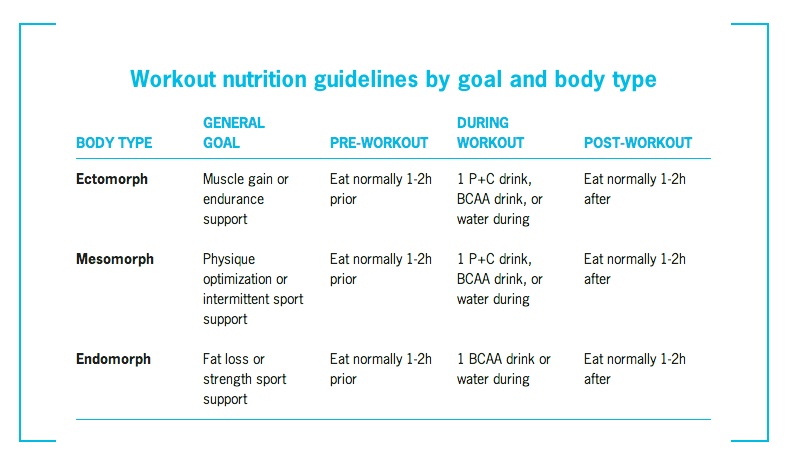
For most individuals engaging in moderate-intensity exercise, water is typically sufficient for rehydration. However, for prolonged, intense workouts lasting longer than an hour, sports drinks may be beneficial for replacing electrolytes and maintaining hydration. Sports drinks provide a combination of fluids, carbohydrates, and electrolytes that can aid in replenishing and maintaining hydration levels during these more demanding workouts. It’s essential to read the labels and choose sports drinks that have minimal added sugars and are lower in calories.
Supplements for Post-Workout Nutrition
Protein Supplements
Protein supplements, such as protein powders or shakes, are a popular choice for individuals looking to optimize their post-workout nutrition. These supplements provide a convenient and efficient way to meet your protein needs, especially if you have difficulty consuming enough protein through whole foods alone. Whey protein, casein protein, and plant-based protein powders are common options that can be easily incorporated into your post-workout routine.
Branched-Chain Amino Acids (BCAAs)
BCAAs are a group of essential amino acids (leucine, isoleucine, and valine) that play a crucial role in muscle protein synthesis and recovery. BCAA supplements are often used to enhance post-workout nutrition and promote muscle growth and repair. These supplements can be particularly beneficial for individuals following a lower protein diet or those who prefer a low-calorie alternative to protein supplements.
Creatine
Creatine is a naturally occurring compound in the body that is involved in energy production during high-intensity exercise. Supplementing with creatine has been shown to increase muscle strength, power, and overall athletic performance. While creatine is not directly related to post-workout nutrition, it can be included as part of your overall supplementation regimen to enhance recovery and performance.
Glutamine
Glutamine is an amino acid that plays a vital role in muscle recovery and immune system function. During intense exercise, glutamine levels in the body can become depleted. Supplementing with glutamine may help support muscle recovery and reduce muscle soreness after workouts. Glutamine supplements are commonly available in powder or capsule form.
Multivitamin Supplements
If you’re concerned about meeting your vitamin and mineral needs through food alone, multivitamin supplements can provide added assurance. A high-quality multivitamin can help fill in any potential nutrient gaps and support overall health and recovery. However, it’s important to remember that supplements should not replace a balanced diet but rather complement it.
Creating a Balanced Post-Workout Meal
Including Protein, Carbohydrates, and Healthy Fats
To create a balanced post-workout meal, aim to include a source of protein, carbohydrates, and healthy fats. This combination provides the necessary nutrients for muscle repair and recovery, replenishes energy stores, and supports optimal health. For example, a post-workout meal could consist of grilled chicken (protein), quinoa (carbohydrate), mixed vegetables sautéed in olive oil (healthy fat), and a side of fruit for added vitamins and hydration.
Example Meal Ideas
Here are a few examples of balanced post-workout meals that incorporate protein, carbohydrates, and healthy fats:
- Salmon with roasted sweet potatoes, steamed broccoli, and a side salad with avocado.
- Tofu stir-fry with brown rice, mixed vegetables, and a drizzle of sesame oil.
- Greek yogurt topped with fresh berries, a sprinkle of nuts or seeds, and a drizzle of honey.
- Turkey wrap with whole wheat tortilla, lettuce, tomato, avocado, and a side of raw veggies.
- Quinoa salad with grilled chicken, cucumber, cherry tomatoes, feta cheese, and a lemon vinaigrette.
Pre-Made Post-Workout Meals
If you’re short on time or prefer the convenience of pre-made meals, there are options available that meet the requirements of a balanced post-workout meal. Look for pre-packaged meals or meal delivery services that include a combination of protein, carbohydrates, and healthy fats. Just ensure that the ingredients and nutritional composition align with your dietary preferences and goals.
In conclusion, post-workout nutrition plays a vital role in optimizing recovery, supporting weight loss efforts, and enhancing overall health. Fueling your body with the right nutrients, timing your meals or snacks appropriately, and ensuring adequate hydration are key aspects of effective post-workout nutrition. By prioritizing protein, carbohydrates, healthy fats, vitamins, minerals, and hydration, you can maximize the benefits of your workouts and achieve your desired fitness goals. Remember, each person’s nutritional needs may vary, so it’s important to listen to your body, consult with a healthcare professional, or seek guidance from a registered dietitian to tailor your post-workout nutrition to your individual needs.
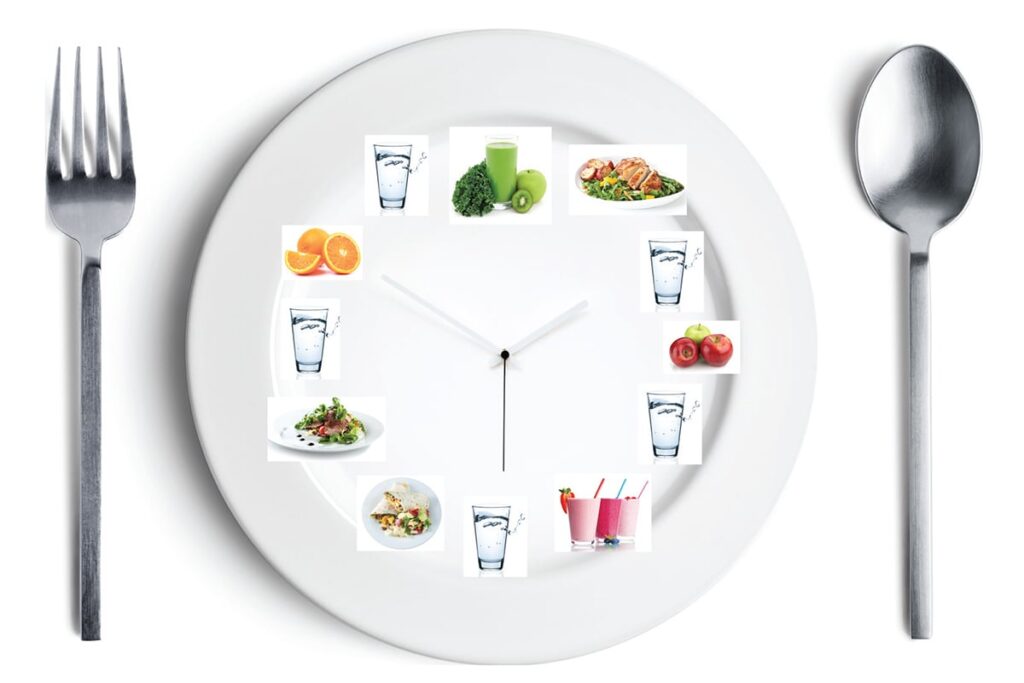
Discover the importance of post-workout nutrition for weight loss and recovery. Learn what to eat to optimize your results. Dive into the world of post-workout nutrition.
