

The Benefits of Exploring the Ketogenic Diet
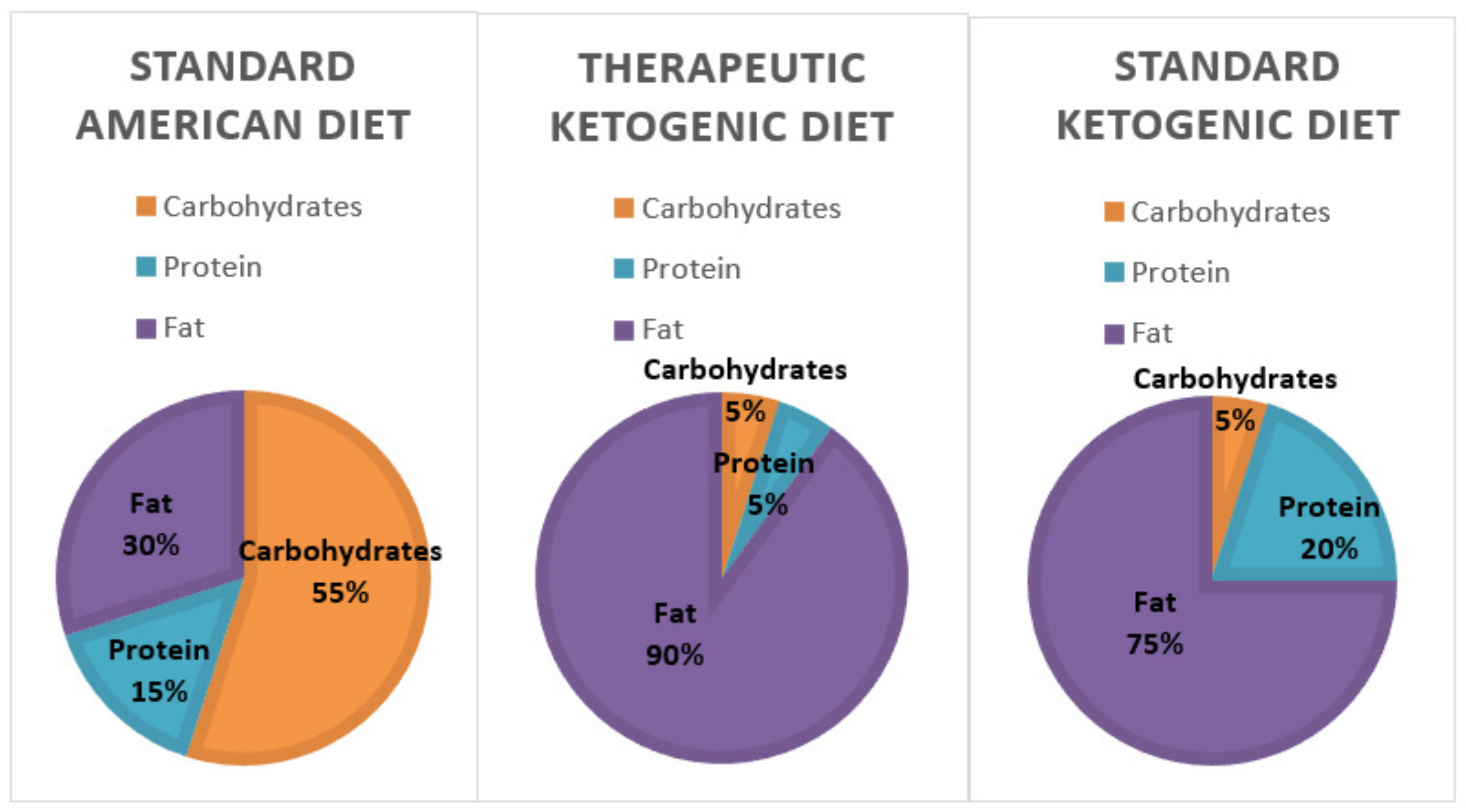
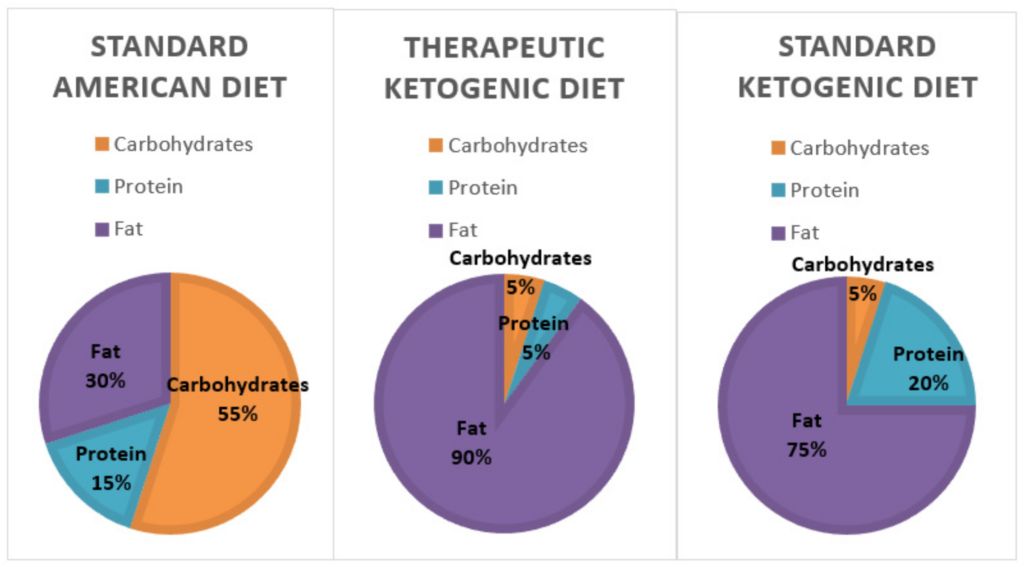
If you’re on the lookout for a weight loss solution that offers more than just a number on the scale, then the Ketogenic Diet might be worth exploring. This low-carb, high-fat eating plan has been gaining popularity for its potential benefits beyond shedding unwanted pounds. From increased energy levels to improved mental clarity, the Ketogenic Diet offers a range of advantages that go beyond just weight loss. In this article, we’ll delve into the benefits of this dietary approach and explore how it can transform your health and well-being. So, grab a cup of tea, get comfortable, and get ready to discover the wonders of the Ketogenic Diet!
Weight Loss
Increased fat burning
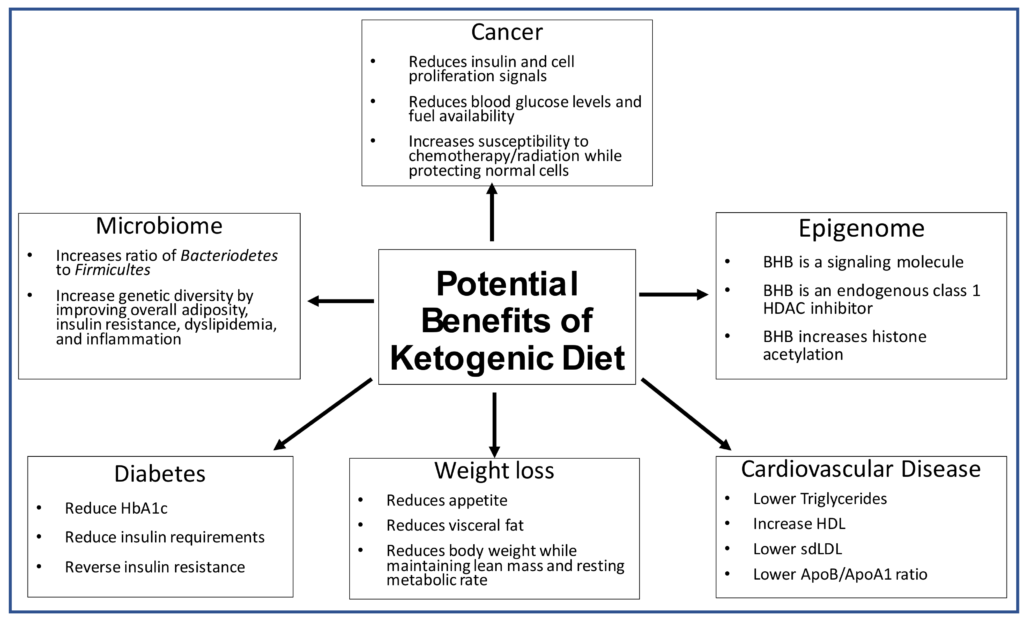
The ketogenic diet has been shown to promote increased fat burning in the body. When you consume a low-carbohydrate, high-fat diet, your body enters a metabolic state called ketosis. In this state, your body begins to use stored fat as its primary source of fuel, rather than relying on carbohydrates. This increased fat burning can lead to weight loss over time.
Reduced appetite
One of the key benefits of the ketogenic diet is its ability to reduce appetite. When you consume a diet high in carbohydrates, your blood sugar levels spike, leading to a rapid rise in insulin levels and subsequent hunger cravings. However, the ketogenic diet focuses on minimizing carbohydrate intake and increasing fat consumption, which helps to stabilize blood sugar levels and control hunger. This reduction in appetite can make it easier for you to stick to your weight loss goals and make healthier food choices.
Preservation of muscle mass
When you embark on a weight loss journey, it’s important to preserve muscle mass while losing fat. The ketogenic diet has been shown to help with muscle preservation due to the high protein intake it promotes. By consuming an adequate amount of protein and maintaining a calorie deficit, you can promote fat loss while preserving your hard-earned muscle mass. This is crucial for maintaining a lean and toned physique.
Improved Blood Sugar Control
Decreased insulin levels
One of the major benefits of the ketogenic diet for those with diabetes or insulin resistance is its ability to decrease insulin levels. By reducing carbohydrate intake and increasing fat consumption, the ketogenic diet helps to stabilize blood sugar levels. This means less reliance on insulin production and a decreased risk of developing insulin resistance over time. By managing your blood sugar levels more effectively, you can reduce your risk of developing chronic diseases such as type 2 diabetes.
Stabilized blood sugar levels
In addition to decreasing insulin levels, the ketogenic diet also helps stabilize blood sugar levels. When you consume carbohydrates, they are broken down into glucose, which causes a spike in blood sugar levels. However, when you follow a ketogenic diet and consume primarily fats and a moderate amount of protein, your blood sugar levels remain stable as fat and protein are not converted into glucose as rapidly. This stability in blood sugar levels can help prevent energy crashes, mood swings, and cravings commonly associated with fluctuations in blood sugar.
Enhanced Mental Focus
Increased energy supply to the brain
The ketogenic diet has been found to provide an enhanced energy supply to the brain. When you consume carbohydrates, your body converts them into glucose, which serves as the primary fuel source for your brain. However, on a ketogenic diet, where carbohydrates are restricted, your body starts utilizing ketones, which are produced from fat breakdown, as an alternative source of energy for the brain. This switch to ketones as fuel has been shown to enhance brain function and improve mental focus.
Improved cognitive function
In addition to increased energy supply, the ketogenic diet has also been associated with improved cognitive function. Ketones, the byproducts of fat breakdown, act as a more efficient fuel for the brain compared to glucose. This provides a steady and reliable energy source, leading to improved mental clarity, concentration, and memory retention. Additionally, the ketogenic diet has been found to be beneficial in neurodegenerative conditions such as Alzheimer’s disease, potentially slowing down cognitive decline.
Increased Physical Endurance
Enhanced utilization of fat for energy
The ketogenic diet trains your body to effectively utilize fat as a source of energy during exercise, which can enhance your physical endurance. When you consume a diet high in carbohydrates, your body primarily relies on glucose for its energy needs. However, when you follow a ketogenic diet and restrict carbohydrates, your body enters a state of ketosis where it begins to utilize stored fat as its primary energy source. This allows you to tap into an almost limitless supply of energy, leading to increased endurance and prolonged physical performance.
Reduced reliance on carbohydrates during exercise
By following a ketogenic diet, you can reduce your reliance on carbohydrates during exercise. This is particularly beneficial for endurance athletes who often have to consume large amounts of carbohydrates to maintain their performance. The ketogenic diet teaches your body to efficiently utilize fat as fuel, sparing glycogen (stored glucose) for when it is really needed. This means that you can maintain a consistent level of energy throughout your workout without experiencing the energy crashes that often occur when relying on carbohydrates alone.

Better Cholesterol Levels
Increased HDL cholesterol
The ketogenic diet has been shown to increase levels of high-density lipoprotein (HDL) cholesterol, also known as “good” cholesterol. HDL cholesterol plays a crucial role in cardiovascular health as it helps transport low-density lipoprotein (LDL) cholesterol away from the arteries and back to the liver for processing. By increasing HDL cholesterol levels, the ketogenic diet promotes a healthier lipid profile and reduces the risk of heart disease.
Decreased LDL cholesterol
In addition to increasing HDL cholesterol, the ketogenic diet has also been found to decrease levels of low-density lipoprotein (LDL) cholesterol, commonly referred to as “bad” cholesterol. High levels of LDL cholesterol are associated with an increased risk of heart disease and atherosclerosis. By following a ketogenic diet and reducing carbohydrate intake, you can help lower your LDL cholesterol levels and promote better cardiovascular health.
Reduced triglyceride levels
Triglycerides are a type of fat that circulates in your bloodstream. High levels of triglycerides are often associated with an increased risk of cardiovascular disease. The ketogenic diet has been shown to significantly reduce triglyceride levels in the bloodstream, leading to improved heart health. By promoting a decrease in triglyceride levels, the ketogenic diet can help prevent the development of heart disease and other related conditions.
Reduced Inflammation
Lower levels of inflammatory markers
Inflammation is the body’s natural response to injury or infection, but chronic inflammation can contribute to the development of various diseases. The ketogenic diet has been found to reduce levels of inflammatory markers in the body, such as C-reactive protein (CRP) and interleukin-6 (IL-6). By decreasing inflammation, the ketogenic diet can help improve symptoms associated with inflammatory conditions such as arthritis, asthma, and autoimmune disorders.
Improved symptoms of inflammatory conditions
In addition to lowering inflammatory markers, the ketogenic diet has also been shown to improve symptoms of inflammatory conditions. Many individuals with conditions such as rheumatoid arthritis, inflammatory bowel disease (IBD), and psoriasis have reported a reduction in symptoms when following a ketogenic diet. The anti-inflammatory properties of the diet can alleviate pain, swelling, and discomfort associated with these conditions, leading to improved overall well-being.
Epilepsy Management
Seizure control for some individuals
The ketogenic diet originated as a therapeutic intervention for individuals with epilepsy, particularly those who did not respond well to traditional medication. Studies have shown that the ketogenic diet can be an effective tool in reducing the frequency and severity of seizures in individuals with epilepsy. The exact mechanisms of how the diet works in epilepsy management are still not fully understood, but the high fat, low carbohydrate nature of the diet is believed to contribute to its anti-seizure effects.
Decreased frequency and severity of seizures
By following a ketogenic diet, some individuals with epilepsy have experienced a significant decrease in both the frequency and severity of their seizures. It is believed that the ketones produced during the diet have a protective effect on the brain, reducing the hyperexcitability of neurons that can lead to seizures. While the ketogenic diet may not be a cure for epilepsy, it can be a valuable tool in managing the condition and improving the quality of life for those affected.
Potential Cancer Fighting Properties
Restricts tumor growth
Emerging research suggests that the ketogenic diet may have potential cancer-fighting properties. This is because cancer cells primarily rely on glucose metabolism for energy, and by following a low-carbohydrate ketogenic diet, you can restrict the availability of glucose to cancer cells. Additionally, ketones produced during the ketogenic diet have been shown to have a toxic effect on cancer cells, further inhibiting their growth and spread. While more research is needed in this area, the ketogenic diet shows promise as an adjunct therapy for cancer treatment.
May help with chemotherapy side effects
Chemotherapy is a commonly used treatment for cancer, but it often comes with a range of side effects such as nausea, vomiting, and fatigue. The ketogenic diet has been found to potentially help alleviate some of these side effects. Because the ketogenic diet helps to stabilize blood sugar levels and promote ketone production, it can provide a steady and reliable source of energy for the body during chemotherapy. This can help mitigate the fatigue commonly associated with treatment and improve overall well-being.

Improved Digestive Health
Reduced symptoms of digestive disorders
Many individuals with digestive disorders such as irritable bowel syndrome (IBS) and acid reflux have reported a reduction in symptoms when following a ketogenic diet. The restricted carbohydrate intake and increased intake of healthy fats and fiber can help soothe gastrointestinal inflammation and promote regular bowel movements. By eliminating common trigger foods and focusing on nutrient-dense whole foods, the ketogenic diet can provide relief from digestive discomfort.
Balanced gut microbiota
The ketogenic diet may also promote a balanced gut microbiota, which is crucial for digestive health. The gut microbiota consists of trillions of microorganisms that live in your digestive tract and play a key role in nutrient absorption and overall well-being. Studies have shown that the ketogenic diet can positively influence the composition and diversity of gut bacteria, leading to a healthier gut environment. A balanced gut microbiota can enhance digestion, strengthen the immune system, and contribute to overall digestive health.
Overall Health and Well-Being
Increased energy levels
One of the most noticeable effects of the ketogenic diet is the increase in energy levels. By relying on fat as the primary source of fuel, you can tap into a more consistent and sustainable energy supply throughout the day. Unlike the energy crashes associated with blood sugar fluctuations, the ketogenic diet provides a steady stream of energy, allowing you to feel more alert, focused, and productive.
Stabilized mood
The ketogenic diet has been found to stabilize mood and improve emotional well-being. By reducing the consumption of refined carbohydrates and sugar, you can avoid the highs and lows associated with blood sugar spikes. In turn, this helps regulate neurotransmitter levels in the brain, such as serotonin, which plays a role in mood regulation. Individuals following a ketogenic diet have reported feeling more balanced, less irritable, and experiencing an overall improvement in their emotional state.
Improved sleep quality
Sleep is essential for overall health and well-being, and the ketogenic diet has been shown to improve sleep quality in some individuals. The stable blood sugar levels achieved through the diet can help prevent disturbances in sleep, such as waking up due to fluctuations in blood sugar levels. Additionally, the increase in energy levels and mental clarity throughout the day can contribute to better sleep quality at night. Adequate sleep is crucial for recovery, hormone regulation, and cognitive function, making it an important aspect of overall health.
In conclusion, the ketogenic diet offers a wide range of benefits that extend beyond just weight loss. From increased fat burning and reduced appetite to improved blood sugar control and enhanced mental focus, the ketogenic diet can positively impact various aspects of your health. Additionally, the diet has shown potential in managing conditions such as epilepsy, reducing inflammation, and even potentially fighting cancer. With its focus on whole foods, balance, and healthy fats, the ketogenic diet can help promote overall health and well-being. Remember to consult with a healthcare professional before making any major dietary changes to ensure it is suitable for your specific needs and goals.

Discover the various benefits of the Ketogenic Diet beyond weight loss. From increased energy to better mental focus, this article explores how it can transform your health and well-being.
