

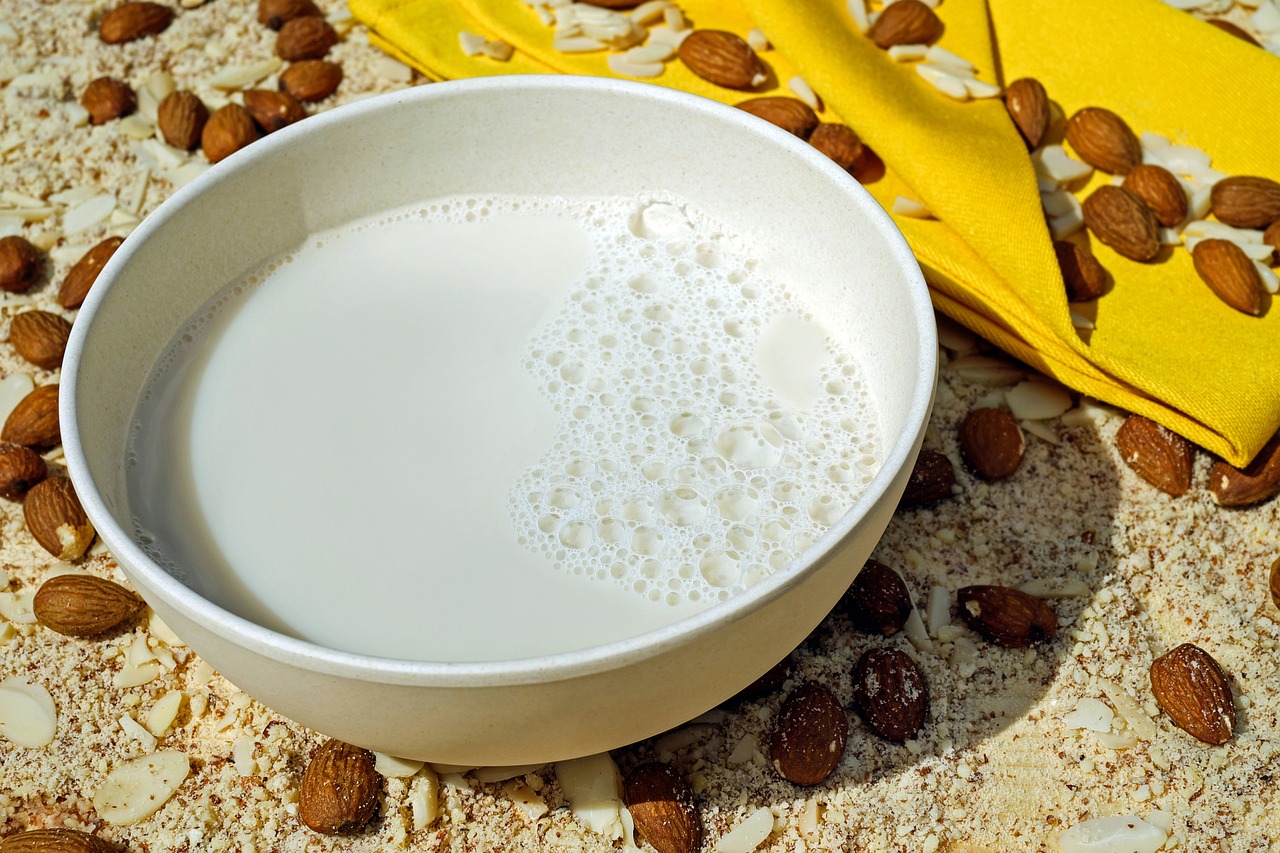
Almond Milk: A Popular Plant-Based Milk Alternative in the United States
Almond milk has become a popular plant-based milk alternative in the United States for several reasons. Not only is it low in calories, but it also contains essential nutrients like vitamin E and magnesium. It offers a nutritious option for individuals who either cannot or choose not to consume cow’s milk. For those following a healthy keto diet, unsweetened almond milk is a fantastic choice. With its low carb content and high levels of calcium and vitamin E, it fits perfectly within the dietary requirements. However, it’s important to note that sweetened almond milk may not be as suitable for a keto diet due to its higher carb and sugar content. If almond milk doesn’t appeal, there are other low-carb milk alternatives available, such as hemp milk, pea milk, coconut milk beverage, and soy milk. When selecting a milk alternative, consider its nutritional content and whether it is fortified with calcium and vitamin D. With its versatility in various recipes, almond milk is a convenient and delicious option for those following a keto diet.

Benefits of Almond Milk
Almond milk is a popular plant-based milk alternative in the United States. One of the key benefits of almond milk is that it is low in calories, making it a great option for those who are looking to maintain a healthy weight or who are watching their calorie intake. Compared to cow’s milk, almond milk contains fewer calories. This can be particularly beneficial for individuals who are trying to reduce their calorie intake or are following a weight loss plan.
Moreover, almond milk is not only low in calories but also packed with important nutrients. It is a great source of vitamin E, which acts as an antioxidant that helps protect cells from damage and supports overall skin health. Additionally, almond milk contains magnesium, a mineral that plays a crucial role in various bodily functions, including regulating blood pressure, maintaining bone health, and supporting muscle function.
Almond milk is also suitable for those who can’t or don’t want to consume cow’s milk. Some individuals may have lactose intolerance, which means that they have difficulty digesting lactose, a sugar found in cow’s milk. Almond milk is naturally lactose-free, making it a suitable alternative for those with lactose intolerance. Moreover, almond milk is also a great option for individuals who follow a vegan or dairy-free lifestyle.
Almond Milk and the Keto Diet
If you’re following a keto diet, almond milk can be a great addition to your meal plan. The keto diet is a low-carb, high-fat diet that aims to put your body into a state of ketosis, where it burns fat for fuel instead of carbohydrates. Almond milk is a suitable choice for a healthy keto diet, especially when choosing the unsweetened variety.
Unsweetened almond milk is low in carbs, making it a perfect choice for those following a keto diet. It contains significantly fewer carbs compared to cow’s milk, which is higher in lactose, a type of sugar. Additionally, almond milk is also high in calcium and vitamin E, both of which are essential for maintaining good overall health.
However, it’s important to note that sweetened almond milk may not be the best option for a keto diet. Sweetened almond milk often contains added sugars, which can significantly increase the carbohydrate content. It’s best to opt for unsweetened almond milk to keep your carb intake low while still enjoying the nutritional benefits.

Other Low-Carb Milk Alternatives
While almond milk is a great choice for a low-carb diet, there are also other milk alternatives available that are suitable for individuals who are watching their carbohydrate intake. Some popular low-carb milk alternatives include:
Hemp Milk
Hemp milk is made from the seeds of the hemp plant and is a rich source of omega-3 fatty acids. It has a creamy texture and a nutty flavor, making it a delicious option for those who are looking for a dairy-free alternative. Hemp milk contains a moderate amount of carbohydrates, but it is still lower in carbs compared to cow’s milk.
Pea Milk
Pea milk is made from yellow split peas and is a great option for individuals who have nut allergies or follow a nut-free diet. It has a mild and slightly sweet flavor, making it a versatile option for a variety of recipes. Pea milk is low in carbs and high in protein, making it a good choice for those on a low-carb diet.
Coconut Milk Beverage
Coconut milk beverage, also known as coconut milk drink, is derived from the flesh of coconuts. It has a rich and creamy texture, which makes it a great substitute for cow’s milk in recipes. Coconut milk beverage is low in carbs and is a good source of healthy fats. However, it’s important to note that coconut milk beverage should not be confused with canned coconut milk, which has a higher fat content.
Soy Milk
Soy milk is made from soybeans and is a popular milk alternative among individuals who follow a plant-based diet. It has a slightly sweet and nutty flavor and is often fortified with vitamins and minerals. Soy milk is low in carbs and high in protein, making it a good option for those who are looking to increase their protein intake.
When choosing a milk alternative, it’s important to consider the nutritional content and whether it is fortified with important nutrients like calcium and vitamin D. These nutrients are essential for maintaining good bone health and overall well-being.
Considering Nutritional Content
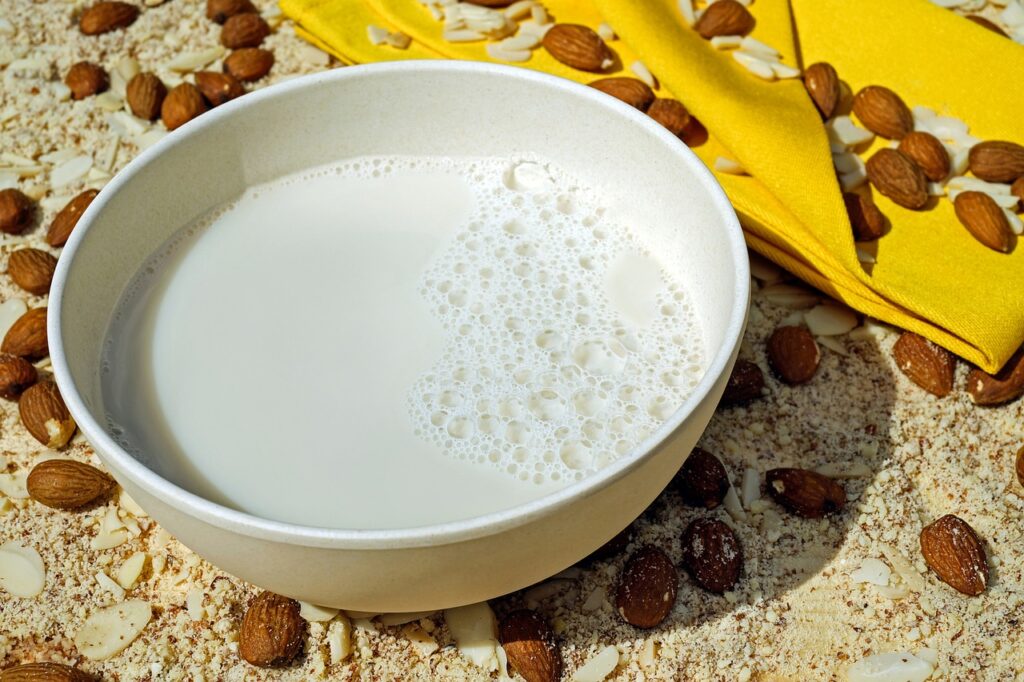
When choosing a milk alternative, it’s important to consider the nutritional content to ensure that you’re getting the necessary nutrients. Many milk alternatives, including almond milk, are fortified with important nutrients like calcium and vitamin D.
Calcium is crucial for maintaining healthy bones and teeth, as well as for proper muscle and nerve function. Vitamin D plays a crucial role in calcium absorption and bone health. Together, these nutrients are essential for overall bone health and can help reduce the risk of conditions like osteoporosis.
Fortified almond milk can be a great source of calcium and vitamin D, making it a suitable choice for individuals who can’t or don’t want to consume cow’s milk. However, it’s important to check the label to ensure that the almond milk you’re choosing is fortified with these important nutrients.

Using Almond Milk in Recipes
Almond milk is a versatile ingredient that can be used in a variety of recipes. It can be a great addition to both sweet and savory dishes, making it a go-to option for those following a keto diet.
In sweet recipes, almond milk can be used as a dairy-free alternative in desserts like smoothies, puddings, and pancakes. Its creamy texture and slightly nutty flavor can add a delightful taste to your favorite sweet treats.
When it comes to savory dishes, almond milk can be used in sauces, soups, and creamy pasta dishes. It can help create a rich and creamy texture without the need for dairy products. Almond milk can also be used as a base for creamy salad dressings or in marinades for meat or vegetable dishes.
For those following a keto diet, almond milk can be used in various keto-friendly recipes. From keto smoothies to low-carb almond milk-based desserts, the possibilities are endless. Just be sure to choose unsweetened almond milk to keep the carb content low and enjoy the benefits of almond milk while staying within your keto goals.
In conclusion, almond milk is a nutritious and versatile milk alternative that offers numerous benefits for individuals who can’t or don’t want to drink cow’s milk. With its low calorie count and important nutrients like vitamin E and magnesium, almond milk can be a healthy addition to a balanced diet. It is also a great option for those following a keto diet, as long as the unsweetened variety is chosen. Additionally, individuals who are watching their carbohydrate intake can explore other low-carb milk alternatives like hemp milk, pea milk, coconut milk beverage, and soy milk. Remember to consider the nutritional content and opt for milk alternatives that are fortified with essential nutrients like calcium and vitamin D. Finally, almond milk can be used in a variety of recipes, both sweet and savory, making it a versatile ingredient for those looking to explore new culinary possibilities. So, why not give almond milk a try and enjoy its many benefits?
Discover the benefits of almond milk as a popular plant-based milk alternative in the United States. Low in calories and packed with essential nutrients, almond milk is perfect for those on a keto diet. Explore other low-carb milk alternatives and learn how to use almond milk in various recipes.
