


Effects of Hormonal Imbalances on Weight Loss
If you’re struggling to lose weight despite following a strict diet and exercise regimen, it may be time to consider the effects of hormonal imbalances on weight loss. Hormones play a crucial role in regulating our bodies, including our metabolism and appetite. In this article, we’ll explore how hormonal imbalances can impact weight loss efforts and provide you with valuable insights to help you achieve your fitness goals.
Effects of Hormonal Imbalances on Weight Loss
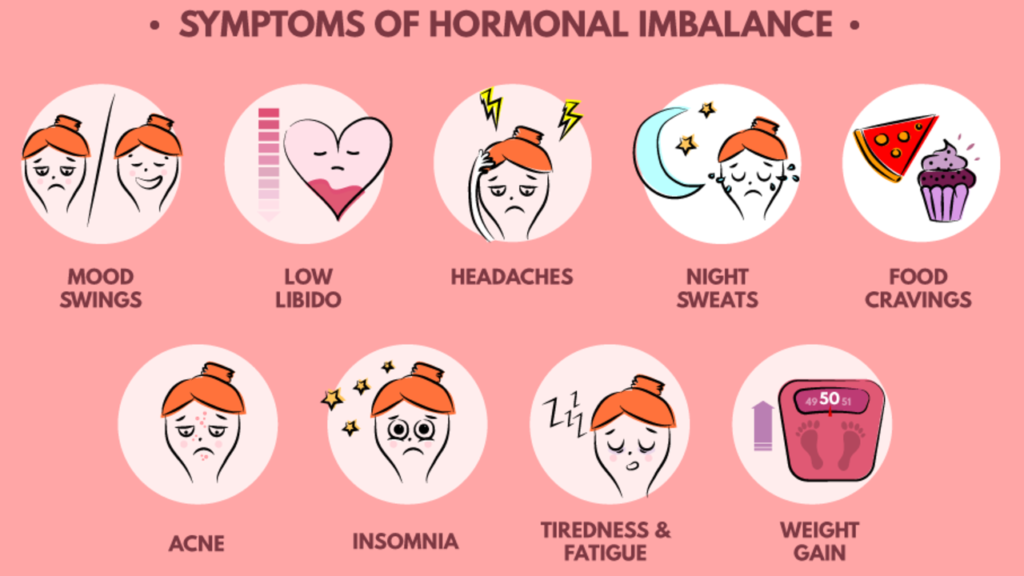
Overview of hormonal imbalances
Hormones play a vital role in various bodily functions, including metabolism and weight regulation. When there is an imbalance in hormone levels, it can have a significant impact on your ability to lose weight effectively. Hormonal imbalances occur when there is either too much or too little of a particular hormone in your body. These imbalances can be caused by a variety of factors, such as stress, certain medications, or underlying health conditions.
The role of hormones in weight regulation
Hormones act as messengers in your body, sending signals to different organs and tissues to regulate various processes, including appetite, metabolism, and fat storage. When these hormones are not functioning properly, it can disrupt the delicate balance necessary for weight loss. For example, hormones like insulin, cortisol, estrogen, and testosterone all play essential roles in controlling your weight.
Common hormonal imbalances
Several common hormonal imbalances can affect your weight loss efforts. Some of these include hypothyroidism, hyperthyroidism, insulin resistance, cortisol imbalance, estrogen dominance, testosterone imbalance, and leptin resistance. Each hormonal imbalance has its own unique effect on your body and weight loss journey.
Effect of hypothyroidism on weight loss
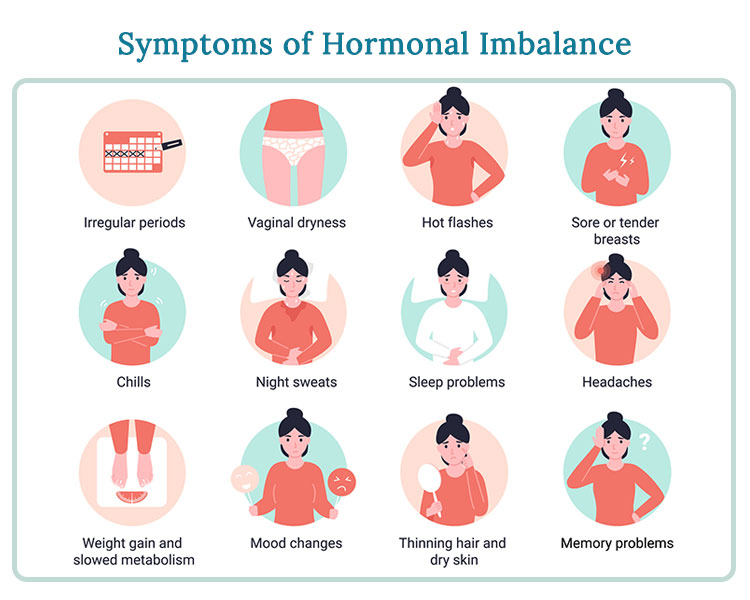
Hypothyroidism occurs when your thyroid gland doesn’t produce enough thyroid hormone. This condition can have a significant impact on weight loss. When your thyroid hormone levels are low, your metabolism slows down, making it more difficult for you to burn calories and lose weight. Additionally, hypothyroidism can cause fluid retention, which can further hinder weight loss efforts.
Effect of hyperthyroidism on weight loss
On the opposite end of the spectrum, hyperthyroidism is a condition where your thyroid gland produces too much thyroid hormone. While you might think that having an overactive thyroid would speed up your metabolism and lead to weight loss, it can actually have the opposite effect. Hyperthyroidism can cause increased appetite, leading to overeating and weight gain. It can also result in muscle loss, which can further impact your ability to shed those extra pounds.
Effect of insulin resistance on weight loss
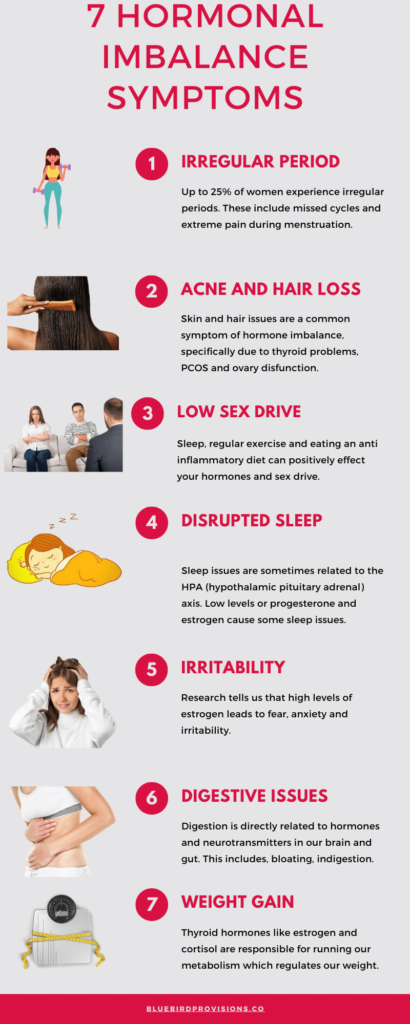
Insulin resistance occurs when your body’s cells become less responsive to the hormone insulin. Insulin is responsible for regulating blood sugar levels, and when your cells become resistant to its effects, it can lead to weight gain and difficulty losing weight. High levels of insulin in the bloodstream can promote fat storage and inhibit the breakdown of stored fat, making it challenging to achieve your weight loss goals.
Effect of cortisol imbalance on weight loss
Cortisol, often known as the stress hormone, plays a crucial role in your body’s response to stress. However, chronic stress can lead to an imbalance in cortisol levels, which can have a negative impact on weight loss. Elevated cortisol levels can increase appetite, particularly for unhealthy, high-calorie foods. Moreover, cortisol can promote the accumulation of abdominal fat, which is linked to various health concerns, including an increased risk of cardiovascular disease.
Effect of estrogen dominance on weight loss
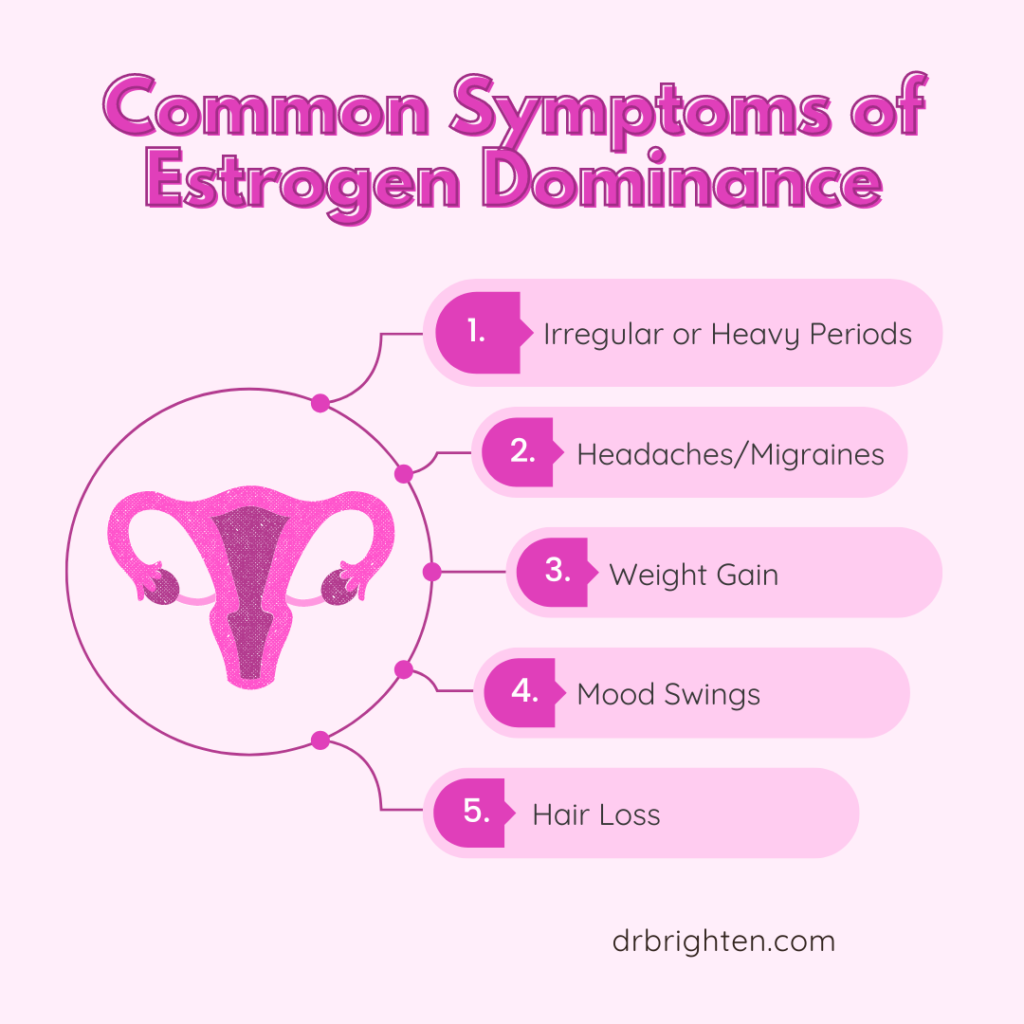
Estrogen dominance occurs when there is an imbalance between estrogen and progesterone levels in the body. This hormonal imbalance can lead to weight gain and difficulties with weight loss, particularly in women. Estrogen dominance can cause an increase in fat storage, especially around the hips and thighs. It can also contribute to fluid retention and bloating, making it challenging to achieve a more toned and lean physique.
Effect of testosterone imbalance on weight loss
Testosterone is commonly associated with men, but it also plays a crucial role in women’s health. Imbalances in testosterone levels can have a significant impact on weight loss efforts for both men and women. Low testosterone levels can lead to decreased muscle mass and increased fat storage. As muscle burns more calories than fat, this can slow down your metabolism and make it harder to shed those unwanted pounds.
Effect of leptin resistance on weight loss
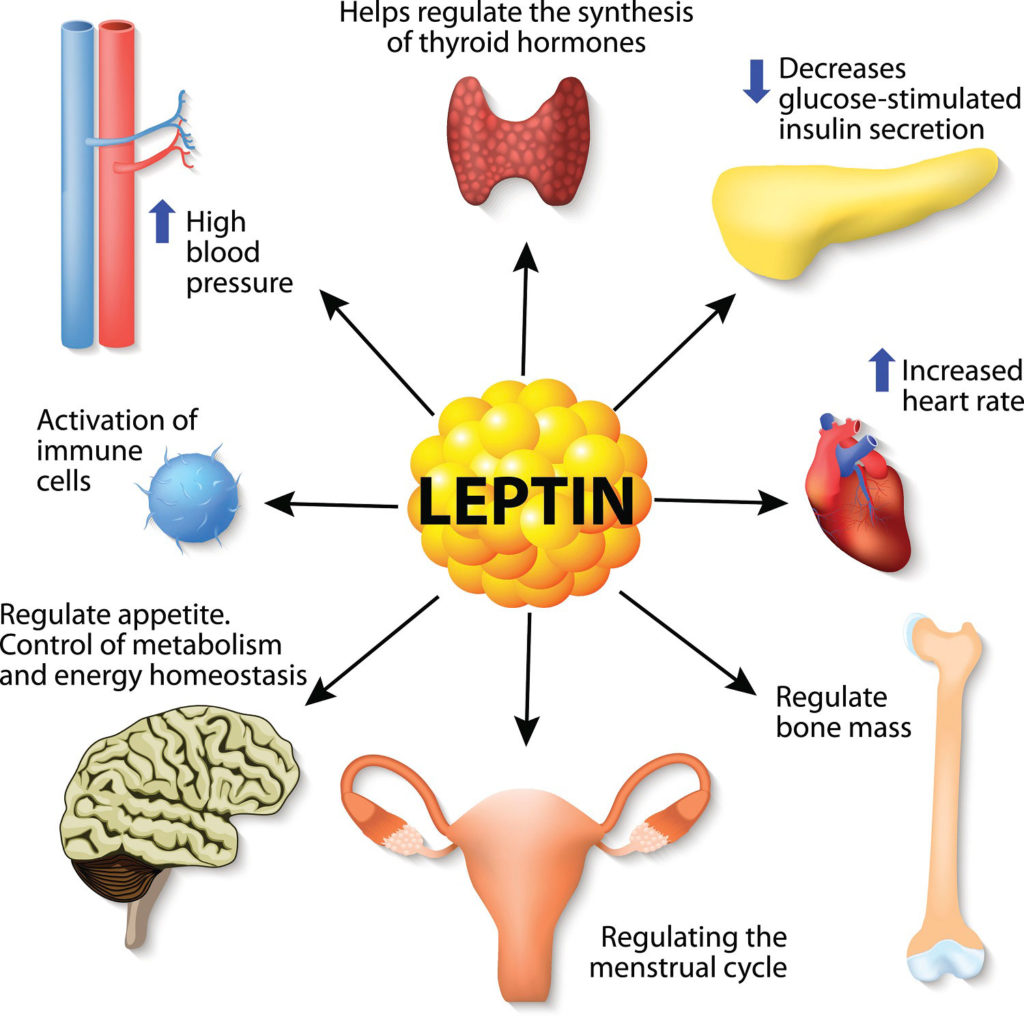
Leptin is a hormone that regulates hunger and appetite. When your body becomes resistant to leptin, it can disrupt the signals that control your appetite, leading to overeating and weight gain. Leptin resistance can also interfere with your body’s ability to burn fat efficiently, making it more challenging to achieve sustainable weight loss.
In conclusion, hormonal imbalances can have a significant impact on your ability to lose weight effectively. Understanding the effects of these imbalances on your body can help you identify any underlying hormonal issues that may be hindering your weight loss efforts. If you suspect a hormonal imbalance, it is essential to consult with a healthcare professional who can provide guidance and support in restoring hormonal balance and achieving your weight loss goals.
Discover the effects of hormonal imbalances on weight loss. Learn how these imbalances can hinder your goals and get valuable insights to overcome them.
