


Is Flexible Dieting the Key to Successful Weight Loss?
Are you tired of rigid diets that leave you feeling deprived and unmotivated? Look no further than flexible dieting as the potential key to your weight loss success. In this article, we explore the concept of flexible dieting and how it could be the right approach for you. Say goodbye to restrictive eating habits and hello to a more balanced and sustainable way of reaching your weight loss goals.
What is Flexible Dieting?
Understanding the concept
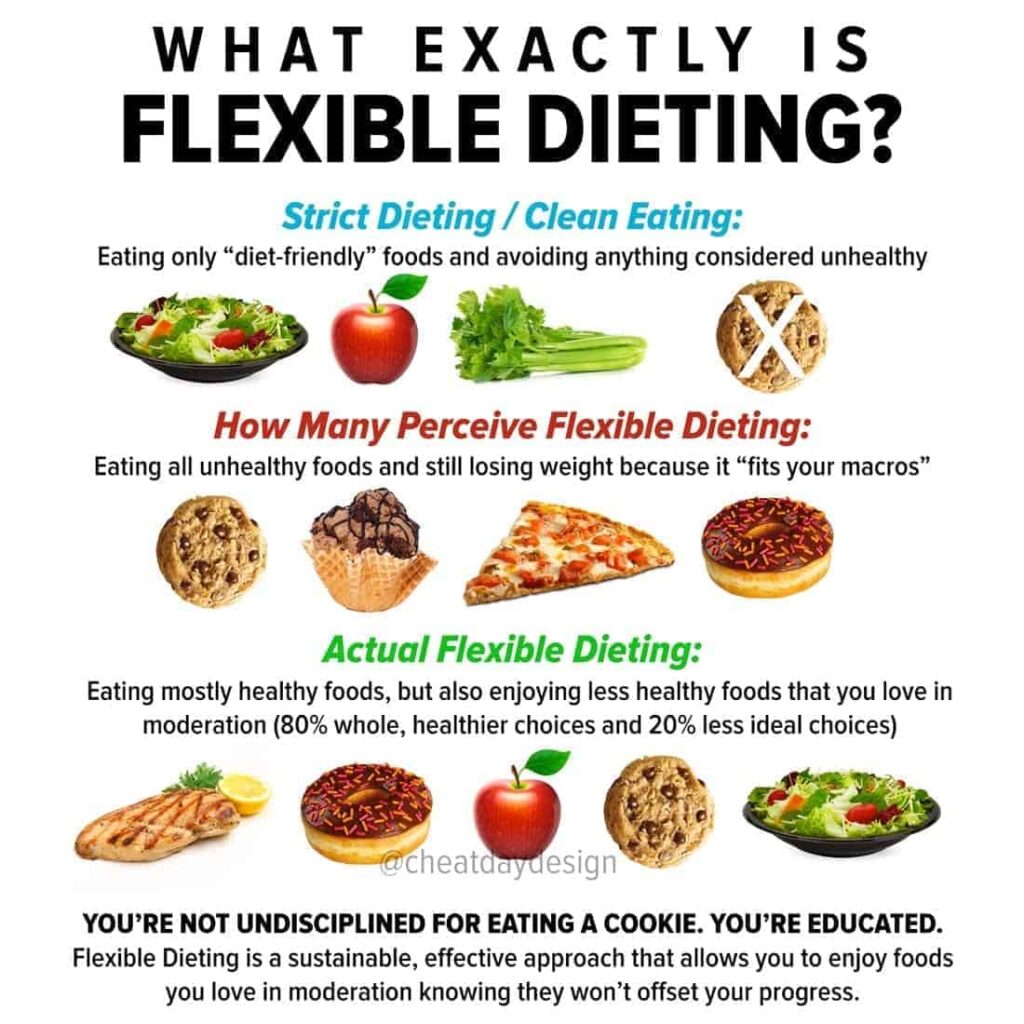
Flexible dieting is a unique approach to weight loss and nutrition that focuses on the overall balance of macronutrients in your diet, rather than strict calorie counting or banning certain foods. It emphasizes the importance of self-awareness and moderation, allowing you to enjoy a wide variety of foods while still achieving your weight loss goals.
Flexibility in food choices
Unlike traditional diets that restrict your food choices, flexible dieting allows you to incorporate a wide range of foods into your daily meals. Instead of labeling certain foods as off-limits, flexible dieting encourages you to find a balance that works for you, ensuring you get the nutrients you need while still enjoying the foods you love. This approach recognizes that moderation and portion control are key to long-term success.
Counting macronutrients
At the core of flexible dieting is the practice of counting macronutrients, which are the major nutrients our bodies need in larger quantities: carbohydrates, proteins, and fats. By tracking your macronutrient intake, you can ensure that your daily caloric intake is in line with your weight loss goals. By being mindful of your macronutrient ratios, you can achieve a healthier and more sustainable form of weight loss.
The Science Behind Flexible Dieting
Caloric deficit and weight loss
The foundation of weight loss is creating a caloric deficit, which means consuming fewer calories than your body needs to maintain its current weight. Flexible dieting takes this principle into account by placing importance on creating a moderate caloric deficit that is sustainable and balanced. By consistently achieving a modest caloric deficit, your body will gradually burn stored fat for energy, leading to weight loss over time.
Balancing macronutrients
Flexible dieting recognizes the importance of a balanced intake of macronutrients for optimal health and sustainable weight loss. Each macronutrient plays a different role in our bodies, and finding the right balance is essential. For example, protein is important for muscle repair and growth, carbohydrates provide energy, and fats play a role in hormone production. By understanding and balancing these macronutrients, flexible dieters can achieve better overall health and successful weight loss.
Metabolism and flexible dieting
One of the key benefits of flexible dieting lies in its positive impact on our metabolism. Traditional diets often involve severe calorie restrictions, which can slow down our metabolism over time. Flexible dieting, on the other hand, promotes a moderate and sustainable approach to weight loss, which helps to maintain a healthy metabolism. This is important because a fast and efficient metabolism aids in burning calories, leading to better weight management and overall energy levels.
Advantages of Flexible Dieting
Sustainable approach
One of the major advantages of flexible dieting is its sustainability. Unlike many traditional diets that are difficult to stick to in the long run, flexible dieting allows for more flexibility and enjoyment of food. You are less likely to feel deprived or restricted, making it easier to maintain your weight loss efforts over time. This sustainable approach sets flexible dieting apart from many other weight loss strategies.
Avoiding feelings of deprivation
Flexible dieting acknowledges the importance of indulging in the foods you enjoy. By incorporating your favorite foods into your diet in moderation, you can avoid feelings of deprivation and reduce the likelihood of binge-eating or falling off the wagon. This approach promotes a healthy relationship with food and eliminates the notion that certain foods are “forbidden.” With flexible dieting, every food has its place, and moderation becomes the key to success.
Enjoyment of food
Traditional diets often make mealtime feel like a chore, with strict rules and limited choices. In contrast, flexible dieting encourages you to savor your meals and enjoy the food you consume. By allowing yourself to have a flexible approach to dieting, you can still enjoy social gatherings, special occasions, and your favorite treats. This enhances your overall happiness and satisfaction, leading to a more positive and sustainable weight loss experience.
Challenges of Flexible Dieting
Potential for overeating
While flexible dieting allows for some flexibility in food choices, it does require self-discipline to avoid overeating. Without portion control and moderation, it is easy to fall into the trap of consuming more calories than necessary, sabotaging your weight loss efforts. However, with practice and mindfulness, it is possible to manage portion sizes and maintain the balance needed for successful flexible dieting.
Difficulties in meal planning
Flexible dieting can present challenges when it comes to meal planning. Counting macronutrients and balancing your intake requires some meticulous tracking and organization. This can be particularly challenging when dining out or when faced with unpredictable schedules. However, with practice and the help of smartphone apps or online tools, you can streamline the process and simplify your meal planning efforts.
Requires self-discipline
Flexible dieting requires a certain level of self-discipline and consistency. It is important to stay accountable and track your food intake accurately. This can involve tracking your meals and snacks, measuring portion sizes, and being mindful of your macronutrient ratios. While it may require some initial effort and commitment, the long-term benefits of flexible dieting make it well worth the dedication.
Flexible Dieting vs. Traditional Diets
Restrictions and rules
Unlike traditional diets that often involve strict rules and restrictions, flexible dieting emphasizes a more lenient approach. Traditional diets may require cutting out entire food groups or severely limiting certain macronutrients, which can be difficult to sustain and may lead to feelings of deprivation. Flexible dieting, on the other hand, allows for a wider variety of foods, making it easier to stick to in the long term.
Lifestyle adaptability
Flexible dieting is known for its adaptability to different lifestyles and dietary preferences. Whether you are vegetarian, vegan, or have specific dietary restrictions, flexible dieting can be tailored to accommodate your needs. This flexibility in food choices makes it easier for individuals to adhere to the diet and maintain their weight loss efforts throughout their lives, promoting a sustainable and healthy lifestyle.
Long-term success rates
Numerous studies have shown that traditional diets often lead to short-term weight loss followed by weight regain. This yo-yo effect is commonly attributed to the restrictive nature of these diets, making them difficult to maintain in the long run. Flexible dieting, on the other hand, has been associated with better long-term success rates. By promoting a balanced and sustainable approach to eating, flexible dieting has the potential to lead to lasting weight loss and improved overall health.
Tips for Successful Flexible Dieting
Setting realistic goals
When embarking on a flexible dieting journey, it is important to set realistic goals for yourself. Instead of aiming for rapid weight loss, focus on sustainable progress over time. This will prevent feelings of discouragement and allow you to make gradual and lasting changes to your eating habits. Remember, flexible dieting is a marathon, not a sprint.
Tracking food intake
To ensure you are staying on track with flexible dieting, it is crucial to track your food intake accurately. This can be done through various methods, such as using smartphone apps, personal journals, or online platforms. By diligently tracking your meals and snacks, you can maintain awareness of your overall calorie and macronutrient intake, making adjustments as needed to stay within your weight loss goals.
Prioritizing nutrient-dense foods
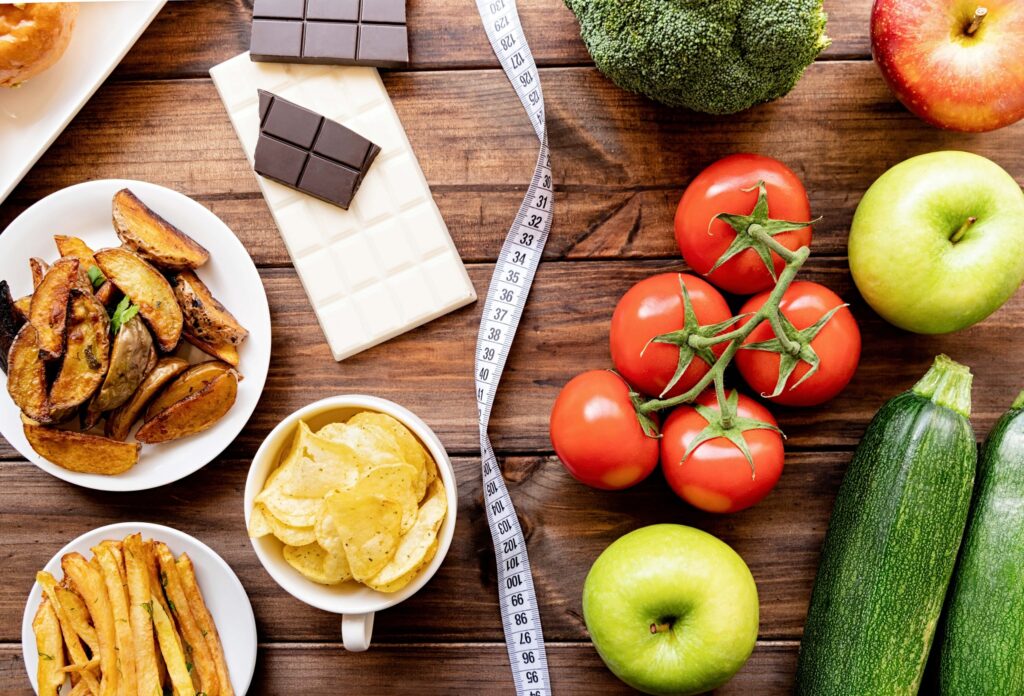
While flexible dieting allows for some flexibility in food choices, it is essential to prioritize nutrient-dense foods for optimal health and weight loss. Focus on consuming a variety of fruits, vegetables, lean proteins, whole grains, and healthy fats. These foods not only provide essential vitamins and minerals but also keep you feeling fuller for longer, reducing the likelihood of overeating or turning to less nutritious options.
Importance of a Balanced Approach
Incorporating exercise
When it comes to achieving and maintaining weight loss, exercise plays a crucial role alongside flexible dieting. Regular physical activity helps to increase your caloric expenditure, promote muscle growth, and improve overall well-being. By incorporating both flexible dieting and exercise into your lifestyle, you can optimize your results, achieve a healthier body composition, and boost your overall fitness.
Emotional well-being
Flexible dieting not only focuses on physical health but also recognizes the importance of emotional well-being. By allowing for moderation and enjoyment of food, flexible dieting can positively impact your relationship with food, reducing the likelihood of emotional eating or developing an unhealthy relationship with food. This balanced approach promotes a healthier mindset and helps to foster an overall positive body image and self-esteem.
Building a healthy relationship with food
One of the ultimate goals of flexible dieting is to establish a healthy and sustainable relationship with food. By eliminating restrictive eating patterns and focusing on moderation, you can learn to listen to your body’s hunger and fullness cues, making choices that meet both your physical and emotional needs. This fosters a positive and lifelong relationship with food, ensuring long-term success in weight management and overall health.
Common Misconceptions
License to eat anything
One common misconception about flexible dieting is that it grants you a license to eat anything and everything without consequence. While flexible dieting does allow for more freedom in food choices, it still requires moderation and portion control. Consuming excessive amounts of unhealthy or calorie-dense foods can hinder your progress and compromise your health. Flexible dieting is about finding balance, not indulging without restraint.
Lack of portion control
Another misconception is that flexible dieting dismisses the importance of portion control. On the contrary, portion control remains a crucial aspect of successful flexible dieting. While you are granted more freedom in food choices, it is still important to moderate your portion sizes to ensure you are not consuming an excessive number of calories. Understanding and practicing portion control is key to achieving your weight loss and health goals.
Misinterpretation of flexible dieting
Flexible dieting can sometimes be misconstrued as a simple “eat whatever you want” approach. However, this oversimplification fails to capture the essence of flexible dieting as a balanced and sustainable way of eating. While you do have more flexibility in your food choices, it is essential to prioritize nutrient-dense foods and maintain moderation to ensure your overall health and weight loss success.
Expert Opinions on Flexible Dieting
Registered dietitian’s perspective
Registered dietitians often support the principles of flexible dieting, as it encourages a balanced approach to nutrition and weight management. They recognize the benefits of having a positive relationship with food and being able to maintain a healthy lifestyle while still being able to enjoy treats in moderation. However, registered dietitians also emphasize the importance of seeking guidance and individualization in flexible dieting to ensure nutritional adequacy and overall well-being.
Fitness professional’s viewpoint
Fitness professionals, such as personal trainers or coaches, commonly advocate for flexible dieting as a sustainable approach to achieving and maintaining weight loss goals. They recognize that restrictive diets can hinder performance and lead to negative psychological impacts. By incorporating flexible dieting alongside exercise, fitness professionals promote an overall lifestyle change that prioritizes balance, longevity, and improved physical fitness.
Success stories and personal experiences
Many individuals have found success and satisfaction through flexible dieting, sharing their personal experiences and success stories online or within various communities. These stories often highlight the newfound freedom, sustainability, and improved relationship with food that flexible dieting offers. Reading about these personal journeys can provide inspiration and insights into how flexible dieting can positively transform lives and lead to successful weight loss journeys.
Conclusion
Flexible dieting offers a refreshing and sustainable approach to weight loss and overall well-being. By focusing on the balance of macronutrients and allowing for flexibility in food choices, it promotes a healthier and more realistic approach to nutrition. While challenges such as potential overeating and difficulties in meal planning may arise, the benefits of sustainable weight loss, avoidance of feelings of deprivation, and enjoyment of food make flexible dieting an attractive option for many. Remember to set realistic goals, track your food intake, prioritize nutrient-dense foods, incorporate exercise, and build a healthy relationship with food. With a balanced approach and determination, flexible dieting can be the key to successful weight loss and a healthier lifestyle.
Is Flexible Dieting the Key to Successful Weight Loss? Discover the balanced approach that allows you to enjoy a variety of foods while reaching your weight loss goals. Say goodbye to restrictive diets and hello to sustainable success.
