


The Benefits of the Mediterranean Diet for Weight Loss
If you’re looking to shed those excess pounds while still enjoying delicious and satisfying meals, look no further than the Mediterranean Diet. This popular eating plan not only promotes weight loss, but also offers a range of other health benefits. By focusing on fresh fruits and vegetables, whole grains, lean proteins, and healthy fats, the Mediterranean Diet provides a balanced approach to eating that can help you reach your weight loss goals while improving your overall well-being. Say goodbye to restrictive diets and hello to a sustainable and enjoyable way of eating.
Health Benefits of the Mediterranean Diet
The Mediterranean diet has gained popularity in recent years due to its numerous health benefits. This diet is not just focused on weight loss, but also on promoting overall well-being. By following the Mediterranean diet, you can experience sustainable weight loss, reduce the risk of chronic diseases, improve heart health, and enhance brain function.
Promotes sustainable weight loss
One of the reasons why the Mediterranean diet is highly regarded is its ability to promote sustainable weight loss. Unlike fad diets that often lead to quick but temporary results, the Mediterranean diet focuses on long-term weight management. By following a diet primarily composed of nutrient-dense foods, you can achieve and maintain a healthy weight. This means you won’t have to constantly count calories or restrict yourself, as the Mediterranean diet provides a balanced and satisfying way of eating.
Additionally, the Mediterranean diet encourages mindful eating habits. By being more aware of the quality and quantity of the food you consume, you can make better choices and avoid overeating. Mindful eating also helps you appreciate the flavors and textures of your meals, making the dining experience more enjoyable.
Reduces risk of chronic diseases
Numerous studies have shown that following the Mediterranean diet can significantly reduce the risk of chronic diseases. One of the most notable benefits is a lower incidence of heart disease. The Mediterranean diet is packed with heart-healthy fats, such as those found in olive oil and nuts. These fats are known to improve cholesterol levels and reduce inflammation, leading to a healthier heart.
Another chronic disease that the Mediterranean diet can help prevent is type 2 diabetes. The diet’s emphasis on whole foods, fruits, and vegetables can improve insulin sensitivity and help regulate blood sugar levels. By stabilizing blood sugar, the risk of developing type 2 diabetes is significantly reduced.
Improves heart health
The Mediterranean diet is often touted as one of the best diets for improving heart health. By incorporating heart-healthy fats, such as those found in olive oil and nuts, the diet can promote a healthy cholesterol profile. These fats, along with the diet’s high intake of antioxidants and anti-inflammatory compounds, can also lower blood pressure levels, reducing the risk of heart disease and stroke.
Enhances brain function
In addition to its cardiovascular benefits, the Mediterranean diet also has positive effects on brain health. The diet is rich in omega-3 fatty acids, which are essential for optimal brain function. Omega-3s have been linked to a reduced risk of cognitive decline and improved mental well-being. By following the Mediterranean diet, you can provide your brain with the necessary nutrients it needs to stay healthy and functioning at its best.
Key Components of the Mediterranean Diet
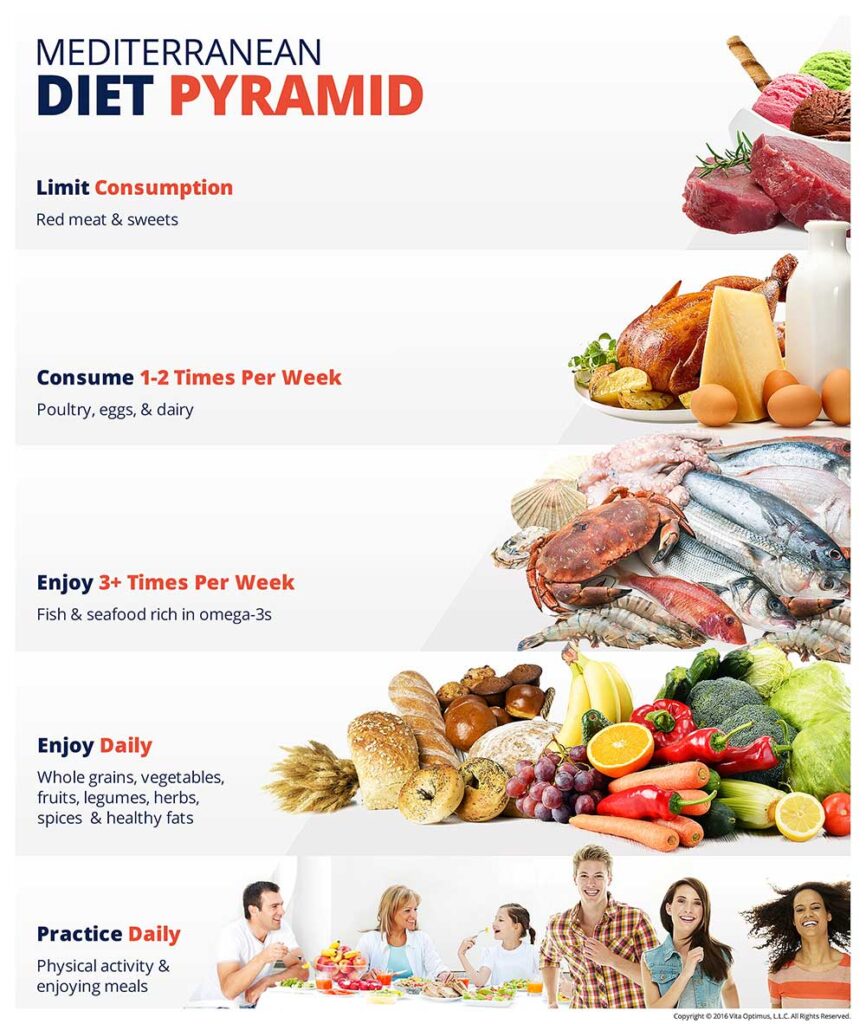
To fully grasp the benefits of the Mediterranean diet, it’s important to understand its key components. These components are the foundation of the diet and contribute to its overall health-promoting effects.
Emphasis on whole foods
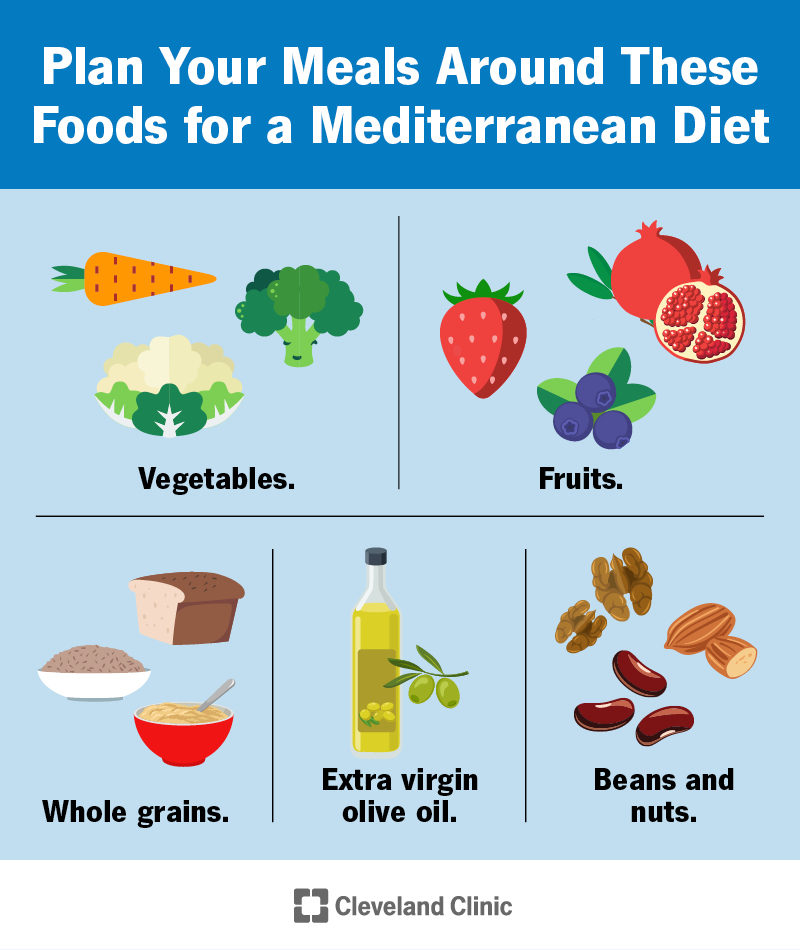
The Mediterranean diet is centered around whole foods, which means focusing on minimally processed, natural ingredients. By incorporating whole foods into your diet, you can ensure that you are consuming a wide variety of nutrients. Whole grains, such as brown rice and quinoa, are rich in fiber, which helps improve digestion and control blood sugar levels. Consuming whole foods also provides essential vitamins and minerals that are necessary for overall health.
High intake of fruits and vegetables
Another cornerstone of the Mediterranean diet is its high intake of fruits and vegetables. These colorful plant-based foods are loaded with vitamins, minerals, and antioxidants. Consuming a wide variety of fruits and vegetables can boost your immune system, support healthy weight management, and promote overall well-being. The Mediterranean diet encourages you to make these foods the focus of your meals, ensuring that you receive a wide spectrum of nutrients.
Healthy fats from olive oil and nuts
The Mediterranean diet emphasizes healthy fats, primarily sourced from olive oil and nuts. These fats provide essential fatty acids that are vital for various bodily functions. Olive oil, in particular, is known for its heart-healthy properties. It can help reduce LDL cholesterol levels and promote a healthy cholesterol profile. Including nuts in your diet can also boost satiety, preventing overeating. Additionally, the healthy fats in the Mediterranean diet enhance nutrient absorption, allowing your body to make the most out of the food you consume.
Moderate consumption of dairy products
While dairy products are a part of the Mediterranean diet, they are consumed in moderation. This is because the diet emphasizes whole foods and encourages limiting the intake of certain types of food, including high-fat dairy products. However, moderate consumption of low-fat or non-fat dairy products can provide essential nutrients such as calcium, protein, and vitamin D. These nutrients are crucial for maintaining bone health and overall wellness.
Inclusion of lean proteins
Protein is an essential macronutrient that plays a crucial role in various bodily functions. The Mediterranean diet includes lean proteins such as fish, poultry, legumes, and nuts. These protein sources are low in saturated fats and provide important amino acids for muscle growth and repair. By incorporating lean proteins into your diet, you can ensure that your body receives the necessary nutrients for optimal health.
Limited intake of red meat
While lean proteins are encouraged, the Mediterranean diet limits the consumption of red meat. Red meat consumption has been associated with an increased risk of certain chronic diseases, such as heart disease and certain types of cancer. By reducing your intake of red meat and opting for lean protein alternatives, you can lower your risk of these diseases and improve your overall health.
Moderate consumption of wine
An interesting aspect of the Mediterranean diet is the moderate consumption of wine. Red wine, in particular, contains antioxidants, such as resveratrol, which have been linked to various health benefits. However, it’s important to note that moderation is key, and excessive alcohol consumption can have detrimental effects on health. For those who prefer not to consume alcohol, there are alternative options available, such as grape juice or non-alcoholic wine, that can offer some of the same benefits.
Discover the benefits of the Mediterranean Diet for weight loss and overall well-being. Lose weight sustainably while promoting heart health and enhancing brain function.
