

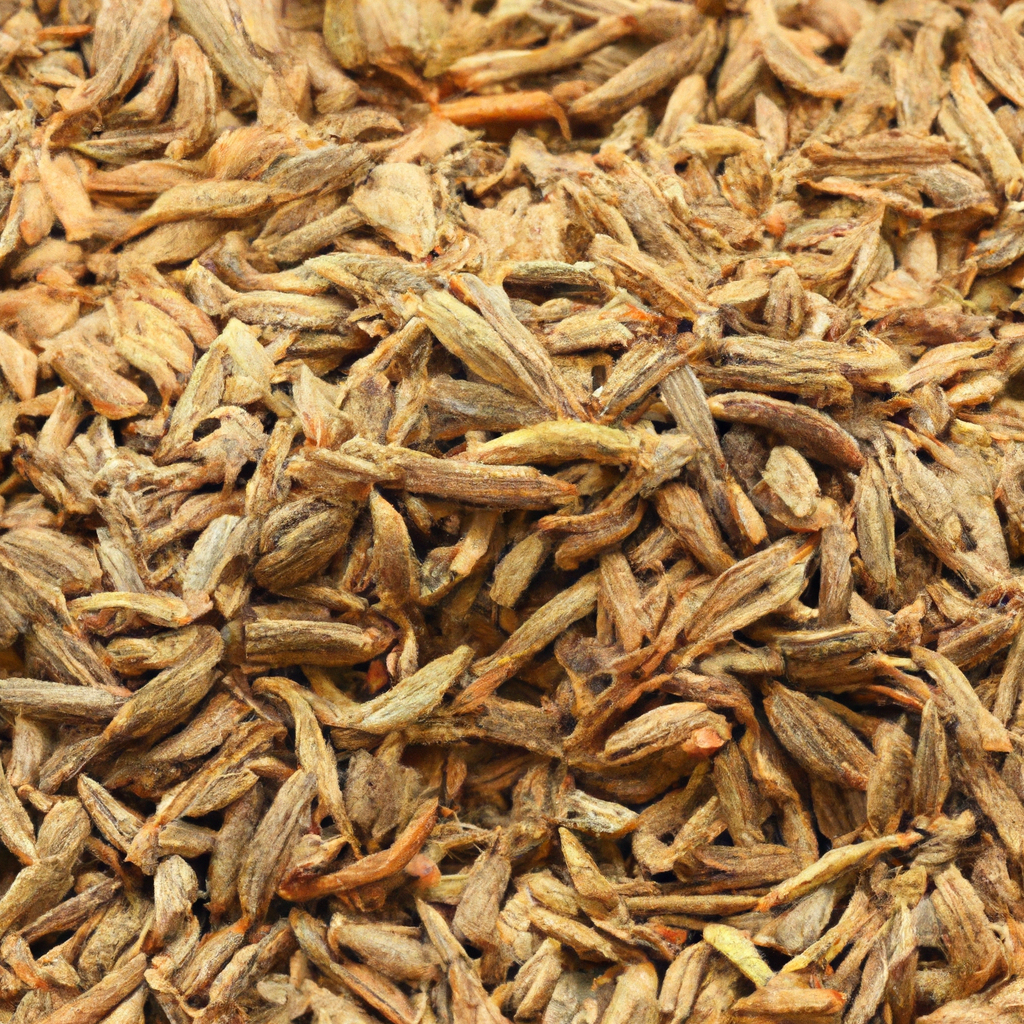
The Benefits of Using Cumin for Weight Loss
Looking to shed some pounds? Look no further than cumin, a versatile spice commonly used in cooking and grown in China, India, and Mexico. Not only does cumin add a delicious flavor to your meals, but it also boasts a range of health benefits. Studies suggest that cumin may help boost metabolism, lower cholesterol, decrease blood sugar, and even reduce inflammation in the body. While it’s not a magic cure-all, incorporating cumin into a healthy diet and exercise routine can be an effective tool for weight loss. Whether you opt for a cumin-infused drink or choose to take cumin supplements, the possibilities are endless. But don’t stop at its weight loss potential—cumin also provides iron, aids in improving cholesterol levels, and supports a healthy immune system. So, next time you’re browsing the grocery store or shopping online, consider adding cumin to your cart. Just remember to exercise caution when purchasing unregulated supplements and always consult with a healthcare professional. With cumin on your side, you can take steps towards achieving a healthy weight and balanced blood sugar levels.
The Basics of Cumin
Cumin is a popular spice that is commonly used in cooking. It has a warm, earthy flavor and is grown in China, India, and Mexico. The seeds of the cumin plant are harvested and dried, and then ground into a fine powder. Cumin has been used for centuries in various cuisines around the world due to its distinct taste and aroma.
Origin of Cumin
Cumin has a rich history and has been cultivated for thousands of years. It is believed to have originated in the eastern Mediterranean region and was used by ancient civilizations such as the Egyptians and Romans. From there, it spread to other parts of the world through trade routes and exploration. Today, cumin is grown in several countries and is a staple ingredient in many traditional dishes.
Common Uses of Cumin
Cumin is a versatile spice that can be used in a variety of dishes. It is commonly used in Indian, Mexican, Middle Eastern, and North African cuisines. Cumin adds depth and flavor to curries, stews, soups, and rice dishes. It pairs well with spices like coriander, turmeric, and chili powder. In addition to savory dishes, cumin can also be used in baking, especially in bread and pastries.
Nutritional Profile of Cumin
Cumin is not only flavorful but also has nutritional benefits. It is a good source of iron, which is essential for the production of red blood cells and maintaining energy levels. Cumin also contains antioxidants, which help protect the body from damage caused by free radicals. Additionally, it provides trace amounts of vitamins and minerals like magnesium, calcium, and vitamin E.
Cumin and Weight Loss
Cumin has gained attention for its potential role in weight loss. While it is not a magic solution, incorporating cumin into a healthy diet and exercise regimen may have some beneficial effects.
Metabolism Boosting Properties
One of the reasons cumin is believed to aid in weight loss is its potential to boost metabolism. Some animal studies have shown that cumin can increase metabolic rate, which may lead to more efficient calorie burning. However, more research is needed to fully understand the effects of cumin on human metabolism.
Cholesterol-Lowering Effects
Cumin may also have cholesterol-lowering effects, which can contribute to weight loss and overall health. Some studies have found that cumin can lower levels of LDL cholesterol, also known as “bad” cholesterol, while increasing levels of HDL cholesterol, or “good” cholesterol. By supporting healthy cholesterol levels, cumin may help reduce the risk of heart disease and improve overall cardiovascular health.
Blood Sugar Regulation
Another potential benefit of cumin is its ability to help regulate blood sugar levels. High levels of blood sugar can contribute to weight gain and increase the risk of developing conditions like prediabetes and type 2 diabetes. Some research suggests that cumin may help improve insulin sensitivity and reduce blood sugar levels, but more studies are needed to confirm these findings.
Reducing Fat Deposits
Consuming cumin may also aid in decreasing fat deposits in the body. Some studies have suggested that cumin supplementation can lead to significant reductions in body weight, body fat percentage, and waist circumference. These effects may be due to cumin’s potential to increase fat oxidation and improve metabolic function. However, further research is required to determine the optimal dosage and long-term effects of cumin on fat loss.
Decreasing Inflammation
Inflammation is often associated with weight gain and can contribute to various chronic diseases. Cumin contains compounds that have anti-inflammatory properties, which may help reduce inflammation in the body. By decreasing inflammation, cumin may support weight loss efforts and improve overall health.

Research on Cumin and Weight Loss
While there is some evidence to suggest that cumin may aid in weight loss, the research is still limited. Most studies conducted on this topic have been animal studies or small-scale human trials. More large-scale, controlled studies are needed to fully understand the effects of cumin on weight loss in humans.
Limited Studies
The current research on cumin and weight loss is promising but limited. While some studies have found positive effects of cumin supplementation on body weight and fat loss, others have shown no significant changes. Additionally, most studies have focused on short-term effects and have not investigated the long-term impact of cumin consumption on weight management.
Potential Mechanisms
The mechanisms by which cumin may contribute to weight loss are still being explored. Some researchers believe that cumin’s ability to boost metabolism, lower cholesterol, regulate blood sugar, and reduce inflammation may all play a role in its potential weight loss benefits. However, more research is needed to fully understand these mechanisms and how they interact.
Future Research
Given the limited nature of the current research, further studies are necessary to establish a stronger link between cumin and weight loss. Future research should include larger sample sizes, longer study durations, and diverse populations to provide more conclusive evidence. Additionally, studies comparing cumin to other weight loss interventions would help determine its effectiveness in comparison to existing strategies.
Cumin for Targeted Fat Loss
It is important to clarify that cumin cannot specifically target fat loss in one area of the body. The idea of spot reduction, or losing fat from specific regions through targeted exercises or supplementation, is a misconception. Weight loss occurs throughout the body as a result of a calorie deficit. However, incorporating cumin into a healthy diet and exercise routine can contribute to overall weight loss goals.
Misconceptions About Spot Reduction
Many people mistakenly believe that by consuming certain foods or performing specific exercises, they can selectively reduce fat in problem areas such as the belly or thighs. Unfortunately, this is not how the human body works. Fat loss is a systemic process that occurs as a result of overall weight loss. Therefore, while cumin may have some benefits for weight loss, it cannot target fat loss in specific areas of the body.
Cumin’s Role in Overall Weight Loss
While cumin cannot directly target fat loss in specific areas, it can still play a role in overall weight loss. By boosting metabolism, supporting healthy cholesterol levels, regulating blood sugar, reducing fat deposits, and decreasing inflammation, cumin can contribute to a comprehensive weight loss plan. When combined with a balanced diet and regular exercise, incorporating cumin into your routine may help you reach your weight loss goals more effectively.

Ways to Use Cumin for Weight Loss
There are several ways to incorporate cumin into your diet to harness its potential weight loss benefits. From beverages to meals, the versatility of cumin makes it easy to include in your daily routine.
Cumin Drink Recipe
One popular way to consume cumin for weight loss is by making a cumin drink. To prepare this beverage, start by grinding roasted cumin seeds into a fine powder. Mix the powder with warm water, a squeeze of lemon, and a bit of honey for sweetness. Stir well and drink it in the morning on an empty stomach. This simple cumin drink can help kickstart your metabolism and support healthy digestion.
Incorporating Cumin into Meals
Cumin can be added to a wide range of dishes to enhance flavor and provide potential weight loss benefits. Sprinkle cumin powder over roasted vegetables, add it to soups, stews, and sauces, or use it as a seasoning for grilled meats. You can also combine cumin with other spices to create a homemade spice blend that can be used to season various dishes.
Cumin Supplements
If you prefer a more convenient option, cumin supplements are available in capsule or oil form. These supplements typically contain concentrated amounts of cumin extract and can provide the potential weight loss benefits of cumin in a convenient format. However, it is important to choose reputable brands and consult with a healthcare professional before starting any new supplement regimen.
Additional Benefits of Cumin
In addition to its potential weight loss benefits, cumin offers several other advantages for overall health and well-being.
Providing Iron
Cumin is a good source of iron, a crucial mineral for the body. Iron is necessary for the production of hemoglobin, a protein that carries oxygen to the body’s tissues. Adequate iron intake helps prevent iron deficiency anemia, which can cause fatigue, weakness, and decreased immune function.
Improving Cholesterol Levels
As mentioned earlier, cumin has been shown to have cholesterol-lowering effects. By reducing LDL cholesterol levels and increasing HDL cholesterol levels, cumin may help improve lipid profiles and support heart health. Incorporating cumin into a heart-healthy diet may be beneficial for individuals with high cholesterol or those at risk of cardiovascular disease.
Supporting the Immune System
Cumin contains antioxidants, which help protect the body’s cells from damage caused by free radicals. These harmful molecules can contribute to chronic diseases and weaken the immune system. By consuming foods rich in antioxidants, such as cumin, you can support your body’s natural defenses and promote overall immune health.

Purchasing Cumin
When it comes to purchasing cumin, there are a few factors to consider to ensure you are getting a high-quality product.
Availability in Grocery Stores
Cumin is widely available in most grocery stores, typically in the spice aisle. Look for whole cumin seeds or ground cumin powder, depending on your preference. It is best to choose organic cumin whenever possible to minimize exposure to pesticides and other chemicals.
Online Purchasing Tips
If you prefer to shop online, there are many reputable websites that sell cumin and other spices. Look for websites that provide detailed information about the product’s sourcing and quality. Read customer reviews to get an idea of the overall satisfaction with the product. It is also important to check the expiration date and ensure proper packaging to maintain freshness.
Avoiding Unregulated Supplements
If you are considering cumin supplements, it is crucial to be cautious and choose reputable brands. Look for supplements that have been tested by third-party organizations for quality and purity. Avoid supplements that make outrageous claims or promise quick and drastic results.
Safety Considerations
Cumin is generally safe for most people when consumed in moderation as a spice or supplement. However, there are a few things to keep in mind, especially if you have any underlying health conditions or take medications.
Generally Safe for Most People
In culinary amounts, cumin is well-tolerated by most individuals and does not typically cause any adverse effects. However, some people may experience mild digestive discomfort, such as gas or bloating, due to cumin’s natural compounds. If you notice any unpleasant symptoms after consuming cumin, it is best to reduce your intake or avoid it altogether.
Consultation for Specific Conditions
If you have specific health concerns or medical conditions, it is advisable to consult with a healthcare professional before incorporating cumin into your diet or starting any new supplement regimen. They can provide personalized advice based on your individual needs and help you determine if cumin is suitable for you.
In conclusion, cumin is a versatile spice that can potentially aid in weight loss when combined with a healthy diet and exercise. While its effects on weight loss are still being studied, cumin may boost metabolism, lower cholesterol, regulate blood sugar, reduce fat deposits, and decrease inflammation. However, it is important to note that cumin cannot target fat loss in specific areas of the body. Incorporating cumin into your meals, preparing a cumin drink, or using cumin supplements are all ways to harness its potential benefits. Additionally, cumin offers other advantages such as providing iron, improving cholesterol levels, and supporting the immune system. When purchasing cumin, ensure you choose high-quality products from reputable sources. Finally, while cumin is generally safe for most people, it is always a good idea to consult with a healthcare professional, especially if you have underlying health conditions or take medications.
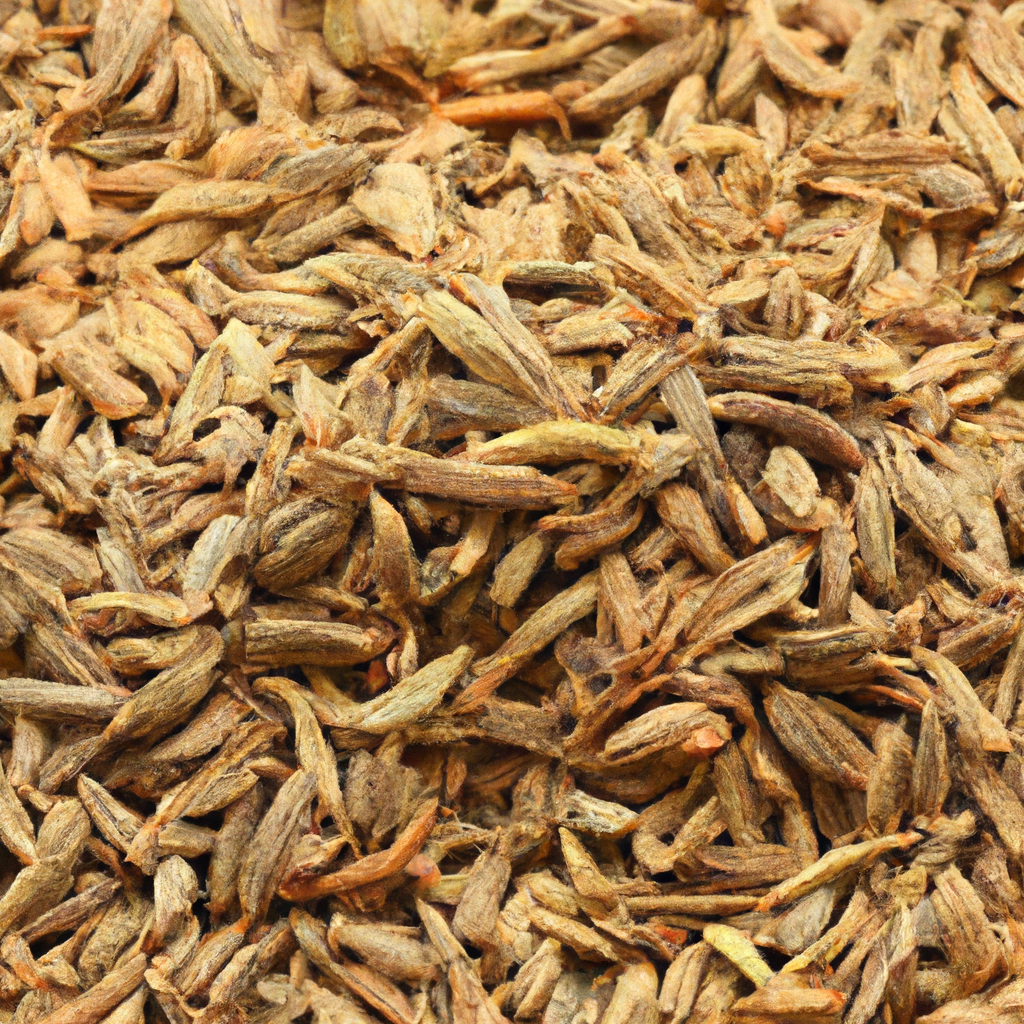
Discover the benefits of using cumin for weight loss. Boost metabolism, lower cholesterol, regulate blood sugar, and reduce inflammation with this versatile spice. Incorporate it into your diet for effective results.
