

The Potential Health Benefits of the Ketogenic Diet
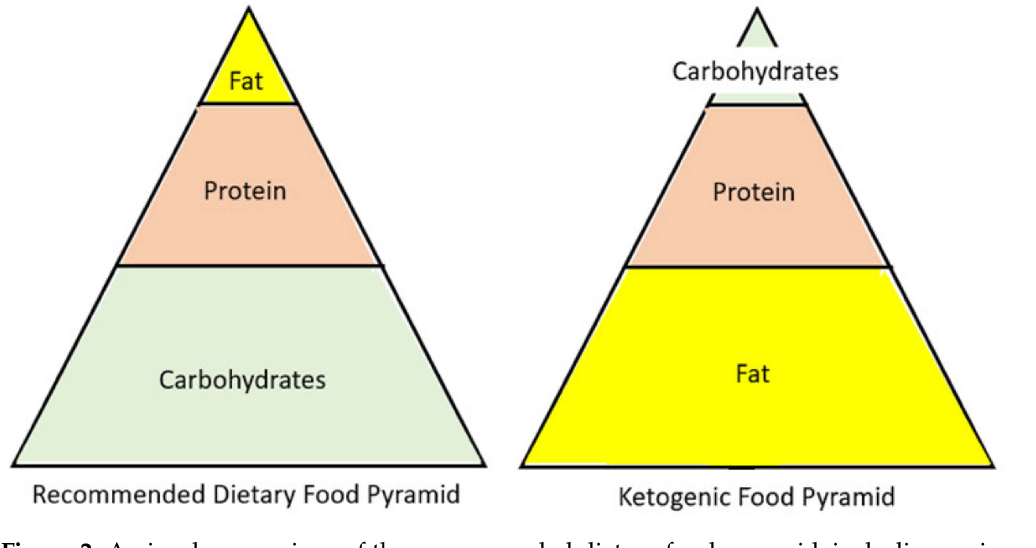
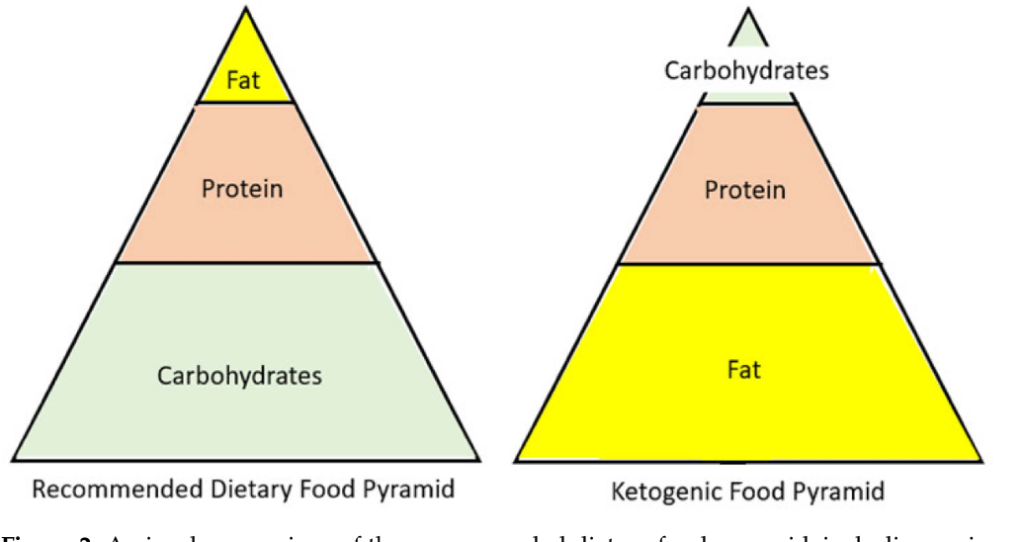
Are you looking for a diet that not only promotes weight loss, but also offers potential health benefits? Look no further than the ketogenic diet. By incorporating a low carb, high fat, and moderate protein approach, this diet has gained attention for its ability to improve endurance and fat burning during exercise. However, it’s important to note that the ketogenic diet may not be suitable for high intensity activities, as it could decrease energy levels and impair muscle growth. On the other hand, low intensity, steady state activities such as jogging, biking, and yoga may be more compatible with this dietary approach. While more research is needed to fully understand the effects of the ketogenic diet on exercise performance, it’s worth exploring if you’re seeking a diet that goes beyond just shedding pounds.
Weight Loss
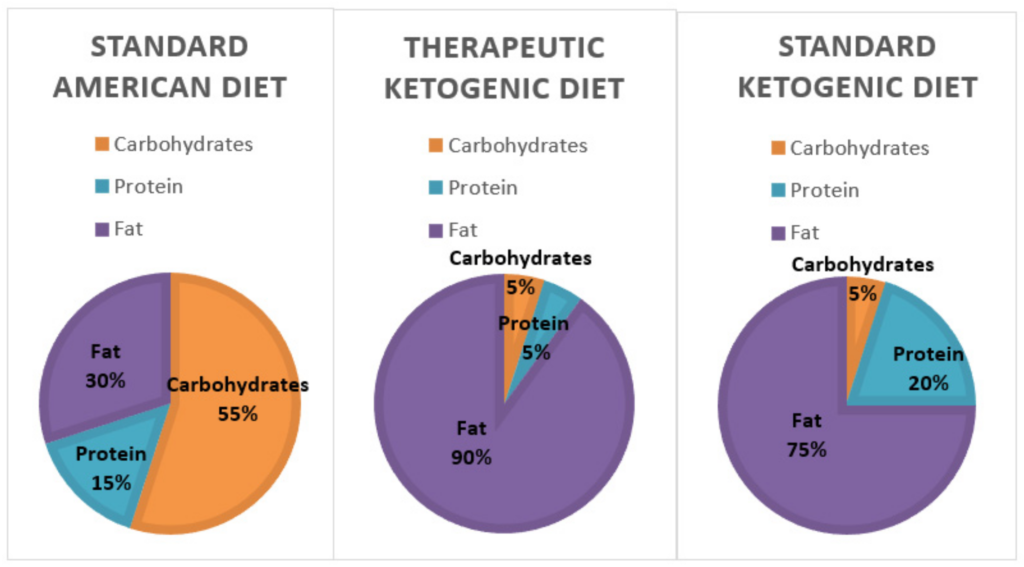
The ketogenic diet has gained popularity as an effective method for weight loss. The diet’s high fat and low carbohydrate content shifts your body into a metabolic state called ketosis. In this state, your body primarily burns fat for fuel instead of carbohydrates.
Effect on Appetite
One of the reasons why the ketogenic diet is successful for weight loss is its impact on appetite. When you reduce your carbohydrate intake and increase your fat consumption, you tend to feel more satiated and satisfied after meals. This reduction in hunger can lead to decreased calorie intake, ultimately aiding in weight loss.
Increased Fat Burning
By following a ketogenic diet, your body becomes adapted to burning fat for energy. This shift in metabolism can lead to increased fat burning, making it easier to shed excess pounds. Furthermore, the high fat content of the diet can help you feel fuller for longer periods, reducing the temptation to snack on calorie-dense foods.
Loss of Water Weight
Another initial effect of the ketogenic diet is the loss of water weight. When you consume fewer carbohydrates, your body depletes its glycogen stores, resulting in a loss of stored water. While this initial weight loss may seem promising, it is important to note that it is primarily water weight and not necessarily indicative of fat loss.
Blood Sugar Control
The ketogenic diet has also shown promise in improving blood sugar control, especially for individuals with type 2 diabetes or insulin resistance.
Reduced Insulin Levels
When you consume carbohydrates, your body releases insulin to help regulate blood sugar levels. However, in individuals with insulin resistance or type 2 diabetes, the body becomes less responsive to insulin, leading to elevated blood sugar levels. By following a ketogenic diet, which restricts carbohydrate intake, insulin levels can be reduced, promoting better blood sugar control.
Improved Insulin Sensitivity
Insulin sensitivity refers to how well your body responds to insulin. Individuals with insulin resistance have reduced insulin sensitivity, making it harder for their bodies to regulate blood sugar levels. Studies have shown that the ketogenic diet can improve insulin sensitivity, potentially making it easier for individuals with insulin resistance or type 2 diabetes to manage their condition.
Stabilized Blood Sugar Levels
By reducing carbohydrate consumption, the ketogenic diet helps stabilize blood sugar levels. Avoiding spikes in blood sugar can prevent the associated negative health effects, such as inflammation and increased risk of chronic diseases. Stable blood sugar levels are particularly beneficial for individuals with diabetes and can contribute to better long-term health outcomes.
Reduced Inflammation
Inflammation is a natural response by your body to protect against injury and infection. However, chronic inflammation can contribute to the development of various diseases. The ketogenic diet has been associated with a reduction in inflammation markers.
Effect on Inflammatory Markers
Several studies have shown that the ketogenic diet can lead to decreased levels of inflammatory markers in the body. These markers include C-reactive protein (CRP), interleukin-6 (IL-6), and tumor necrosis factor-alpha (TNF-alpha). By reducing inflammation, the ketogenic diet may help lower the risk of chronic diseases, such as heart disease and certain types of cancer.
Potential Anti-inflammatory Effects
In addition to reducing inflammation markers, the ketogenic diet may have direct anti-inflammatory effects. Some studies suggest that ketone bodies, produced during ketosis, can inhibit the production of pro-inflammatory molecules. These anti-inflammatory effects may contribute to the overall health benefits of the ketogenic diet.
Increased Mental Clarity
Another potential benefit of the ketogenic diet is improved mental clarity and cognitive function.
Improved Brain Function
The brain requires a constant supply of energy to function optimally. While glucose is typically the brain’s primary fuel source, ketones can also provide an alternative energy source. Studies have shown that ketones may enhance brain function, leading to improved cognitive performance, memory, and focus.
Enhanced Focus and Concentration
Many individuals on the ketogenic diet report improved focus and concentration. The steady energy provided by ketones can prevent the energy crashes associated with fluctuating blood sugar levels. With stable energy levels, you can stay focused and productive throughout the day.
Reduced Brain Fog
Brain fog, characterized by difficulty thinking clearly, memory troubles, and lack of mental clarity, can significantly impact daily functioning. The ketogenic diet’s potential to stabilize blood sugar levels and provide consistent energy may help reduce brain fog, allowing for improved cognitive abilities and mental performance.
Epilepsy Management
The ketogenic diet has a long-established history in the management of epilepsy, particularly in children.
Historical Use in Epilepsy Treatment
The ketogenic diet was first developed in the 1920s as a treatment for epilepsy. Prior to the introduction of antiepileptic drugs, the ketogenic diet was one of the few effective methods for managing seizures in individuals with epilepsy. Today, it is still utilized as a therapeutic option, particularly for individuals who do not respond well to medication.
Reduction in Seizure Frequency
Numerous studies have demonstrated that the ketogenic diet can lead to a reduction in seizure frequency, both in children and adults with epilepsy. In some cases, the diet has been able to achieve seizure control, where seizures are completely prevented.
Potential Mechanisms
The exact mechanisms by which the ketogenic diet reduces seizure frequency are not yet fully understood. However, it is believed that the diet’s ability to alter brain metabolism, increase inhibitory neurotransmitters, and reduce excitatory neurotransmitters play a role in its anti-seizure effects.
Improved Heart Health
The ketogenic diet may have positive effects on heart health, particularly in terms of lipid profile and blood pressure.
Effect on Cholesterol Levels
Contrary to popular belief, the ketogenic diet has been shown to have a positive impact on cholesterol levels. It can increase high-density lipoprotein (HDL) cholesterol, often referred to as “good” cholesterol, while reducing levels of low-density lipoprotein (LDL) cholesterol, known as “bad” cholesterol. This favorable lipid profile can contribute to better heart health.
Lower Blood Pressure
High blood pressure, or hypertension, is a significant risk factor for heart disease. The ketogenic diet has been found to lower blood pressure levels in individuals with hypertension, potentially reducing the risk of cardiovascular complications.
Reduced Triglyceride Levels
Elevated triglyceride levels are associated with an increased risk of heart disease. Studies have shown that the ketogenic diet can lead to a significant reduction in triglyceride levels, further supporting its potential benefits for heart health.

Potential Cancer Benefits
Emerging research suggests that the ketogenic diet may hold promise in cancer management and prevention.
Ketogenic Diet and Cancer Metabolism
Cancer cells have a unique metabolic profile that relies heavily on glucose for energy. The ketogenic diet, by limiting carbohydrate intake and promoting ketosis, may deprive cancer cells of their preferred fuel source, potentially impeding their growth and proliferation.
Effects on Tumor Growth
Animal studies and preliminary human studies indicate that the ketogenic diet may have inhibitory effects on tumor growth. However, more research is needed to fully understand the potential mechanisms and effectiveness of the diet in cancer treatment.
Complementing Cancer Treatments
The ketogenic diet is not intended to replace conventional cancer treatments, such as chemotherapy or radiation therapy. However, it may have the potential to complement these treatments by increasing their efficacy and reducing their side effects. The ketogenic diet’s effects on cancer metabolism and inflammation make it a promising area of study in cancer research.
Management of Type 2 Diabetes
For individuals with type 2 diabetes, the ketogenic diet may provide an alternative approach to managing the condition.
Insulin Resistance and Ketogenic Diet
Insulin resistance is a hallmark of type 2 diabetes, where the body’s cells become less responsive to insulin. The ketogenic diet can help improve insulin sensitivity and reduce insulin resistance, potentially making it easier to control blood sugar levels.
Blood Sugar Control
By reducing carbohydrate intake, the ketogenic diet can significantly improve blood sugar control in individuals with type 2 diabetes. Studies have shown that the diet can lead to reduced HbA1c levels, a marker of long-term blood sugar control.
Weight Management
Weight management is crucial in the management of type 2 diabetes. The ketogenic diet, with its potential for weight loss and appetite control, can support individuals with type 2 diabetes in achieving and maintaining a healthy weight.
Improved Skin Health
While the primary focus of the ketogenic diet is often weight loss and overall health, it may also have beneficial effects on skin health.
Reduction in Acne
Acne is a common skin condition characterized by the presence of pimples, blackheads, and whiteheads. Several studies have shown that reducing carbohydrate intake can lead to a decrease in acne severity and inflammation. The ketogenic diet’s low-carbohydrate nature may contribute to these improvements in individuals with acne-prone skin.
Potential Benefits for Skin Conditions
Beyond acne, the ketogenic diet may have potential benefits for other skin conditions, such as eczema and psoriasis. These conditions are often associated with inflammation, and the anti-inflammatory effects of the ketogenic diet may help alleviate symptoms.
Enhanced Healing and Wound Repair
The ketogenic diet’s effects on blood sugar control and inflammation may also contribute to improved wound healing and skin repair. Stable blood sugar levels and reduced inflammation can facilitate the healing process, particularly in individuals with slow-healing wounds or chronic skin conditions.
Conclusion
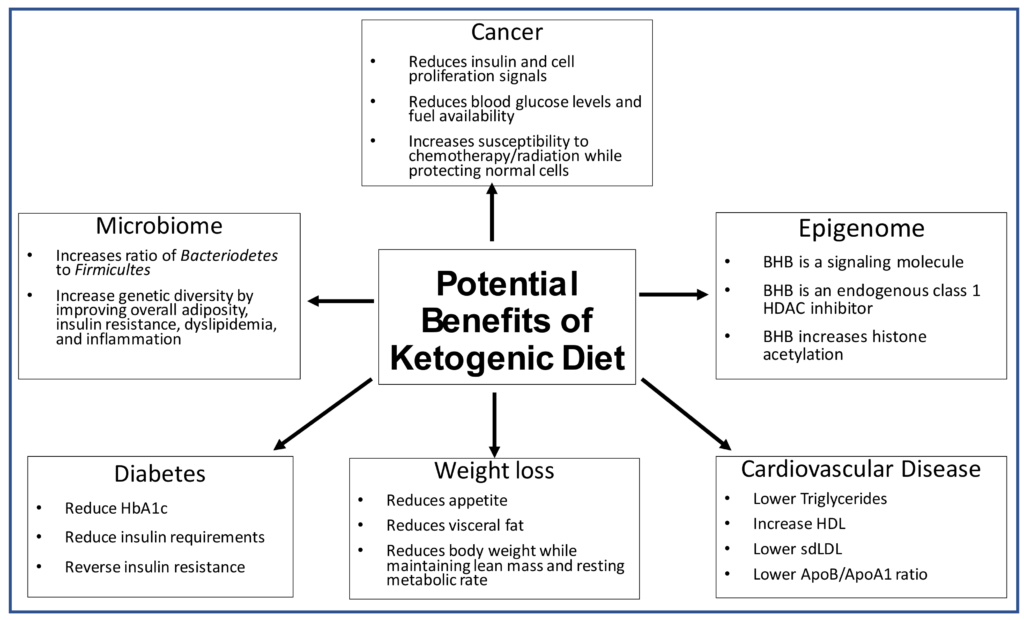
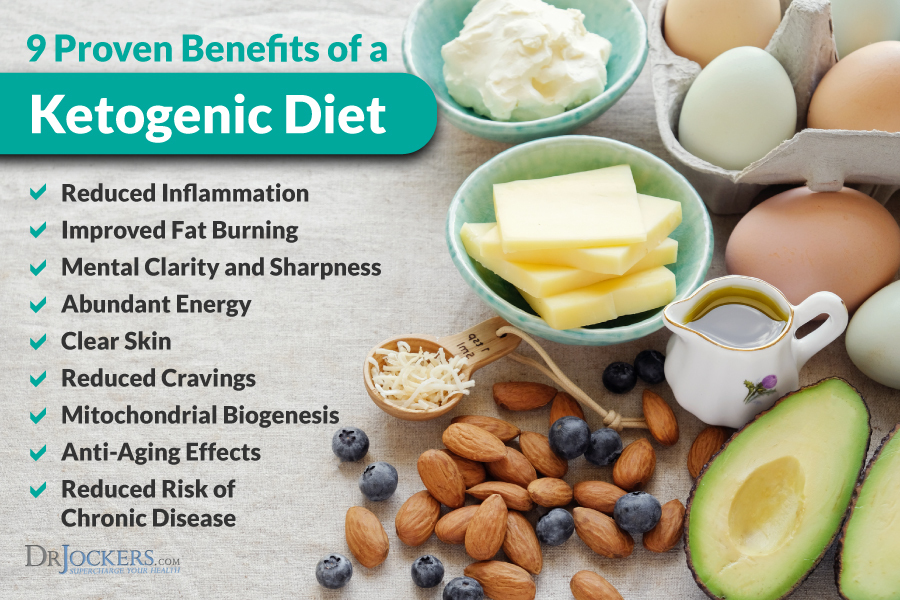
The ketogenic diet has the potential to offer a wide range of health benefits. From weight loss to improved blood sugar control and reduced inflammation, the diet’s unique macronutrient profile can positively impact various aspects of your health.
However, it is important to note that the ketogenic diet may not be suitable for everyone. It requires careful planning and monitoring to ensure proper nutrient intake and minimize potential risks, such as nutrient deficiencies and ketoacidosis.
Additionally, while there is promising research in many areas, more studies are needed to fully understand the long-term effects and potential risks of the ketogenic diet. Therefore, it is always advisable to consult with a healthcare professional before starting any new diet or making significant changes to your current eating pattern.
In conclusion, the ketogenic diet holds promise as a valuable tool for improving health and managing certain conditions. With further research and a comprehensive understanding of its benefits and limitations, the ketogenic diet may become an even more widely recommended dietary approach.
Discover the potential health benefits of the ketogenic diet. From weight loss to improved blood sugar control and reduced inflammation, this diet offers a range of advantages. Learn more here.
