


Vegetarian Diets: A Healthy Choice for Weight Loss and Chronic Disease Prevention
Looking to shed some pounds and prevent chronic diseases? Look no further than vegetarian diets! With their rising popularity, vegetarian diets have been found to lower the risk of chronic illnesses and promote weight loss. There are various types of vegetarian diets, each emphasizing plant-based foods like fruits, vegetables, whole grains, legumes, nuts, and seeds. These diets have shown associations with reduced risks of heart disease, certain cancers, diabetes, and high blood pressure. Incorporating principles such as filling half your plate with non-starchy veggies, incorporating protein at every meal and snack, opting for complex carbs, and watching portions of high-calorie foods can make a vegetarian diet effective for weight loss. Emphasizing nutritious, whole, and unprocessed foods while avoiding highly processed vegetarian options, refined carbs, and sugary foods will set you on the path to success. So why not give vegetarianism a try and reap the many health benefits it has to offer?
Types of Vegetarian Diets
There are several different types of vegetarian diets, each with its own set of guidelines and restrictions. These diets include lacto-ovo-vegetarian, lacto-vegetarian, ovo-vegetarian, vegan, flexitarian, and pescatarian.
-
Lacto-ovo-vegetarian: This is the most common type of vegetarian diet. It includes plant-based foods along with dairy products and eggs. Lacto-ovo-vegetarians do not consume any meat, poultry, or fish.
-
Lacto-vegetarian: This diet is similar to lacto-ovo-vegetarian but excludes eggs. Lacto-vegetarians consume plant-based foods and dairy products, but no eggs or meat.
-
Ovo-vegetarian: Ovo-vegetarians include eggs in their diet along with plant-based foods, but they do not consume dairy products, meat, or fish.
-
Vegan: Vegans follow a strict plant-based diet, excluding all animal products. This means no meat, dairy, eggs, or any other animal-derived ingredients.
-
Flexitarian: Flexitarians primarily follow a plant-based diet but occasionally include small amounts of meat or fish. They focus on plant-based foods but allow for flexibility in their food choices.
-
Pescatarian: Pescatarians include fish and other seafood in their plant-based diet but exclude meat and poultry. They consume plant-based foods along with fish and other seafood.
Benefits of Vegetarian Diets for Chronic Disease Prevention
Vegetarian diets have been associated with several health benefits, particularly in terms of chronic disease prevention. These diets have been found to significantly reduce the risk of heart disease, certain cancers, diabetes, and high blood pressure.
-
Reduced risk of heart disease: A plant-based diet low in saturated fats and cholesterol can help prevent heart disease. Plant foods are rich in fiber, antioxidants, and heart-healthy nutrients that promote cardiovascular health.
-
Reduced risk of certain cancers: Research has shown that vegetarian diets can lower the risk of certain types of cancer, such as colon, breast, and prostate cancer. The high intake of fruits, vegetables, and other plant-based foods provides essential nutrients and antioxidants that help protect against cancer.
-
Reduced risk of diabetes: Vegetarian diets have been found to lower the risk of developing type 2 diabetes. The high fiber content and low glycemic load of plant-based foods help regulate blood sugar levels and improve insulin sensitivity.
-
Reduced risk of high blood pressure: Plant-based diets are naturally low in sodium, which is beneficial in preventing and managing high blood pressure. The abundance of potassium, fiber, and other vital nutrients found in plant foods also contribute to better blood pressure control.
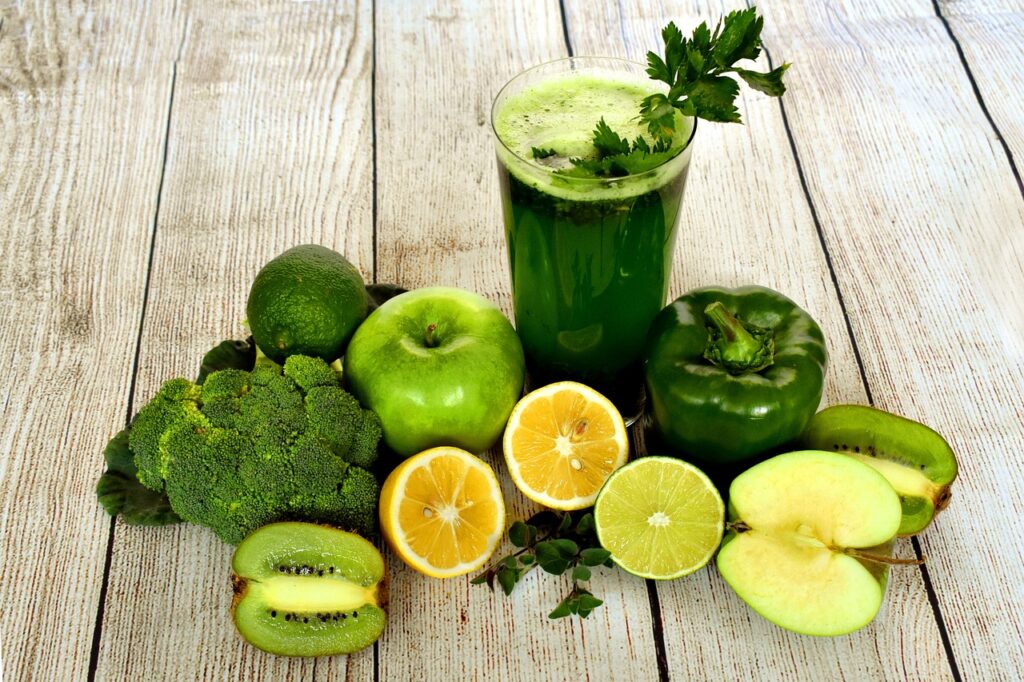
Effectiveness of Vegetarian Diets for Weight Loss
In addition to the numerous health benefits, vegetarian diets have also proven to be effective for weight loss. Many studies have shown that following a plant-based diet can lead to weight loss and weight management.
Plant-based diets tend to be lower in calories and saturated fats compared to diets that include meat and dairy products. The abundant fiber content in fruits, vegetables, whole grains, and legumes helps promote feelings of fullness and satisfaction, contributing to reduced calorie intake.
Moreover, plant-based foods are typically less energy-dense and have a high nutrient density, meaning you can consume a larger volume of food with fewer calories. This can lead to a higher satiety level despite consuming fewer calories, making it easier to maintain a calorie deficit and achieve weight loss.
Barriers to Losing Weight on a Vegetarian Diet
While vegetarian diets can be effective for weight loss, there are certain barriers that individuals may face when trying to shed excess pounds.
-
Eating too many refined carbs: It’s important to be mindful of the quality of carbohydrates consumed on a vegetarian diet. Relying heavily on refined grains like white bread, pasta, and sugary cereals can hinder weight loss efforts. Instead, opt for whole grains like quinoa, brown rice, and whole wheat bread that provide more fiber and nutrients.
-
Overeating calorie-rich foods: While a vegetarian diet can offer a wide range of healthy food options, it’s still possible to overeat high-calorie foods. Nut butters, avocados, and oils, for example, are nutritious but can be dense in calories. Monitoring portion sizes and practicing mindful eating can help prevent overeating.
-
Relying heavily on processed vegetarian foods: Processed vegetarian food products, such as meat substitutes and pre-packaged meals, can be convenient but may not always be the healthiest choices. These foods can be high in sodium, unhealthy fats, and additives. It’s best to focus on whole, unprocessed plant foods for optimal health and weight loss.
Tips for Losing Weight on a Vegetarian Diet
If you’re looking to lose weight on a vegetarian diet, here are some helpful tips to keep in mind:
-
Fill half of your plate with non-starchy vegetables: Non-starchy vegetables are low in calories and high in fiber, making them ideal for weight loss. Fill half your plate with vegetables like leafy greens, broccoli, cauliflower, peppers, and tomatoes.
-
Incorporate protein at every meal and snack: Protein is essential for satiety and muscle maintenance. Include plant-based protein sources such as tofu, tempeh, lentils, beans, chickpeas, quinoa, and Greek yogurt in your meals and snacks.
-
Opt for complex carbs: Choose whole grains like quinoa, brown rice, whole wheat bread, and oats instead of refined grains. Complex carbohydrates provide more fiber and nutrients, helping you feel fuller for longer.
-
Watch portions of high-calorie foods: Be mindful of portion sizes when consuming calorie-dense foods like nuts, seeds, avocados, and oils. While these foods are nutritious, they can contribute to weight gain if consumed in excess.
-
Eat mostly whole, unprocessed foods: Focus on incorporating whole, unprocessed plant foods in your diet. These foods are naturally low in calories and high in nutrients, helping you achieve weight loss and overall better health.
Vegetarian Foods that Aid Weight Loss
If you’re looking to lose weight on a vegetarian diet, there are many nutritious plant-based foods that can support your weight loss goals. Incorporate these foods into your meals and snacks:
-
Non-starchy vegetables: Leafy greens, broccoli, cauliflower, Brussels sprouts, zucchini, and asparagus are all excellent choices. They provide essential nutrients, fiber, and a low calorie density.
-
Starchy vegetables: Sweet potatoes, butternut squash, corn, peas, and beets are satisfying and nutritious options. They provide a good source of healthy carbohydrates to fuel your body.
-
Fruits: Berries, apples, oranges, grapefruit, and melons are low in calories and high in fiber and antioxidants. They make for delicious and healthy snacks or additions to meals.
-
Whole grains: Quinoa, brown rice, whole wheat bread, oats, and barley are rich in fiber and nutrients. They help keep you feeling full and satisfied for longer periods.
-
Beans and legumes: Lentils, chickpeas, black beans, and kidney beans are excellent plant-based protein sources. They are packed with fiber, minerals, and antioxidants.
-
Nuts and seeds: Almonds, walnuts, chia seeds, flaxseeds, and hemp seeds contain healthy fats, protein, and fiber. They can be added to smoothies, salads, or enjoyed as snacks in moderation.
-
Lean proteins: Tofu, tempeh, seitan, and edamame are high in protein and low in fat. They are versatile ingredients that can be used in various dishes.
-
Healthy fats: Avocado, olive oil, coconut oil, and nut butter can provide essential fats while adding flavor to your meals. Remember to consume these in moderation due to their high calorie content.
-
Water and other healthy beverages: Staying hydrated is important for overall health and weight management. Water, herbal teas, and unsweetened beverages like green tea are excellent choices.
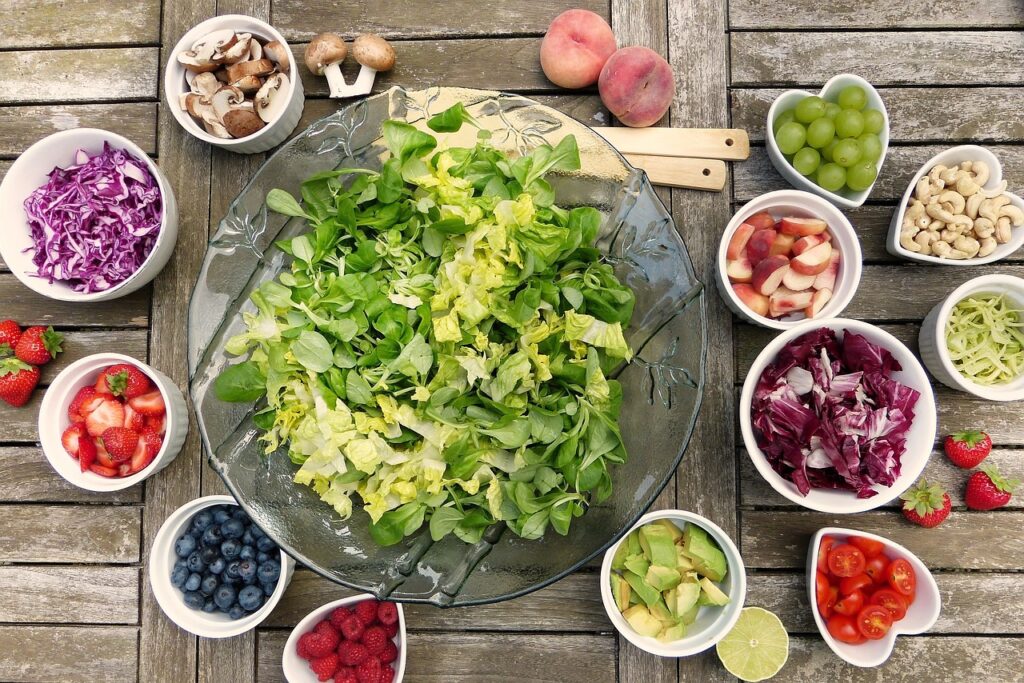
Foods to Avoid on a Vegetarian Diet for Weight Loss
While a vegetarian diet can be beneficial for weight loss, there are certain foods that should be limited or avoided to maximize your results:
-
Highly processed vegetarian foods: Avoid heavily processed meat substitutes, frozen vegetarian meals, and packaged snacks. They can be high in sodium, unhealthy fats, and added sugars.
-
Refined carbs: Limit your consumption of refined grains like white bread, white rice, and pasta. These foods are low in fiber and nutrients, and can spike blood sugar levels.
-
Sugary foods and beverages: Minimize your intake of sugary foods like candy, soda, and desserts. They provide empty calories and can contribute to weight gain.
Sample Vegetarian Meal Plan for Weight Loss
Here’s an example of a vegetarian meal plan for weight loss:
Breakfast: Start your day with a bowl of steel-cut oats topped with sliced apples, cinnamon, and a sprinkle of chia seeds.
Lunch: Enjoy a large salad with mixed greens, cherry tomatoes, cucumber, bell peppers, avocado, hard-boiled eggs, and a drizzle of olive oil and balsamic vinegar.
Dinner: Prepare zucchini noodles (zoodles) with a homemade marinara sauce. Top it with diced tomatoes, basil, and a sprinkle of nutritional yeast for a cheesy flavor.
This sample meal plan provides a good balance of nutrients and includes a variety of plant-based foods to support weight loss while keeping you satisfied.
Importance of Nutritious Plant Foods and Portion Control
While following a vegetarian diet for weight loss, it’s essential to focus on nutritious plant foods and practice portion control.
-
Focus on nutritious plant foods: Choose a variety of fruits, vegetables, whole grains, legumes, nuts, and seeds to ensure you are getting a wide range of essential nutrients. These foods are packed with vitamins, minerals, fiber, and antioxidants that support overall health.
-
Curb portion sizes: Even when consuming healthy foods, portion control is important. Be mindful of your serving sizes to avoid overeating and ensure you are in a calorie deficit for weight loss.
-
Limit intake of calorie-rich, refined, and processed foods: While some processed foods may be convenient, they are often high in calories, unhealthy fats, and added sugars. These foods can hinder weight loss efforts. Focus on whole, unprocessed foods to maximize nutrition and minimize empty calories.
By incorporating these principles into your vegetarian weight loss diet, you can achieve sustainable weight loss while maintaining good overall health. Remember to listen to your body, make gradual changes, and enjoy the journey towards a healthier you.
Discover the health benefits of vegetarian diets for weight loss and chronic disease prevention. Learn about different types of vegetarian diets and get tips for effective weight loss.
